



الصفحة 1
الصفحة 1

The medical activity of salvadora persica
The human mouth is inhabited from birth by many types and numbers of microbes that are both beneficial and harmful to the health of the mouth and teeth. Either. Multiple factors in the oral environment contribute to the multiplication and diversity of microbes, including in particular the regularity of natural teeth. The cleanliness and maintenance of artificial dentures, the amount of integrity and vitality of gum tissue and ligaments around the age, as well as an important factor relates to food quality. In the mouth, saliva deposits protein-sugar compounds that form thin, transparent layers called pellicle. The surfaces of the teeth (enamels), which helps the oral microbes to adhere to these layers and thus multiply and accumulate in large quantities and in the form of thin organic layers known as microbial dental plaque on the surfaces of the teeth, above and below edge of the gum. It is scientifically proven that if the teeth are not cleaned well or regularly daily and if the accumulation of plaque continues.

Questions and answers in oral health education
prepares students for the National Examining Board for Dental Nurses (NEBDN) Certificate in Oral Health. Written by a dental tutor and course administrator, as well as a certified NEBDN examiner, this revision guide includes tips and techniques to help students with the test. It also includes examples of mock examination questions along with answers and explanations to further students’ understanding of the material contained within. Presented in question-and-answer format to aid with retention and learning, Questions and Answers in Oral Health Education contains the most up-to-date regulations, policies, and oral health guidance. Full of useful information to better cater to each student’s unique style of learning, it features: An introduction to the exam process and exam structure, including the style of questions a test-taker is likely to see: A discussion of legislation and General Dental Council standards and guidance / A summary of the material contained within the book along with website links for further, supplementary study / Treatments of a wide variety of topics, including plaque, sugars, erosion, fluoride, and more

Oral health in people with disabilities
Aims to collect and present the state of evidence in the field of oral health as it pertains to people living with disabilities. This is evidenced by the recommendation of the General Dental Council (UK) that Special Care Dentistry, which seeks to improve the oral health of people and societal groups with disability, is to be recognized as a separate specialty in 2005. A dedicated collection of the current state of evidence will be of help to students and practicing dentists as well as medical practitioners and caregivers to emphasize the importance and application of oral health maintenance in such individuals.

Oral Health and Herbal Medicine
Oral health loss is one of the major problems existing all over the world and is one of the top causes of death when unmanaged. The oral cavity is home to numerous pathogenic microorganisms, some of which are responsible for the progression and development of various systemic diseases such as cancer, diabetes and myocardial infarction. Worldwide, 60–90% of school children and nearly 100% of adults have dental cavities, often leading to pain and discomfort. There are implications for the global economy as well, due to the continuous burden of investing resources to maintain oral hygiene. Not surprisingly, developing countries are disproportionally affected. There is thus an urgent need to develop economical solutions for the treatment of oral diseases.

Innovations in preventive dentistry
Preventive dentistry is a constantly changing and developing field: As new research emerges, some practices that had once been revolutionary are abandoned, while others continue to withstand the test of time. This book discusses new developments and innovations in preventive dentistry, from primary prevention to secondary prevention by inactivating initial lesions, and on to tertiary prevention to avoid subsequent progression and complications of manifest oral disease. The book relies on a solid evidence base and instructs readers how this can be translated into clinical dental practice—what changes should be made to how we practice and why they should be made. Topics include caries and periodontal disease, orthodontic problems, diagnostic approaches, diet and oral health, oral hygiene, oral disease patterns, caries treatment, fluoride guidelines, risk management, sealants, and probiotics.

Early Childhood Oral Health
Addresses the biology and epidemiology of caries, the clinical management of early childhood caries, risk assessment, and early diagnosis. Other topics include public health approaches to managing caries worldwide, implementation of new caries prevention programs, fluoride regimens, and community programs, and family oral health education. Brand new are four chapters on the medical management of early childhood caries, considerations for children with special needs, interprofessional education and practice, and how the newest policy issues and the Affordable Care Act affect dental care.

Dental care and oral health sourcebook : Health reference series
Provides basic consumer health information about dental hygiene, preventive care, and oral health concerns for children and adults, with facts about surgical, orthodontic, and cosmetic dental procedures, and diseases of the mouth and jaw. Includes index, glossary of related terms, and other resources

Current techniques and materials in dentistry
Dental implants are one of the most interesting dental treatments. PEEK (polyetheretherketone) has recently been reported as a further innovation in polymer implant materials, although it has not yet met the requirements to be a biomechanical requirement. In the placement of mini-screws used in orthodontic treatments, micro-cracks caused by overtorquing in thick and hard bone, and the consequent heat production, can reduce the success rate. Computer-aided design/computer-aided manufacturing (CAD/CAM) techniques are becoming increasingly popular. Since complete dentures can be produced using an additive (3D printing) or subtractive (milling) process, CAD/CAM techniques for denture fabrication have many clinical and laboratory advantages.
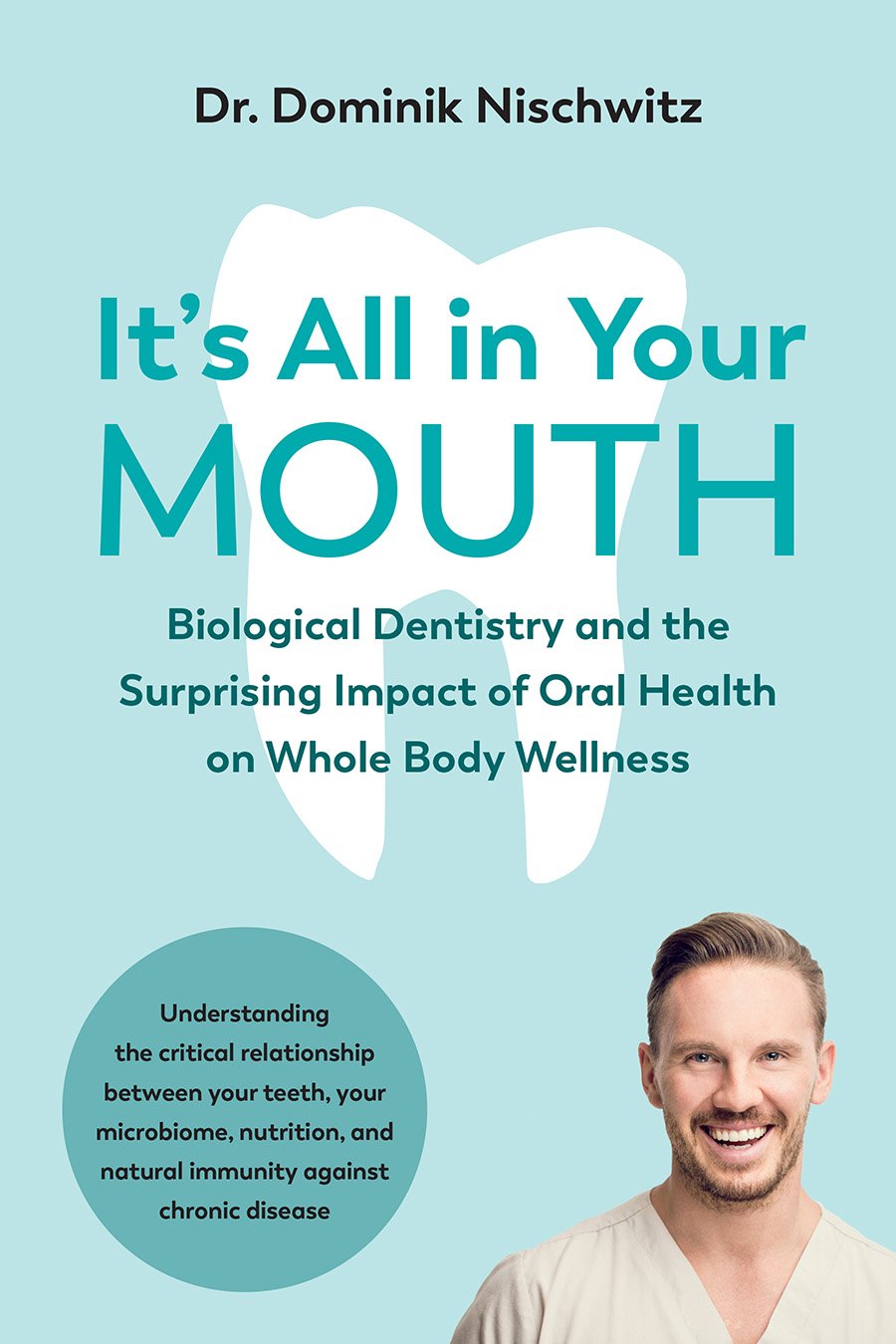
It’s all in your mouth biological dentistry and the surprising impact of oral health on whole body wellness
Pesents the principles of biological dentistry along with emerging scientific research on the mouth’s vital role in the body’s microbiome—a key to whole body wellness. Challenging conventional dental wisdom that views the teeth as separate from the rest of the body, and conventional dental practices that often cause more harm than good. Offers a necessary new approach to natural immunity to chronic disease and integrating dental hygiene into whole body health.
