



الصفحة 1
الصفحة 1

Neuronal cell death : Methods and protocols
Covers comprehensive methods on ways to assess structural and ultrastructural changes in the mitochondria, cytoskeleton, and microglia using state-of-the-art microscopy techniques including super-resolution imaging, electron microscopy, and ultra-high field MRI. The chapters in this book cover topics such as analysis of neurodegeneration in the post-mortem characterization of preclinical animal models, in vivo modeling in cell death in different model systems and brain organoids, single cell clonal analysis using Mosaic Analysis with Double Markers in genetic mouse models, and genome and proteomic methods for analysis of mRNA dynamics and quantitation of targeted peptides.

Neurodegeneration in Multiple Sclerosis
In multiple sclerosis (MS), conventional magnetic resonance imaging (cMRI) has proved to be a valuable tool to increase diagnostic reliability and to monitor the efficacy of experimental treatment. However, cMRI has limited specificity and accuracy as to the most disabling aspects of the MS pathology, known to occur in and outside macroscopic lesions. Modern quantitative MR techniques have the potential to overcome the limitations of cMRI, and their application is dramatically changing our understanding of how MS causes irreversible disability.

Neurodegeneration and Prion Disease
This volume provides an in-depth overview from world experts on prion disease. These fatal diseases include Creutzfeldt-Jakob disease, chronic wasting disease in deer, scrapie of sheep, bovine spongiform encephalopathy (mad cow’s disease) of cattle and related diseases. Understanding what causes neuronal death in these diseases is essential to both preventing and curing them. The most recent advances in understanding neuronal death in prion diseases are presented. Prion diseases serve as an experimental model for all neurodegenerative conditions. This book will provide understanding of neurodegeneration and provide an up-to-date record of the state of the art for other specialists and non-specialists in related fields.

Neuroactive Steroids in Brain Function, Behavior and Neuropsychiatric Disorders : Novel Strategies for Research and Treatment
Over the past few decades the involvement of neurosteroids in brain function and mental health has attracted much interest, not only from a neuroscience perspective, but also from clinical and therapeutic aspects. In recent years, much of the research has focused on the multifunctional position of neurosteroids in the nervous system. The areas that have been explored, in particular, are the cellular and molecular mechanisms involved in the activity of neurosteroids in the brain, the role of neurosteroids in brain development, neurodegeneration and neuroplasticity, and their pharmacological properties. The large increase in the number of publications highlights this amplified interest in neurosteroids. Over the last 7 years at least 400 papers have been published describing the putative role of neurosteroids in the modulation of basic brain function and in the etiology and treatment of psychiatric and neurological disorders.

Neuroacanthocytosis Syndromes II
Awareness of neuroacanthocytosis disorders has increased significantly in recent years. There have been a number of important developments in the field since the publication of the first volume, Neuroacanthocytosis Syndromes. This book contains the latest research in this area. Recent advances have identified the range of mutations in the causative genes, shedding light on potential phenotypegenotype correlations. Studies of the proteins affected in these disorders have resulted in increased understanding of their functions and distribution. In vitro studies have identified potential protein interactions, which have important implications for pathophysiology. Work on erythrocyte membranes suggests mechanisms for the generation of acanthocytes. Animal models are being generated which will greatly facilitate understanding the role of gene mutations in humans, and provide the foundation for possible therapeutic interventions. In addition, advances in other neurodegenerative disorders, such as Huntington’s and Parkinson’s diseases, have implications for neuroacanthocytosis.

Metabolism and Functions of Bioactive Ether Lipids in the Brain
This book will be particularly useful to neuroscience graduate students, academics, and researchers. Clinicians will find this book useful for understanding molecular aspects of neurodegeneration in acute neural trauma and neurodegenerative diseases that are mediated by plamalogen-selective phospholipases A2 and PAF acetyl hydrolases. This monograph is the first to provide a comprehensive description of not only metabolism and role of plasmalogen and platelet activating factor in brain tissue but also the involvement of these lipids with abnormal signal transduction processes in neurological disorders.

Intermittent fasting
The potential benefits of intermittent fasting are not limited to weight loss and weight management. Recent studies have shed light on its role in adaptive cellular responses that reduce oxidative damage and inflammation, optimize energy metabolism and bolster cellular protection. By reprogramming metabolic and stress resistance pathways, intermittent fasting has the possible ability to increase longevity and reduce aging. Studies on animals have given promising result that show how intermittent fasting help prevent and treat diseases like diabetes, cancers, heart disease and neurodegeneration. Major mechanisms hypothesized to link fasting regimens with human health: circadian biology and the gastrointestinal microbiota.

Glycerophospholipids in brain : Phospholipases A2 in Neurological Disorders
This unique volume will be invaluable not only to those interested in biochemical properties of phospholipases A2, but also their involvement in neurological disorders. Students will benefit from it as a supplement for a range of neuroscience courses. Clinicians will find it invaluable as well for understanding molecular aspects of neurodegeneration in acute neural trauma (stroke) and neurodegenerative diseases (Alzheimer disease) that are mediated by phospholipases A2.

Genotype - Proteotype - Phenotype Relationships in Neurodegenerative Diseases
Improved understanding of role of protein dysmetabolism in neurodegeneration promises to improve diagnoses, facilitate the development of biological markers relevant to disease pathophysiology, and provide tractable therapeutic targets. This Fondation IPSEN conference summary provides an update on the latest advances of the role of protein misfolding in the pathophysiology of neurodegenerative diseases.

Drug discovery and GBCR – Related CNS Disorders
Neurodegenerative diseases are a large group of neurological disorders with diverse etiological and pathological phenomena. However, current therapeutics rely mostly on symptomatic relief while failing to target the underlying disease pathobiology. G-protein-coupled receptors (GPCRs) are one of the most frequently targeted receptors for developing novel therapeutics for central nervous system (CNS) disorders. Many currently available antipsychotic therapeutics also act as either antagonists or agonists of different GPCRs. Therefore, GPCR-based drug development is spreading widely to regulate neurodegeneration and associated cognitive deficits through the modulation of canonical and noncanonical signals.
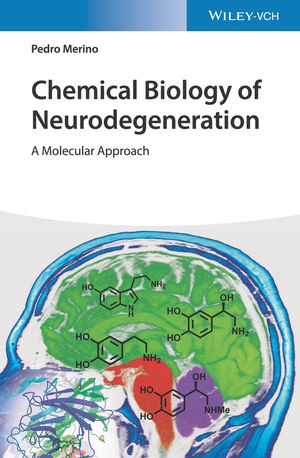
Chemical Biology of Neurodegeneration : A Molecular Approach
This book focuses on the main actors involved in neurodegenerative disorders at a molecular level, and places special emphasis on structural aspects and modes of action. Drawing on recent data on enzyme structure, mode of action, and inhibitor design, it describes?from a biochemical point of view?the six most important neurotransmitter systems and their constituent enzymes and receptors. Misfolding and aggregation of proteins within the brain is also covered.
Bioimaging in Neurodegeneration
offers both the physician and researcher a critical survey of the best new technologies for studying neurodegeneration, as well as describing their optimal use in the diagnosis and treatment of specific neurodegenerative diseases
