


تحسين النتائح
ترتيب حسب
من
الى


The book describes the major physical theories of comets in the past two millennia. It demonstrates the evolution of ideas about the nature, position, motion and physical constitution of comets from Aristotle to Whipple. Unlike the available works on the history of comets, which either illustrate relatively short periods in the history of physical cometology or portray a landscape view without adequate details, the present study focuses on details of each theory. It also investigates the interaction between observational and mathematical astronomy, and the physical sciences in defining the properties of comets.
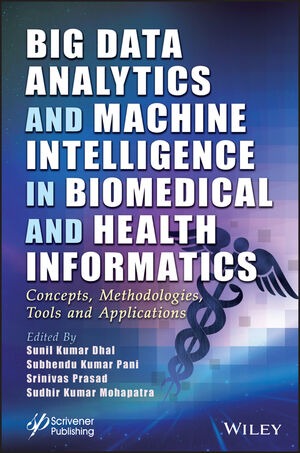
Provides coverage of developments and state-of-the-art methods in the broad and diversified data analytics field and applicable areas such as big data analytics, data mining, and machine intelligence in biomedical and health informatics. Covers the latest advances and developments in health informatics, data mining, machine learning, and artificial intelligence. They have been organized with respect to the similarity of topics addressed, ranging from issues pertaining to the Internet of Things (IoT) for biomedical engineering and health informatics, computational intelligence for medical data processing, and Internet of Medical Things??(IoMT).
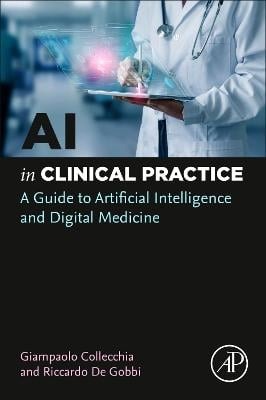
Explains how artificial intelligence is applied to medicine, illustrating not only its enormous potential but also ancillary issues and the limits and risks inherent in its use on a large scale. The book focuses on the intersection between medicine and AI and its implications on the impact of human health care delivery. Topics discussed include wearable devices, health data, Internet of Things, virtual reality, robotic assistance system, and digital intelligence in the health sector. Additionally, sections discuss diagnostics and decision-making systems and machine/deep learning in clinical setting.
designed to be read section by section in the order in which it is presented. I would then recommend a re-reading of the first section so that the tenets laid down in this area are more readily understood after having experienced the tech nical presentations. The serious student will then utilize the book as an atlas of techniques that can be conveniently referenced when needed in any particular situation. All surgeons should then use any new information as a beginning plat form of information from which to develop and refine their own experience, col lecting and analyzing their own personal library of techniques, as they advance though this most wonderful and satisfying Discipline.

Although primarily used today as one of the most prevalent illicit leisure drugs, the use of Cannabis sativa L., commonly referred to as marijuana, for medicinal purposes has been reported for more than 5000 years. Marijuana use has been shown to create numerous health problems, and, consequently, the expanding use beyond medical purposes into recreational use (abuse) resulted in control of the drug through international treaties. Much research has been carried out over the past few decades following the identification of the chemical structure of THC.The purpose of Marijuana and the Cannabinoids is to present in a single volume the comprehensive knowledge and experience of renowned researchers and scientists. Each chapter is written independently by an expert in his/her field of endeavor, ranging from the botany, the constituents, the chemistry and pharmacokinetics, the effects and consequences of illicit use on the human body, to the therapeutic potential of the cannabinoids.
لThe text is logically organized and key information is easily accessible. The introductory section offers the reader important background and rationale for evaluating and treating addiction in primary care. Following a useful presentation of addiction "basics" (i.e., definitions, neurobiology, genetics, and the disease model), the majority of the book focuses on helping the physician gain insight and develop practical skills that can be readily implemented. A wealth of clinical assessment tools is provided, and the underlying psychosocial processes common to all forms of addiction are discussed. Both pharmacologic interventions and nonpharmalogic modalities are clearly outlined. Of particular note are specific cognitive-behavioral and motivational strategies that can be administered in an office-based setting. The role of community-based recovery support systems is considered as well. Since a complete understanding of why and when to refer is critical to the management of this often life-threatening condition, criteria for referral are detailed. Bulleted clinical "pearls" further aid the reader in gaining insight into treating this difficult patient population.
Management of Prader-Willi Syndrome brings together the contributions of professionals with considerable expertise in diagnosis and management of PWS. Clinical, social, family, and community issues are explored and management strategies identified. The text presents historical, medical, and genetic information to orient the reader. The major portion deals with pragmatic guidelines, rather than research and diagnosis, and is directed to health and educational specialists in academic, clinical, and community settings. This manual is endorsed by The Prader-Willi Syndrome Association, which is recognized world-wide.
(Review from JAMA) Malignant mesothelioma is an uncommon neoplasm usually associated with exposure to asbestos. Because of its low incidence, thorough reviews of the topic are hard to find. Harvey Pass and colleagues have edited an up-to-date, comprehensive book that includes a wide range of information, from a historical perspective to descriptions of the latest treatment. The authors . . . have written chapters on the carcinogenesis, molecular genetics, and clinical aspects of mesothelioma. Malignant Mesothelioma is suitable for a broad audience. Laboratory researchers will use it as a resource for information about the pathogenesis, animal models, molecular genetics, and cell lines of mesothelioma. . . . Clinicians will benefit from this complete guide to the presentation, prognosis, imaging, and treatment of the disease. I highly recommend this book to all who are interested in mesothelioma.
This volume brings some of the worlds best investigators to describe recent advances in both the scientific and clinical aspects of malaria, and bridges between the two. The opening chapters discuss antimalarials and resistance to them in Africa and Asia. Then there are reviews of the different clinical manifestations of malaria, ranging from uncomplicated infections to severe disease and its complications.

This book describes marked advances in imaging technology that have enabled the visualization of phenomena in ways formerly believed to be completely impossible. These technologies have made major contributions to the elucidation of the pathology of diseases as well as to their diagnosis and therapy.
Recent developments in the research on magnetotactic bacteria are presented in this volume. Included are reviews on the formation and organization of magnetosomes, the genes controlling magnetosome biomineralization, and new cryogenic techniques to visualize novel cytoskeleton structures. Described here are potential nanobiotechnological applications of the magnetosome crystals, which have magnetic and crystalline characteristics unmatched by their inorganic counterparts.
Provides a comprehensive overview of both the physics and the clinical applications of MRI, including practical guidelines for imaging. The authors define the importance of MRI in the diagnosis of several disease groups in comparison or combination with other methods.
The book has been extensively revised and expanded to do justice to the rapid advances in MR technology, molecular biochemistry, and genetics and the discovery of new disease entities with prominent white matter involvement. Forty chapters have been added, and the number of illustrations has risen considerably. The ability to confirm the presence of genetic alterations in a number of disorders allows more advantageous presentation of the phenotypic variation as expressed in differ.
Though magnetic resonance imaging has helped revolutionize the field of orthopedic medicine, a difference in perspective persists between radiology and orthopedic specialists. Magnetic Resonance Imaging in Orthopedic Sports Medicine is an interdisciplinary resource designed to bridge this gap.
The imaging of stroke has undergone significant changes owing to the rapid progress in imaging technology. This volume, comprising three parts, is designed to provide a comprehensive summary of the current role of MR imaging in patients with ischemic stroke. The first part outlines the clinical presentations of stroke and discusses the diagnostic efficacy and therapeutic impact of MR imaging. The second and third parts form the core of the volume, and are based on a novel approach in that the topic is presented from two very different viewpoints. Part 2 provides a detailed presentation of the distinguishing features of stroke from the radiologist's perspective. By contrast, part 3 addresses the needs of the clinician, documenting specific stroke syndromes and their correlates on MR imaging. The overall aim has been to create a well-illustrated volume with broad appeal that links pathology, radiology and stroke medicine in an informative manner.
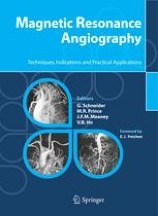
The advent of contrast-enhanced MRA in the early to mid 1990s revolutionized the clinical approach to vascular imaging: an accurate non-invasive imaging modality, not requiring ionizing radiation or potentially nephrotoxic iodinated contrast media, was able to compete with the more hazardous and invasive catheter angiography. Today, MRA is a safe, easy-to-perform procedure routinely used in most imaging centers, and the continued development of faster, more powerful magnets and more effective contrast agents is increasingly helping to overcome many of the early limitations of the technique.
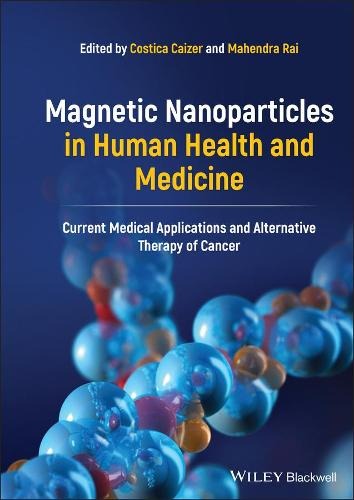
Progress in improving diagnosis by magnetic resonance imaging (MRI) and using non-invasive and non-toxic magnetic nanoparticles for targeted drug delivery. Focusing on cancer diagnosis and therapy, the book covers both fundamental principles and advanced theoretical and experimental research on the magnetic properties, biocompatibilization, biofunctionalization, and application of magnetic nanoparticles in nanobiotechnology and nanomedicine.
Macular Degeneration: Science and Medicine in Practice provides a unique overview of current thinking in the pathogenesis, incidence and treatment of AMD. It includes, for the first time, a synthesis of the views of the world's leading scientists and practitioners regarding retinal biology, basic mechanisms, clinical and pathogenetic processes, and rational approaches to intervention.
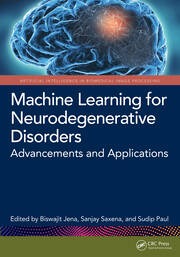
Explores the application of machine learning to the understanding, early diagnosis, and management of neurodegenerative disorders. With a specific focus on its role in ongoing clinical trials, the book covers essential topics such as data collection, pre-processing, feature extraction, model development, and validation techniques. It delves into the applications of neuroimaging techniques like magnetic resonance imaging (MRI), computed tomography (CT), and positron emission tomography (PET) in the diagnosis and understanding of neurodegenerative disorders. Additionally, the book examines various machine-learning algorithms employed for biomarker discovery in neurodegenerative disorders. It highlights the role of neuroinformatics and big data analysis in advancing the understanding and management of neurodegenerative disorders. Furthermore, the book reviews future prospects and presents the ethical considerations and regulatory challenges associated with implementing machine learning approaches in the diagnosis, treatment, and prevention of neurodegenerative disorders.

This book is dedicated to patients affected by Lysosomal Storage Disorders, and especially to the National Gaucher Foundation (USA) and the Colombian Association of Patients with Lysosomal Storage Diseases (ACOPEL for its Spanish Acronym). Both organizations will share in the sales of this book.

سوريا - اتستراد درعا - غباغب
+963-15 2050 - 15 860 380 /1/2/3 - 11 662 3900