


تحسين النتائح
ترتيب حسب
من
الى

In this seminal manuscript the - thor described a new imaging technique which moved the single dimension of NMR spectroscopy to the dual dimension of spatial orientation, thereby resulting in the foundation of modern magnetic re- nance (MR) imaging. Over the ensuing years, MR imaging has assumed an increasingly important role in clinical imaging. It distinguishes itself from other imaging modalities, such as ultrasound (US) or computed tomography (CT), by the unique ability to visualize specific tissue components in a non-- vasive manner. In the earlier days, diagnostic MR imaging was limited to cerebral and musculoskeletal diseases. - aging of other areas which are more prone to movement through breathing (abdominal) or pulsation motions (cardiac) became available more recently, with the introduction of faster sequences and the - velopment of more dedicated MR imaging coils.
This book is a companion text to Orthopedic Rehabilitation, Assessment, and Enablement by the same author, but can be used independently.
The auricle is a privileged place to observe and treat patients reflexively. It is endowed with both a particularly rich innervation, and brief connections with the higher nervous centers. It constitutes both a reading pavilion, to observe information coming from the organs and nerve endings of the skin, and a control pavilion to help correct abnormal information. It is a lookout post, placed bypassing the brainstem, on the path connecting the organs and the brain. It thus allows a fair control and an effective intervention. In this medical treatise on Auriculotherapy, historical and scientific data, medical explanations and bibliographical references are presented.
he atlas contains over 400 specially created black and white illustrations describing the anatomical extent of the malignant tumor in the primary site (T), regional lymph nodes (N) and distant metastases (M) for various sites, including the head and neck area, the digestive system, the thorax, the musculoskeletal system, the soft tissues, the breast, the urinary system and the genital system. Each illustration provides precise and detailed descriptions designed to clarify the crucial anatomical structures and to provide the reader with an immediate view of the progressive extension of the disease. The most important anatomical structures are identified by specific definitions.
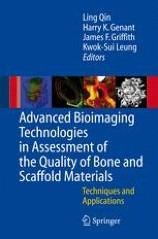
This book provides a perspective on the current status of bioimaging technologies developed to assess the quality of musculoskeletal tissue with an emphasis on bone and cartilage. It offers evaluations of scaffold biomaterials developed for enhancing the repair of musculoskeletal tissues. These bioimaging techniques include micro-CT, nano-CT, pQCT/QCT, MRI, and ultrasound, which provide not only 2-D and 3-D images of the related organs or tissues, but also quantifications of the relevant parameters. The advance bioimaging technologies developed for the above applications are also extended by incorporating imaging contrast-enhancement materials.
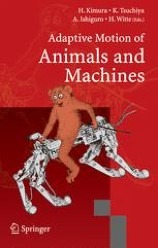
Apparently, the ability of animals and robots to adapt in a real world cannot be explained or realized by one single function in a control system and mechanism. That is, adaptation in motion is induced at every level from the central nervous system to the musculoskeletal system.Thus,weorganized the International Symposium on Adaptive Motion in Animals and Machines (AMAM) forscientist sandengineersconcerned with adaptation on various level stobebrought together todiscussprinciplesateachleveland to investigate principles governing total systems.
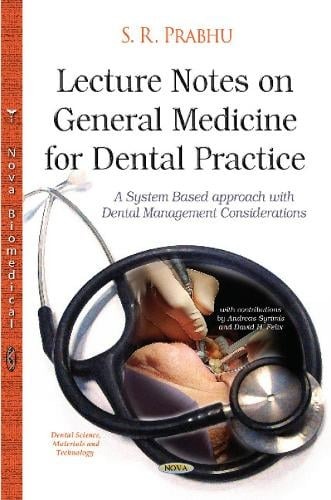
Offers a system based approach covering a broad range of topics in general medicine for dental practice. The book includes chapters on history taking and patient interview, general physical examination, system specific examination, common health related complaints, systemic infections, and diseases of the gastrointestinal, cardiovascular, respiratory, neurological, immunological, renal, endocrinal, dermatological and musculoskeletal systems. Nutritional disorders, psychiatric disorders, the female patient with menstrual, menopause and pregnancy related disorders, dental management of patients taking medications for systemic conditions and medical emergencies in dental practice have also been discussed in some detail.

سوريا - اتستراد درعا - غباغب
+963-15 2050 - 15 860 380 /1/2/3 - 11 662 3900