


تحسين النتائح
ترتيب حسب
من
الى


The development of modern architecture in Korea and, more recently, South Korea, is closely tied to the country’s dramatic transformations since the late 19th century.The architectural analyses, ranging from Hwaseong Fortress to 21st-century constructions like Paju Book City, Ssamziegil Shopping Center, the Boutique Monaco skyscraper, and the Bauzium Sculpture Museum, focus on buildings in which the formation of a specifically Korean modernism is particularly observable. The appendix includes biographical descriptions of major architectural figures.
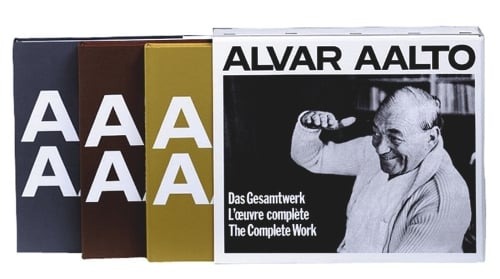
Aalto's designs encompassed the fields of painting, architecture, sculpture, and furniture, and are some of the most beautiful and original of modern times. His combination of an interest in natural, organic shapes with the modernist mandates of form and light in its purest aspects makes him one of the acknowledged masters of modern architecture, along with Le Corbusier and Frank Lloyd Wright.
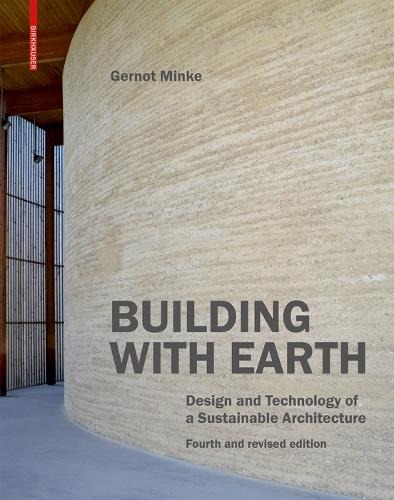
Offers a practical systematic overview of the many uses of earth and techniques for processing it. Its properties and physical characteristics are described in informed and knowledgeable detail. The presentation reflects the rich and varied experiences gained over thirty years of building earth structures all over the world. Numerous photographs of construction sites and drawings show the concrete execution of earth architecture. Documentation of 30 international earth buildings. The characteristics of the building material earth and its applications in modern architecture
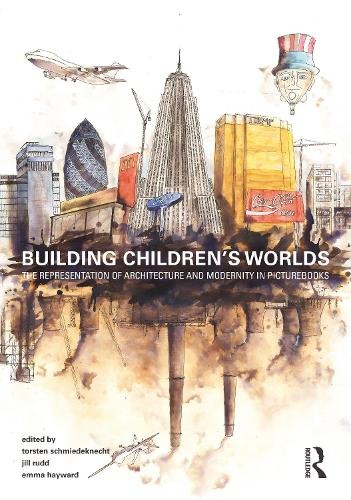
Children are the future architects, clients and users of our buildings. The kinds of architectural worlds they are exposed to in picturebooks during their formative years may be assumed to influence how they regard such architecture as adults. Contemporary urban environments the world over represent the various stages of modernism in architecture. This book reads that history through picturebooks and considers the kinds of national identities and histories they construct. Reveals what stories are told about modern architecture and shows how those stories affect future attitudes towards and expectations of the built environment.

سوريا - اتستراد درعا - غباغب
+963-15 2050 - 15 860 380 /1/2/3 - 11 662 3900