



الصفحة 1
الصفحة 1

Obstetric life support manual
A comprehensive review in normal and abnormal pregnancy physiology, the most common etiologies of maternal medical emergencies, recognition of maternal deterioration and pending cardiopulmonary arrest, modifications to cardiopulmonary resuscitation in pregnant and postpartum patients, special procedures that can assist in diagnosing and treating maternal medical emergencies tailored to the setting (e.g., point-of-care ultrasound, resuscitative cesarean delivery, extracorporeal cardiopulmonary resuscitation), treatment of trauma/stroke in pregnancy, and postpartum maternal medical emergencies. There are streamlined algorithms and cognitive aids designed to improve a team’s ability to successfully implement techniques unique to treating maternal medical emergencies and car..
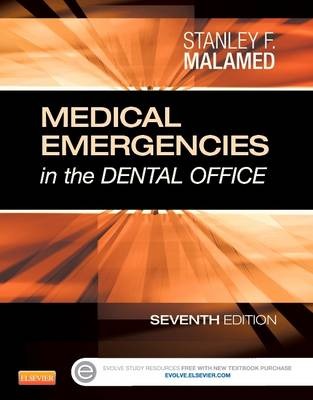
Medical Emergencies in the Dental Office
Prepares dental professionals to promptly and proactively recognize and manage medical emergencies that may occur in the dental office. It details how to anticipate potential emergencies and what resources must be on hand to deal effectively with these situations. The book is arranged in eight sections concentrating on topics such as prevention of emergencies through patient evaluation (medical history) and specific types of more common emergencies that practitioners may encounter. "It successfully fulfils its aim of stimulating all members of the dental team to improve and maintain their skills in the effective prevention, recognition and management of medical emergencies.
Medical emergencies in dental practice
Practitioners and their entire dental staff must be ready to confront medical emergencies that may arise during treatment with sufficient medical knowledge to initiate appropriate primary treatment. This accessible manual addresses the most common medical emergencies encountered during dental treatment. Step-by-step treatment guidelines and decision-making algorithms outline the steps for immediate treatment and make this practical book an essential office manual.
General Medicine and Surgery for Dental Practitioners
Aimed at the practising clinician provides a welcome detailed overview of the medical and surgical conditions that affect patients seen in everyday dental practice.
Contemporary dental pharmacology : Evidence-based considerations ; 2nd ed.
Aims to equip practitioners with a sound understanding of both the scientific evidence for various interventions and the comparative efficacy of those interventions. The focus is on the drugs most commonly used in conjunction with dental treatment, including local anesthetics, analgesics, antibiotics, sedatives, and drugs for the management of medical emergencies. Summaries of the scientific evidence from the available published literature are provided, with assessment of the level and quality of the evidence base.

Contemporary dental pharmacology : Evidence-based considerations ; 1st ed.
This book on current approaches to the use of drugs in dentistry aims to equip practitioners with a sound understanding of both the scientific evidence for various interventions and the comparative efficacy of those interventions. The focus is on the drugs most commonly used in conjunction with dental treatment, including local anesthetics, analgesics, antibiotics, sedatives, and drugs for the management of medical emergencies.
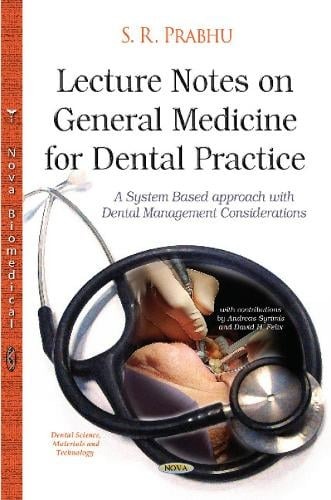
Lecture Notes on General Medicine for Dental Practice : A System based Approach with Dental Management Considerations
Offers a system based approach covering a broad range of topics in general medicine for dental practice. The book includes chapters on history taking and patient interview, general physical examination, system specific examination, common health related complaints, systemic infections, and diseases of the gastrointestinal, cardiovascular, respiratory, neurological, immunological, renal, endocrinal, dermatological and musculoskeletal systems. Nutritional disorders, psychiatric disorders, the female patient with menstrual, menopause and pregnancy related disorders, dental management of patients taking medications for systemic conditions and medical emergencies in dental practice have also been discussed in some detail.
Common complications in endodontics : Prevention and management
Describes the most commonly encountered endodontic complications and provides up-to-date information on their prevention and management. The opening chapters explain the importance of accurate diagnosis and treatment planning, outline the role of digital radiography and CBCT in managing complications, and highlight the need for close attention to anatomic landmarks in order to avoid damage to neurovascular anatomy. Endodontic problems associated with different procedural errors are then discussed in detail, covering a wide variety of access- and instrumentation-related complications and the difficulties that may arise when using obturation techniques. Readers will also find information on the endodontic–periodontal relationship, special issues in geriatric patients, and the potential medical emergencies and precautions in specific patient subsets.

Clinical dental pharmacology
Quick reference for drugs relevant to clinical dentistry. It delivers an essential reference for dental practitioners seeking quick, easy access to current and accurate information about drugs used by dentists in clinical practice. The book covers common drugs prescribed by dental practitioners as well as systemic medications which may impact on provision of clinical dental care. A separate section on recognition and management common medical emergencies in dental practice is also included.
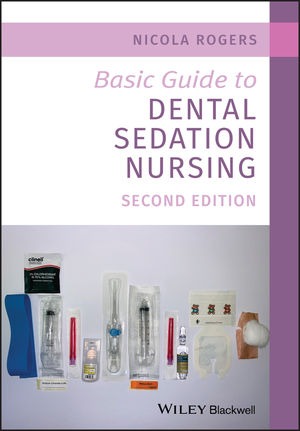
Basic guide to dental sedation nursing ; 2nd ed.
Starts by defining conscious sedation and discusses why dental sedation is used before moving on to discuss topics such as the medico-legal aspects, the dental nurse’s role, equipment, patient selection, types of sedation, medical emergencies, and anatomy. Presents essential evidence-based information on dental sedation nursing / Reflects the current NEBDN curriculum / Supported by images to demonstrate the concepts discussed
100 cases in acute medicine
A succinct summary of the patient's history, examination and initial investigations, including photographs where relevant, is followed by questions on the diagnosis and management of each case. The answer includes a detailed discussion on each topic, with further illustration where appropriate, providing an essential revision aid as well as a practical guide for students and junior doctors. Making clinical decisions and choosing the best course of action is one of the most challenging and difficult parts of training to become a doctor. Fully revised and updated for this second edition, these cases will teach students and junior doctors to recognize important clinical symptoms and signs, and to develop their diagnostic and management skills.
