


تحسين النتائح
ترتيب حسب
من
الى


This book reports the status of the art of the community more diseases of the respiratory apparatus. The first part is dedicated to the anatomy of the lung, to the regulation of the respiration and to the respiratory mechanics, follows the functionalities of the respiratory pain and the invasive and non-invasive diagnosis, including the diagnosis per imaging in pneumology. Nella description of the particular malattie importance of this date in the chiarire the "perché" of the diversi symptoms and according to the clinical practice within the therapeutic approach, confronted with te international guideline, with the communication of the vast experience of the clinic of the author. The main objective of this book is that the recent acquisition of the physiology, pathophysiology and clinic of the respiratory system, including non-invasive mechanical ventilation, oxygen therapy and respiratory rehabilitation, and combining a clear description from the respiratory pathophysiology with emphasis on its clinical application. The volume is aimed both at students of the specialist degree course in medicine and surgery, and at specialists in diseases of the respiratory system. It also represents a valid reference for the general medicine doctor, above all when the last intention will increase the proprietary knowledge of clinics, diagnosis and therapy in the sector of the respiratory pathology, branch that always is often shared by the doctor and the specialist in the risoluzione of almost anche molto complessi.

It seems difficult and presumptuous to want to write a book on total knee replacement. There are many quality works dealing with this subject. The knee prosthesis has, from its origin, particularly in the United States, given rise to considerable studies in all directions: biomechanical, physiological, biological and industrial. Our goal is to offer the youngest a book of simple knowledge without pretension of completeness or prejudice as to long debated subjects (conservation or not of the posterior cruciate ligament, cement or without cement, resurfacing or not of the patella, fixed plate or mobile platform, etc.), and to give practical advice based on our experience. Why limit yourself to first-line tricompartmentals? Because it is the most common solution to the usual degenerative knee problems. In addition, unicompartment and revision prostheses will be the subject of further literature. Everyone knows that to put a knee prosthesis model, and therefore to a system. However, it is important to be able to keep your freedom of analysis in order to maintain your freedom of choice. You have to know how to put on a knee prosthesis without compromise or fanaticism. Convictions are more dangerous enemies of truth than lies. Nietzsche
Gives a large place to mechanical ventilation, in particular to its optimization and the interest of its various forms, such as non-invasive ventilation or high frequency oscillation. It also discusses, in a practical way, what imaging and the study of respiratory mechanics can bring to the practitioner in the field or to the intensive care unit.
Mechanical respiration is a procedure with an intensive medicine physician and specialized specialist in the discipline of general medicine if I must daily confront. The volume is described in detail and foundation of the clinical practice: starting from the basic anatomy and physiology of the mechanical respiration and the variety of forms of respiratory insufficiency. metodi alternativi and il management delle malattie specifiche dell'apparato respiratorio. We are here to discuss the latest technology for respiratory therapy and non-invasive mechanical respiration.
This volume addresses the issue of mechanical conditioning of the tissue, and describes the use of techniques such as MRI for monitoring tissue growth. It also deals with the application of bioreactor technology to tissue engineering products.
Many plants, animals, and microbes use adhesive polymers and structures to attach to inert substrates, to each other, or to other organisms. This is the first major review that brings together research on many of the well-known biological adhesives. Emphasizing the diversity of biological adhesives and associated adhesion processes, it deals with bacteria, fungi, algae, and marine and terrestrial animals. It bridges a variety of disciplines including biochemistry, molecular biology, biomechanics, bioengineering, microbiology, organism structure and function, and ultrastructure. As we learn more about the molecular and mechanical properties of these adhesives, we begin to understand why they adhere so well and how they develop cohesive strength. With this understanding comes the prospect of developing synthetic or semi-synthetic adhesives with broad applications in areas such as medicine, dentistry, and biotechnology. The book is suitable for both industrial and academic researchers.
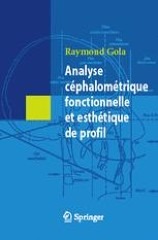
The complexity of the craniofacial architecture explains the multiplicity of cephalometric analyzes, too often based on points without phylogenetic, ontogenetic, anatomical or biomechanical justification. The value of a reliable and rapid analysis designed from indisputable fundamental foundations is essential. It enables the use of cephalometry in the daily practice of orthodontists, maxillofacial surgeons and facial plastic surgeons. This functional and aesthetic cephalometric analysis is carried out from fourteen anatomical points, ten bony points and four skin points, which all have in common that they are exo-basicranial. This analysis is easy to understand and use. It only takes five minutes to be learned and five minutes to be traced (fifteen seconds if it is computerized). The resulting results are reliable. The functional and aesthetic analysis is developed through four chapters. The first is devoted to the fundamental bases, the second to the analysis itself and to clinical cases, the third to the comparative study of different cephalometric analyzes, and finally the fourth chapter revisits the work of Arne Björk.

Agitator Design for Gas-Liquid Fermenters and Bioreactors delivers a concise treatment and explanation of how to design mechanically sound agitation systems that will perform the agitation process function efficiently and economically. The book covers agitator fundamentals, impeller systems, optimum power and air flow at peak mass transfer calculations, optimizing operation for minimum energy per batch, heat transfer surfaces and calculations, shaft seal considerations, mounting methods, mechanical design, and vendor evaluation.
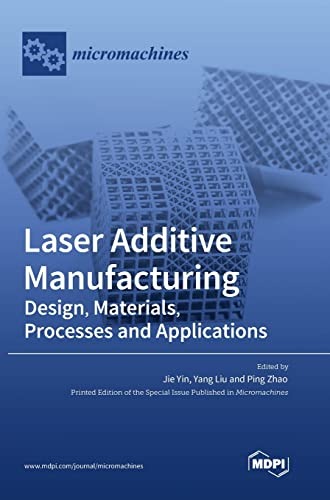
Laser-based additive manufacturing (LAM) is a revolutionary advanced digital manufacturing technology developed in recent decades, which is also a key strategic technology for technological innovation and industrial sustainability. This technology unlocks the design and constraints of traditional manufacturing and meets the needs of complex geometry fabrication and high-performance part fabrication. A deeper understanding of the design, materials, processes, structures, properties and applications is desired to produce novel functional devices, as well as defect-free structurally sound and reliable LAM parts.The topics in this Special Issue reprint include macro- and micro-scale additive manufacturing with lasers, such as structure/material design, fabrication, modeling and simulation, in situ characterization of additive manufacturing processes and ex situ materials characterization and performance, with an overview that covers various applications in aerospace, biomedicine, optics and energy.

Contains contributions on the latest developments in mobile robotic systems and related research. Various topics with different ideas and applications from mobile robotics have found their place. New ideas are presented for mobile robots that specialise in cleaning floors, power lines and HVAC systems. We also find innovative approaches for navigation path planning using local minima-free potential fields, novel path primitives and/or their parameterisation for minimum-time planning, and various control approaches ranging from visual serving to model predictive and adaptive trajectory tracking, applied to wheeled robots, humanoid manipulators and flying robots. Localisation approaches using LiDAR, motion capture systems, fingerprint-based and biomechanical gait systems are also discussed.
Advanced manufacturing technology and systems cover a broad scope involving manufacturing processes, machine tool design, system optimization, smart and flexible manufacturing, theoretical study and metrology. This reprint comprises 19 original papers concerning recent advances in the research and development of AMTSs. Specifically, there are many research fields that are covered: machining processes (six papers), micro-/nano-precision fabrication (four papers), and system optimization (eight papers), in addition to one review.

Focuses on the materials used for dental applications looking at the fundamental issues and the developments that have taken place the past decade. While it provides a broad overview of dental materials, the chemicals that are used for the preparation and fabrication of dental materials are explained as well. Also, the desired properties of these materials are discussed and the relevance of the chemical, physical, and mechanical properties is elucidated. Methods for the characterization and classification, as well as clinical studies are reviewed here. In particular, materials for dental crowns, implants, toothpaste compositions, mouth rinses, as well as materials for toothbrushes and dental floss are discussed. For example, in toothpaste compositions, several classes of materials an chemcials are incorporated, such as abrasives, detergents, humectants, thickeners, sweeteners, coloring agents, bad breath reduction agents, flavoring agents, tartar control agents, and others. These chemicals, together with their structures, are detailed in the text.
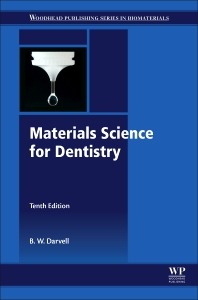
A standard resource for undergraduate and postgraduate courses in dentistry. It provides fundamental coverage of the materials on which dentistry depends, covering the structure and chemistry that govern the behavior and performance of materials. Particular classes of materials include gypsum, polymers, acrylic, cements, waxes, ceramics and metals. Other chapters review surfaces, corrosion, mixing, casting, cutting and bonding, and mechanical testing. This updated edition, which includes substantial chapters on chemistry, has been extensively revised with new material on temporary restoration resins, hydraulic silicate cements and the practical aspects of wetting surfaces. Mindfully written to provide explanations for behavior, formulation, clinical and laboratory instructions and procedures, there is no comparable resource for researchers, students, teachers and practitioners in the field of dentistry.
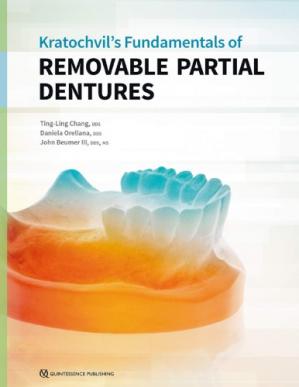
Provides an overview of the RPD design philosophy developed by Prof F. J. Kratochvil. His'RPI system'—a clasp assembly consisting of a rest, a proximal plate, and an I-bar retainer—changed how clinicians approach partial denture design. Topics in this book include RPD components and functions, design sequences for maxillary and mandibular RPDs, and techniques for surveying and determining the most advantageous treatment position. The authors provide illustrations of clinical cases throughout the book as well as an illustrated glossary of prosthodontic terminology. This book will prepare students and general practitioners to design and fabricate a biomechanically sound RPD framework for just about any dental configuration they encounter.
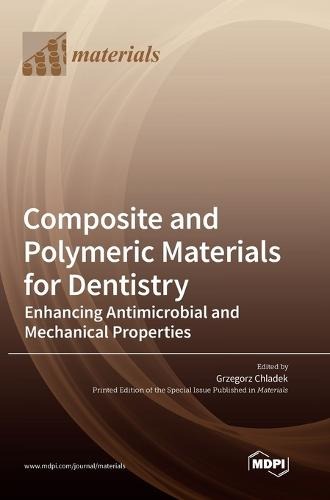
Focuses on enhancing antimicrobial and mechanical properties of polymeric materials and composites for dentistry. In recent years, special attention has been focused on the possibility of giving materials new or improved properties by the introduction of nano or submicron size additives, fibers or whiskers. Another area of research is the application of antibacterial monomers, which can be copolymerized in resins to kill oral pathogenic microflora. In addition, we are currently looking for new data regarding colonization of dental materials by pathogenic microbes and their influence on the other properties. Further, there are many new commercially available materials which should be investigated to verify their properties, which is important from the point of view of clinical practice. Original new research and reviews related to any of the topics mentioned above indicate the current directions of development of dental materials.
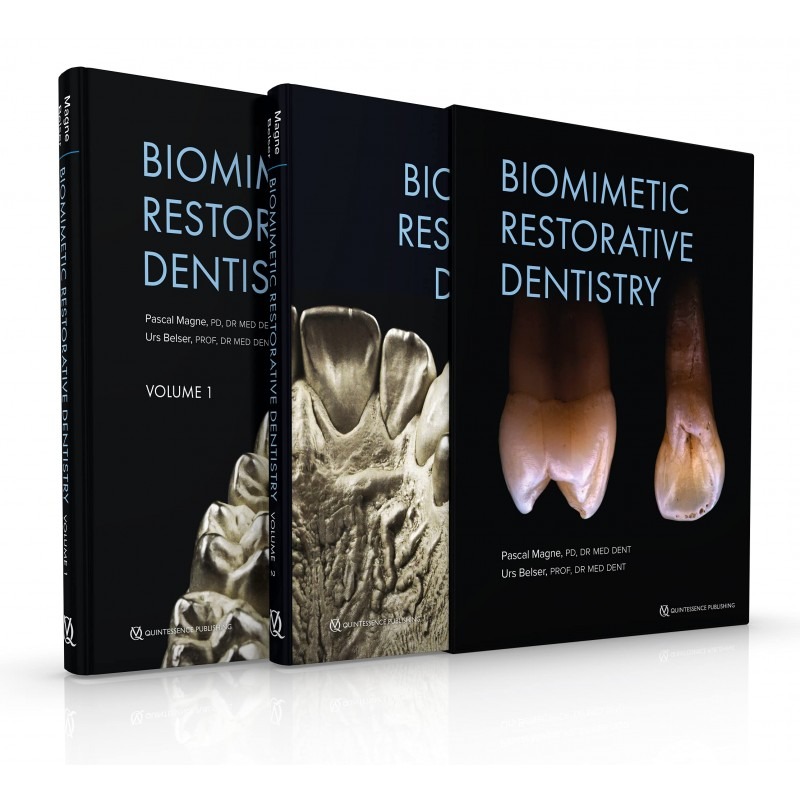
Takes the science of esthetic dental reconstruction to a new level both clinically and academically, and it offers all that a clinician could wish for in terms of indications and the classic clinical steps for tooth preparation, laboratory and CAD/CAM procedures, adhesive luting procedures, and maintenance. But above all, what makes this book so unique is the biomimetic principle—as such, restoring or mimicking the biomechanical, structural, and esthetic integrity of teeth is paramount. The core of this book centers on the application of the biomimetic principle in the form of bonded restorations using composite resins and ceramics, covering indications, treatment planning, diagnosis, tooth preparation and impression, laboratory and CAD/CAM procedures, final delivery, follow-up, maintenance, and repair. Written by a true master and artist, this book will undoubtedly inspire excellence in anyone who picks it up.
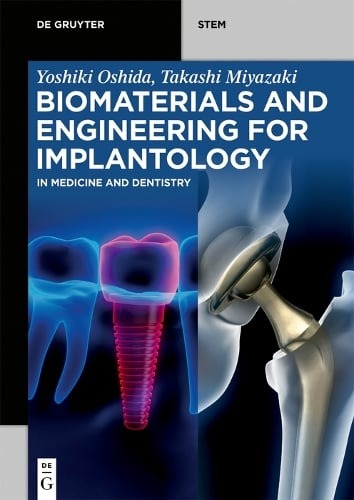
Biomaterials are composed of metallic materials, ceramics, polymers, composites and hybrid materials. Biomaterials used in human beings require safety regulations, toxicity, allergic reaction, etc. When used as implantable materials their biological compatibility, biomechanical compatibility, and morphological compatibility must be acessed. This book explores the design and requirements of biomaterials for the use in implantology.
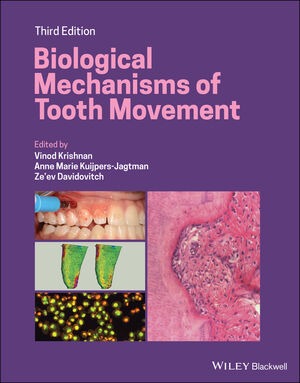
Cover subjects such as: The development of biological concepts in orthodontics, including the cellular and molecular biology behind orthodontic tooth movement Mechanics meets biology, including the effects of mechanical loading on hard and soft tissues and cells, and biological reactions to temporary anchorage devices Inflammation and orthodontics, including markers for tissue remodeling in the gingival crevicular fluid and saliva Personalized diagnosis and treatment based on genomic criteria, including the genetic influences on orthodontic tooth movement Rapid orthodontics, including methods to accelerate or decelerate orthodontic tooth movement Perfect for residents and PhD students of orthodontic and periodontal programs, Biological Mechanisms of Tooth Movement is also useful to academics, clinicians, bone biologists, and researchers with an interest in the mechanics and biology of tooth movement.
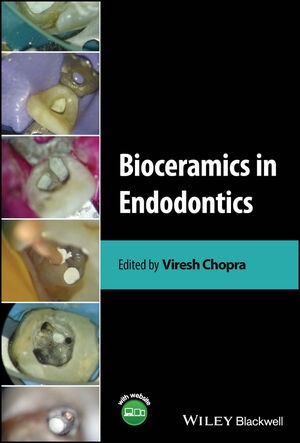
Focuses on overall makeup of dental bioceramics and relevant clinical situations in endodontics. Blends together detailed information on the physico-chemical and biological properties of bioceramics with their clinical application in endodontics, exploring history and chemistry, mechanical properties, advantages of bioceramics over other materials, and clinical cases with high definition pictures and videos demonstrating their usage across wide variety of clinical situations in endodontics.
Special attention has been given to bioactive materials developed to induce cells differentiation/stimulation, hard tissue formation and exert antimicrobial actions. New innovations are necessary to continue to help reinforcing existing technologies and to introduce new paradigms for treating dental disease and restoring teeth seriously compromised by caries lesions via biomimetic and more biological operative approaches. Dental bioactive materials is arguably the latest research area in dentistry and thus the amount of new research is overwhelming. However, in this day and age of evidence based practice it important for this new information to be distilled into a practical and understandable format.

سوريا - اتستراد درعا - غباغب
+963-15 2050 - 15 860 380 /1/2/3 - 11 662 3900