



الصفحة 1
الصفحة 1
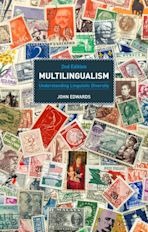
Multilingualism: Understanding Linguistic Diversity
Multilingualism is everywhere in our globalised society. Delving into the 'social life' of languages, John Edwards provides a brief yet compelling overview of multilingualism and its sociocultural implications and consequences. Covering major topics including language origins, language death, lingua francas, pidgins, creoles and artificial languages, this book provides a complete introduction to what happens when languages meet.

Fundamentals of anatomy and physiology of speech, language, and hearing
Each topic is explored in bullet-point form with augmentative paragraph information, in-depth box features, and detailed illustrations. High-resolution Anatomage virtual dissection table figures derived from real cadavers offer an unparalleled glimpse into the anatomical structures of the human body, featuring true-to-life colors and an impressive level of detail. Topics explored include respiration, phonation, articulation, swallowing, resonance, hearing, balance, neuroanatomy, and neurophysiology.

Development of linguistic linked open data resources for collaborative data-Intensive research in the language sciences
This volume examines the challenges inherent in making diverse data in linguistics and the language sciences open, distributed, integrated, and accessible, thus fostering wide data sharing and collaboration. It is unique in integrating the perspectives of language researchers and technical LOD (linked open data) researchers. Reporting on both active research needs in the field of language acquisition and technical advances in the development of data interoperability, the book demonstrates the advantages of an international infrastructure for scholarship in the field of language sciences.
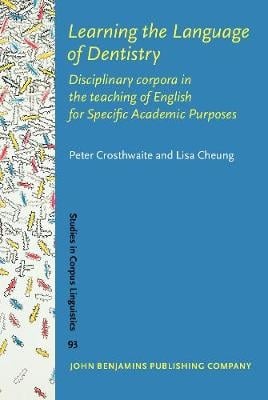
Learning the language of dentistry : disciplinary corpora in the teaching of English for specific academic purposes
Explores the affordances of disciplinary corpora for the teaching and learning of the language of dentistry, within the field of English for Specific Academic Purposes (ESAP). We extract disciplinary register features and vocabulary from three key genres of the dentistry discipline (published experimental research articles, case reports, and novice/professional research reports within the Dental Public Health domain), before integrating these features into ESAP pedagogy in the form of corpus-based ESAP materials that promote student-led direct engagement with disciplinary corpora – an approach known as 'data-driven learning'. This book is a timely and relevant addition to the field of corpus linguistics and ESAP, and is especially targeted at ESAP professionals who are required to teach disciplinary discourses but who may struggle to know what to teach as non-experts of the target discipline.
