


تحسين النتائح
ترتيب حسب
من
الى

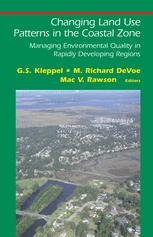
Coastal ecosystems make up some of the most important, yet most endangered, regions in the world. The protection of the unique processes that take place in these ecosystems requires that partnerships be formed among ecologists, resource managers, and planners. Experienced in the challenges of coastal system analysis, the contributors to this book provide multidisciplinary guidance on the assessment and management of environmental impacts caused by development. Each chapter examines an issue important to these fragile ecosystems, first presenting a non-technical summary of the issue and a review of the current state of the knowledge, then following with data and a more detailed consideration of the topic.
Brings together some of the most important current research in European agroforestry, and evaluates the current scope and future potential of agroforestry across the EU.While the majority of Europe’s agroforestry practices are currently focused in the Mediterranean, this volume draws together examples from a wide range of countries – including Greece, Spain, the UK, Hungary, Germany, Italy, the Netherlands, Switzerland, France and Slovenia. The book also covers a range of agroforestry types, including silvopastoralism – Europe’s predominant form of agroforestry – as well as alley cropping, forest farming, silvoarable systems and the use of trees for shelter. Through these examples the book also discusses the potential roles for these traditional land management systems in addressing both environmental issues such as water quality, biodiversity conservation, desertification, ecosystem services and socioeconomic issues such as rural population stabilization.
Land-use change is one of the main drivers of many environmental change processes. It influences the basic resources of land use, including the soil. Its impact on soil often occurs so creepingly that land managers hardly contemplate initiating ameliorative or counterbalance measures. Poor land management has degraded vast amounts of land, reduced our ability to produce enough food, and is a major threat to rural livelihoods in many developing countries. To date, there has been no single unifying volume that addresses the multifaceted impacts of land use on soils. This book has responded to this challenge by bringing together renowned academics and policy experts to analyze the patterns, driving factors and proximate causes, and the socioeconomic impacts of soil degradation. Policy measures to prevent irreversible degradation and rehabilitate degraded soils are also identified.
In many parts of the world, climatic variations are recognized as one of the major factors contributing to land degradation impacting on agricultural systems performance and management. To accurately assess sustainable land management practices, the climate resources and the risk of climate-related or induced natural disasters in a region must be known. Only when climate resources are paired with management or development practices can the land degradation potential be assessed and appropriate mitigation technologies be developed. This book is based on an International Workshop held in Arusha, Tanzania and should be of interest to all organizations and agencies interested in sustainable land management to arrest land degradation.

سوريا - اتستراد درعا - غباغب
+963-15 2050 - 15 860 380 /1/2/3 - 11 662 3900