


تحسين النتائح
ترتيب حسب
من
الى

Provides coverage of developments and state-of-the-art methods in the broad and diversified data analytics field and applicable areas such as big data analytics, data mining, and machine intelligence in biomedical and health informatics. Covers the latest advances and developments in health informatics, data mining, machine learning, and artificial intelligence. They have been organized with respect to the similarity of topics addressed, ranging from issues pertaining to the Internet of Things (IoT) for biomedical engineering and health informatics, computational intelligence for medical data processing, and Internet of Medical Things??(IoMT).
Explains how artificial intelligence is applied to medicine, illustrating not only its enormous potential but also ancillary issues and the limits and risks inherent in its use on a large scale. The book focuses on the intersection between medicine and AI and its implications on the impact of human health care delivery. Topics discussed include wearable devices, health data, Internet of Things, virtual reality, robotic assistance system, and digital intelligence in the health sector. Additionally, sections discuss diagnostics and decision-making systems and machine/deep learning in clinical setting.
designed to be read section by section in the order in which it is presented. I would then recommend a re-reading of the first section so that the tenets laid down in this area are more readily understood after having experienced the tech nical presentations. The serious student will then utilize the book as an atlas of techniques that can be conveniently referenced when needed in any particular situation. All surgeons should then use any new information as a beginning plat form of information from which to develop and refine their own experience, col lecting and analyzing their own personal library of techniques, as they advance though this most wonderful and satisfying Discipline.

Healthcare quality is not a new issue, but it is often underestimated. The doctor focuses on his relationship with the patient, and is led to believe that technique and technology are sufficient to guarantee effective and efficient performance, regardless of the organizational system. Quality understood as "Total Quality Management" is a way to cross a border, to create knowledge, to break the armor of self-referentiality and that individualistic vision of work learned during university studies and consolidated by professional practice. The path of professional peer accreditation is the tool that the scientific society Associazione Medici Diabetologi has developed and provided to diabetologists to facilitate the understanding of ways of looking at the world of healthcare that are different from those they usually use.

Frequent headaches seriously affect the lives of millions of sufferers. The result can be lost productivity and income, restrict activity, lower self-esteem, and even social isolation. For many, it takes years to find the appropriate medication to manage your headaches effectively. In Managing Your Headaches, Mark and Leah Green and John Rothrock explain what information you should record for your physician, what a physician is looking for in a neurological examination, and what you should (and should not) do to reduce the frequency and severity of your headaches. They discuss the effects of stress, psychological factors, possible food triggers, and environmental risk factors. The authors explain the symptoms of migraine, cluster, and tension-type headaches as well as less common types. They address common concerns and misconceptions and explain current knowledge about headache causes in understandable terms. The newest, most effective medications and their possible side effects are evaluated. The authors also explain how to prevent rebound headaches from over-medications and how non-medical treatments can be of value. Managing Your Headaches will tell you what you need to know to better control your headaches. Armed with the information in this book, you can be aware of the latest treatment options and can have more productive, informed discussions with your physician.
This multiauthored text provides information on the pathophysiology of GERD, appropriate medical management, and proper indications for and performance of surgical and endoscopic procedures for GERD. Thousands of patients will experience inadequate relief from medical therapy or will develop complications from their procedures or recurrent or new symptoms afterwards; this text describes in detail the proper evaluation and management of such patients.
لThe text is logically organized and key information is easily accessible. The introductory section offers the reader important background and rationale for evaluating and treating addiction in primary care. Following a useful presentation of addiction "basics" (i.e., definitions, neurobiology, genetics, and the disease model), the majority of the book focuses on helping the physician gain insight and develop practical skills that can be readily implemented. A wealth of clinical assessment tools is provided, and the underlying psychosocial processes common to all forms of addiction are discussed. Both pharmacologic interventions and nonpharmalogic modalities are clearly outlined. Of particular note are specific cognitive-behavioral and motivational strategies that can be administered in an office-based setting. The role of community-based recovery support systems is considered as well. Since a complete understanding of why and when to refer is critical to the management of this often life-threatening condition, criteria for referral are detailed. Bulleted clinical "pearls" further aid the reader in gaining insight into treating this difficult patient population.
Management of Prader-Willi Syndrome brings together the contributions of professionals with considerable expertise in diagnosis and management of PWS. Clinical, social, family, and community issues are explored and management strategies identified. The text presents historical, medical, and genetic information to orient the reader. The major portion deals with pragmatic guidelines, rather than research and diagnosis, and is directed to health and educational specialists in academic, clinical, and community settings. This manual is endorsed by The Prader-Willi Syndrome Association, which is recognized world-wide.

Breast cancer, its causes, early detection and treatment have received considerable attention, since this widespread disease is one of the most important health concerns for women. This book provides a comprehensive overview of the diagnostic and therapeutic aspects of the management of early-stage breast cancer, including essential information on basic topics like pathology, and radiology, as well as the latest developments. Further, it discusses all aspects of surgical care, chemotherapy and radiation therapy, together with the controversies and current management guidelines.
(Review from JAMA) Malignant mesothelioma is an uncommon neoplasm usually associated with exposure to asbestos. Because of its low incidence, thorough reviews of the topic are hard to find. Harvey Pass and colleagues have edited an up-to-date, comprehensive book that includes a wide range of information, from a historical perspective to descriptions of the latest treatment. The authors . . . have written chapters on the carcinogenesis, molecular genetics, and clinical aspects of mesothelioma. Malignant Mesothelioma is suitable for a broad audience. Laboratory researchers will use it as a resource for information about the pathogenesis, animal models, molecular genetics, and cell lines of mesothelioma. . . . Clinicians will benefit from this complete guide to the presentation, prognosis, imaging, and treatment of the disease. I highly recommend this book to all who are interested in mesothelioma.
The imaging of stroke has undergone significant changes owing to the rapid progress in imaging technology. This volume, comprising three parts, is designed to provide a comprehensive summary of the current role of MR imaging in patients with ischemic stroke. The first part outlines the clinical presentations of stroke and discusses the diagnostic efficacy and therapeutic impact of MR imaging. The second and third parts form the core of the volume, and are based on a novel approach in that the topic is presented from two very different viewpoints. Part 2 provides a detailed presentation of the distinguishing features of stroke from the radiologist's perspective. By contrast, part 3 addresses the needs of the clinician, documenting specific stroke syndromes and their correlates on MR imaging. The overall aim has been to create a well-illustrated volume with broad appeal that links pathology, radiology and stroke medicine in an informative manner.
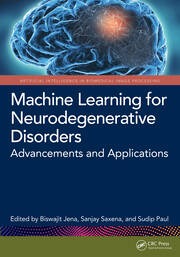
Explores the application of machine learning to the understanding, early diagnosis, and management of neurodegenerative disorders. With a specific focus on its role in ongoing clinical trials, the book covers essential topics such as data collection, pre-processing, feature extraction, model development, and validation techniques. It delves into the applications of neuroimaging techniques like magnetic resonance imaging (MRI), computed tomography (CT), and positron emission tomography (PET) in the diagnosis and understanding of neurodegenerative disorders. Additionally, the book examines various machine-learning algorithms employed for biomarker discovery in neurodegenerative disorders. It highlights the role of neuroinformatics and big data analysis in advancing the understanding and management of neurodegenerative disorders. Furthermore, the book reviews future prospects and presents the ethical considerations and regulatory challenges associated with implementing machine learning approaches in the diagnosis, treatment, and prevention of neurodegenerative disorders.
Describes the theoretical underpinnings and operational aspects of delivering longer-term inpatient psychiatric care to adolescents experiencing severe, unremitting mental illness. The authorship is drawn from the multidisciplinary team that supports the Walker Adolescent Unit, located in Sydney, Australia. The book begins with an account of the planning and development of the unit, an examination of the physical environment, and the adaptations that have been made to ensure its functionality. There follows a consideration of the therapeutic milieu. The book describes clinical processes such as admission and discharge planning, formulation and case review. There is information about the specific roles of professionals and the therapies that they provide. The book describes the steps taken to maintain and enhance the physical wellbeing of patients. There are chapters dedicated to governance, and to training and education. The final chapter describes how the unit responded to challenges created by the COVID-19 pandemic.
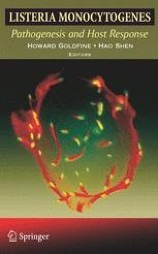
This comprehensive volume, written by experts in the field, includes concise and timely reviews of Listeria monocytogenes, one of the most intensively studied bacterial pathogens. Listeria monocytogenes is the cause of listeriosis, a potentially fatal disease that arises from the consumption of contaminated food. During the past two decades, studies of this organism have uncovered a wealth of information on its virulence factors, its genome organization, and its interactions with host cells and the immune system.
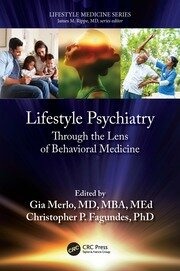
Lifestyle medicine is a practice which adopts evidence-based lifestyle interventions as a primary modality to prevent, treat, and reverse chronic diseases. The six main pillars of this specialty include physical activity, nutrition, stress resilience, cessation or risk reduction of substance use, quality sleep, and connectivity. Lifestyle psychiatry is a rapidly emerging area within healthcare informed by rigorous research within the social and biological sciences, public health, and medicine. A volume in the Lifestyle Medicine series, this book uses a comprehensive biopsychosocial approach to prevent and treat psychiatric disorders and promote mental and physical well-being through evidence-based lifestyle interventions.
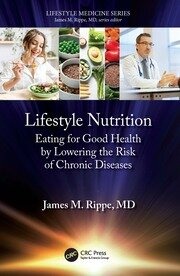
Provides physicians with an evidence-based introduction to nutrition science with a practical emphasis on how to apply this information to improve the health of their patients and enhance their own lives. From nutrition and atherosclerosis to erectile dysfunction and chronic kidney disease to osteoporosis, this comprehensive guide covers a wide range of conditions influenced by diet. It delves into specialized areas, such as nutrition for physically active people to the elderly, ensuring relevance for diverse patient populations. The reader will find detailed analysis of the Dietary Guidelines for Americans 2020–2025 and their applications and strategies for adopting healthy plant-based diets, such as Mediterranean, DASH, and vegan.

Life As we Know It ["LAKI"] covers several aspects of Life, ranging from the prebiotic level, origin of life, evolution of prokaryotes to eukaryotes and finally to various affairs of human beings. Although it is hard to define Life, one can, however, characterize it and describe its features. Topics treated are categories of bacteria, algae and fungi, conscience, philosophy, theology, aesthetics, appearance of sport and life destiny, life after clinical death, and thoughts of the world to come ("Olam Haba"). The various chapters have been written so that they are accessible to all - from the avid lay reader to the specialist – and make available multidisciplinary sources of information about Life. This volume will interest open minded scholars, students at all levels of general sciences, natural and Life science, researchers of philosophy, theology, history of Life, astrobiology, and those who wish to widen their knowledge about "who are we in the universe".
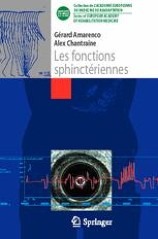
This book on Sphincter functions provides an update on a very topical subject, urinary and anal incontinence. Divided into three parts, it first deals with fundamental aspects, whether anatomical, physiological or clinical. The explorations of the various urinary and anorectal functions are described with electrophysiological, manometric, urodynamic tests as well as imaging. The second part is devoted to the pathology with all the dysfunctions that we encounter in daily practice. Urinary and anal incontinence, dysuria and retention, neurological sphincter disorders, dysfunctions in pregnant women and children are discussed. The last part takes stock of treatments, whether pharmacological, rehabilitative or surgical. This work, which contains a considerable amount of information, will undoubtedly be of interest to many medical specialists (physicians in physical medicine and rehabilitation, neurologists, gastroenterologists, gynecologists, general practitioners, pediatricians), surgeons (urologists, gynecological surgeons, surgeons). digestive) whether they are in training or already involved in the management of perineal disability. Other health professionals will find reference material there (nurses, physiotherapists, midwives).

The gut-brain axis refers to the network of nerve pathways that connect the myenteric plexus, the veritable "gut brain," to the central nervous system. Nearly 80% of these neurons are sensory neurons, and the afferent pathways that transmit information from the digestive tract to the central nervous system play a crucial role in the physiological regulation of digestive functions, as well as in certain pathological conditions. A large majority of these sensations remain unconscious and give rise to reflex responses. Only those requiring a conscious response reach the level of awareness in a normal state (hunger, thirst, the urge to defecate). In pathological situations, the same is true for painful sensations of digestive origin. Functional bowel disorders are a frequent reason for consultation. Their pathophysiology is now based on a model integrating the various etiological factors around the brain-gut axis. These patients frequently present with visceral hypersensitivity, which manifests as an increased perception of digestive sensations, notably the onset of pain in response to stimuli that are not painful in normal subjects. Recognizing the role of visceral hypersensitivity has made it possible to explain the mechanism of action of medications used to treat functional bowel disorders and paves the way for the development of new molecules acting on digestive afferents. In this book, we will describe the anatomical and physiological basis for understanding the concept of visceral sensitivity and the role of digestive afferents in the pathophysiology of acute and chronic abdominal pain, particularly irritable bowel syndrome.
Leptomeningeal Metastases provides the reader with an overview of the state-of-the-art therapy for the leptomeningeal patient with additional information on epidemiology, symptom management, new clinical trials, and current basic research in animal models for experimental therapies. "Leptomeningeal metastases remains a devastating manifestation of hematologic malignancies and solid tumors. Leading figures in the field review the pathophysiology and clinical consequences of this process. State-of-the-art treatment strategies are presented highlighting advances in current management."

سوريا - اتستراد درعا - غباغب
+963-15 2050 - 15 860 380 /1/2/3 - 11 662 3900