


تحسين النتائح
ترتيب حسب
من
الى

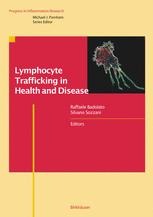
Since the discovery of chemokines and of chemokine receptors it has become evident that expression of chemokines at the site of inflammation may regulate the composition of cellular infiltrate, thereby directing the type of immune response. Recently, the molecular characterization of inherited disorders of immune system, (e.g., Wiskott-Aldrich syndrome, WHIM syndrome, leukocyte adhesion deficiency), which are characterized by cytoskeleton/adhesion defects or by altered response of chemokine receptors has contributed to clarifying the key players of immune response in normal physiology and in disease. This book, which deals with the description of the role of chemokines in immune response and underlines potential targets of therapeutical intervention, offers a series of contributions of the most challenging aspects of lymphocyte migration in homeostasis and in disease.
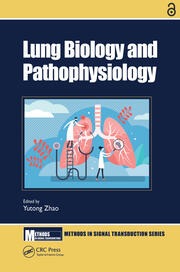
The lungs are the organ for gas exchange between the body and the external environment. Dysfunction of upper airway epithelium and smooth muscle cells leads to pathogenesis of asthma, chronic obstructive pulmonary disease (COPD), cystic fibrosis, and other conditions, resulting in airway inflammation and narrowing. Injury to alveolar epithelium and endothelium causes influx of neutrophil and protein-rich fluid from circulation, resulting in edema and disruption of gas exchange. In addition to lung structural cells, immune cells, including alveolar macrophages and lymphocytes play critical roles in the maintenance of lung function. This book contributes to the understanding homeostasis of lung cells in the physiological and pathological conditions critical to the development of novel therapeutics.
Contained in this book are the outcome of a colloquium sponsored by Fondation IPSEN in which interdisciplinary perspectives were brought to bear on conceptual, empirical and clinical aspects of this relationship. The result is a unique, innovative and timely blend of papers on topics ranging from frailty concepts in animal models and early Homo sapiens, to documentation of progress in morbidity compression, on the relationships between frailty and impairments and inflammation, and perspectives on long-term health care needs in an aging world.
Lipids are functionally versatile molecules. They have evolved from relatively simple hydrocarbons that serve as depot storages of metabolites and barriers to the permeation of solutes into complex compounds that perform a variety of signalling functions in higher organisms. This volume is devoted to the polar lipids and their constituents. We have omitted the neutral lipids like fats and oils because their function is generally to act as deposits of metabolizable substrates. The sterols are also outside the scope of the present volume and the reader is referred to volume 28 of this series which is the subject of cholesterol. The polar lipids are comprised of fatty acids attached to either glycerol or sphingosine. The fatty acids themselves constitute an important reservoir of substrates for conversion into families of signalling and modulating molecules including the eicosanoids amongst which are the prostaglandins, thromboxanes and leucotrienes. The way fatty acid metabolism is regulated in the liver and how fatty acids are desaturated are subjects considered in the first part of this volume. This section also deals with the modulation of protein function and inflammation by unsaturated fatty acids and their derivatives. New insights into the role of fatty acid synthesis and eicosenoid function in tumour progression and metastasis are presented.

Based on the LENT V NCI-sponsored meeting held in May 2004 and the CURED I conference held in 2006. It addresses a number of critical topics relating to late effects, such as mechanisms of injury, the role of screening, options for interventions, second malignancies, and prevention.
In Chronic Prostatitis / Chronic Pelvic Pain Syndrome, the author provides today’s most current information covering the four categories of prostatitis (acute, chronic bacterial, CPPS and asymptomatic inflammation).
Chemokines play an important role in recruiting inflammatory cells into tissues in response to infection and inflammation. They also play an important role in coordinating the movement of T-cells, B-cells and dentritic cells, necessary to generate an immune response (response to injury, allergens, antigens, invading microorganisms). They selectively attract leukocytes to inflammatory foci, inducing both cell migration and activation. They are involved in various diseases, like atherosclerosis, lung and skin inflammation, multiple sclerosis, or HIV. Volume 2 of this two-volume set discusses the pathophysiology of chemokines. It is divided into two parts: a) chemokines in animal disease models, and b) chemokines as drug targets. Together with volume 1, which discusses the immunobiology of chemokines, both volumes give a comprehensive overview of chemokine biology.
The discovery of interleukin-8 close to 20 years ago initiated a new field of research touching on many aspects of immunology and inflammation. Interleukin-8 is just one member of a large class of structurally related chemoattractant proteins, known as chemokines. Chemokines are involved in the traffic control of leukocytes, which bear the corresponding chemokine receptors on their surfaces. Today, it is clear that chemokines affect all aspects of immunology and even many unrelated fields, such as tissue development and tumor cell metastasis. Their fundamental contributions to chronic inflammatory diseases make them a principal target for the development of novel, anti-inflammatory therapeutics.
This volume serves as a succinct and well-organized reference volume focused on inflammatory CNS disease to a wide audience. The text is comprised of four sections revolving around current areas of interest in the fields of neuroimmunology, virology, pharmacology and disease. Sections of this text focus on a specific category of diseases as well as the pharmacological, virological, and immunological effects of and on the disease.Although many have covered this topic, few have provided a volume as concise and efficient. Each disease is broken down on a variety of scientific levels without getting into the history of the disease. This approach provides a succinct overview of a specific subject encompassing interrelated topics pertaining to neurology, immunology and disease. The information provided in Central Nervous System Diseases and Inflammation will be useful for researchers, clinicians, as well as a valuable resource for students interested in the fascinating arena of neuroinflammation.
Although inflammatory disease of the vascular bed of the lung is a major cause of morbidity and mortality in both adult and pediatric age groups, the importance of vascular biology to its understanding, and in developing novel therapeutics, has been overlooked. In Cell Signaling in Vascular Inflammation, leading basic and clinical researchers review the signal transduction mechanisms responsible for lung inflammation, including vascular hyperpermeability, white cell accumulation, and vascular remodeling. The authors cut across disciplines to bring together a broad-based presentation of inflammatory challenge, both in the initial phases of the inflammatory response, as well as in the more prolonged phase of genomic involvement.
This book is a single source that provides a multi-perspective look at and approach to Atrial Fibrillation. Because Atrial Fibrillation is so prevalent and affects all areas of medicine, the information in this book will be useful to cardiologists, cardiac surgeons, researchers, and all those in the medical field.
Covers all aspects of Anti-Neutrophil Cytoplasmic Antibody (ANCA) Associated Vasculitis (AAV). The expression refers to a group of diseases, characterized by destruction and inflammation of small vessels. The clinical signs vary and affect several organs, such as the kidney, lung, skin, nervous system and others. presents recently acquired knowledge on pathogenesis, diagnosis, and therapy with the aim of promoting a more holistic approach to these conditions. AAVs are systemic autoimmune diseases of unknown cause that affect small (to medium) sized blood vessels. They include granulomatosis with polyangiitis (formerly Wegener's granulomatosis), microscopic polyangiitis, and eosinophilic granulomatosis with polyangiitis (formerly Churg–Strauss syndrome).
Although the potential for immunomodulation has been recognized for many years there has been an explosion of data in this field with relevance especially to the treatment of chronic airway diseases. Most of the work in this field has been conducted by Japanese investigators but in the last decade there has been a body of work outside of Japan that supports and enhances these findings. The book covers basic research like effects on bacteria, anti-inflammatory and mucoregulatory effects, but also clinical results with up-to-date information for the use of such medications to potentially treat diseases as diverse as chronic airway diseases, arthritis, inflammatory bowel disease, and cancer.
This volume relates the lessons learned from tumour biology applied to inflammation. This issue of Angiogenesis in Inflammation: Mechanisms and Clinical Correlates develops current knowledge on the mechanisms at the molecular and cellular levels as they relate to inflammation, including acute and chronic inflammation, neurogenic initiation, and the role of the multiple cellular components that comprise inflammation: granulocytes, macrophages, fibroblasts, dendritic cells and lymphocytes. This is related to inflammatory disease: not only the familiar angiogenesis dependent diseases of rheumatoid arthritis and psoriasis, but also loci such as the lung, gastric ulcers, the eye with uveitis, wound healing and periodontal disease and their therapy, how this knowledge may be used in the discovery of novel therapeutics. The volume brings together experts in each of these fields to link the molecular and cellular processes in angiogenesis to those of inflammation and disease, culminating in a discourse on areas for future therapies.
Andrology for the Clinician consists of two parts: In Part One, the busy clinician can easily find the problem-orientated information he or she needs on such issues as * Male factor fertility problems * Male contraception * Male genital tract infection and tumours Part Two contains in-depth subject-orientated information and adds important scientific background information to the recommendations received in Part One. Several leading experts have contributed to this work, which has been extensively subedited by world-renowned editors to ensure a well-structured didactic design and homogeneous content.
Analgesics are among the oldest drugs described, albeit not necessarily for medicinaluse. Forexample,theSumeriansisolatedopioids(probablyfortheir euphoric effects) in the third millennium b. c. and the use of willow bark (salicin) for fever was ?rst reported in the eighteenth century. Both types of drugs are still in use, but today they are supplemented by a wide array of substances ranging from antidepressants to ion channel blockers. Not all of theseareprescribedbyphysicians. Manycompoundsaresoldoverthecounter and thus available to the public for self-medication. As a result, analgesics are also the most misused class of drugs and are the culprit for a multitude of healthproblemsdueto untoward sideeffects. Thisvolumeattemptstosummarizethecurrentstateofknowledgeonme- anisms underlying the various effects of these drugs, their side effect pro?les, and their indications and contraindications in clinical use.
The aim of Adipose Tissue and Adipokines in Health and Disease is to provide comprehensive information regarding adipose tissue, its physiological functions and its role in disease. This volume contains a collection of information spanning the entire range of adipose tissue studies, from basic anatomical and physiological research to epidemiology and clinical aspects, in one place. This book is indispensable for basic researchers and clinicians interested in the fields of obesity, metabolic diseases, inflammation and immunity, and specialists in each of the pathologies associated with obesity.
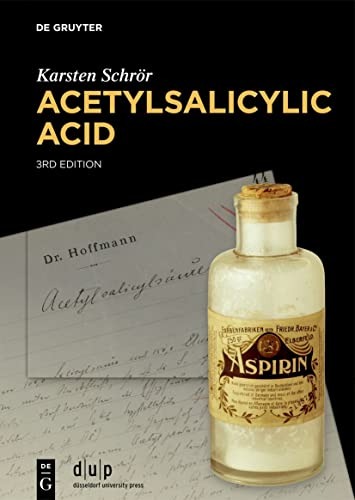
Contains the latest results of clinical and pharmacological research on Acetylsalicylic acid, addressing the multiple pharmacological properties of this famous drug with a balanced view on their translation into clinical practice, including prevention and treatment of cardiovascular diseases, thromboinflammation and colorectal cancer. Understandable for clinicians, pharmacists, biomedical researchers and pharmacologists alike.
Abeta Peptide and Alzheimer’s Disease summarizes current knowledge of beta-amyloid peptide (Aß) and its role as the major culprit in Alzheimer’s Disease (AD), shown by recent advances in genetics and brain biochemistry.the book covers fundamental biochemical studies on the Aß peptide, the genetic impact on Aß expression and processing, and various AD therapeutic strategies that target Aß. Although specifically focusing on Aß and AD, there is also some discussion on the similarity and differences of this peptide and AD with other amyloidogenic diseases.
A complete reference for all clinicians who are interested in incorporating into their daily practice the techniques available to reduce the duration of orthodontic treatment and to overcome other treatment limitations. It focuses especially on micro-osteoperforations (MOPs) as the most conservative, efficient, and versatile approach to increase the rate of tooth movement.

سوريا - اتستراد درعا - غباغب
+963-15 2050 - 15 860 380 /1/2/3 - 11 662 3900