



الصفحة 1
الصفحة 1

New architecture in wood : forms and structures
Building with wood is currently enjoying a comeback. The reasons for the return of this ancient construction material are manifold. More than just being a renewable material that stores the carbon dioxide so damaging to the climate, it also has excellent structural properties, creates an ideal interior climate, and is easily combined with all other common building materials. The diverse applications can draw on expertise with wooden structures gained over centuries plus current research into modern timber engineering. Significant new developments in this specialist discipline have been seen in recent decades, especially in the German-speaking countries.

Industrial steel building
The project is a design for a metal facility, which is a biscuit factory within the city of Damascus. The building consists of two floors, the first floor is offices and the second floor is for storage. The study was conducted according to the European code and the Syrian Arab code.

Emergent architectural territories in east asian cities
Presents current developments in city planning and architecture in East Asia. It describes the many neighborhoods in which the region’s large cities are modernizing or expanding with innovative structures and advanced construction projects. It combines a typology of public structures with an analysis of the compositional principles of urban environments. Thus, it finally connects new developments in city planning with new developments in architecture, and considers examples such as CCTV, Lujiazui, Kansai Airport, Xinyi, Taipei 101, Chek Lap Kok, Cheonggyecheon, Roppongi Hills, Da Shanzi, Shahe, Omotesando, and Marina Bay from a new perspective.And the new perspectives presented here are not just theoretical: some forty full-page bird’s eye views prepared especially for this volume show these future urban settings in highly detailed images of breathtaking beauty.

Courthouse Architecture, Design and Social Justice
Interrogates relationships between court architecture and social justice, from consultation and design to the impact of material (and immaterial) forms on court users, through the lenses of architecture, law, socio-legal studies, criminology, anthropology, and a former senior federal judge.
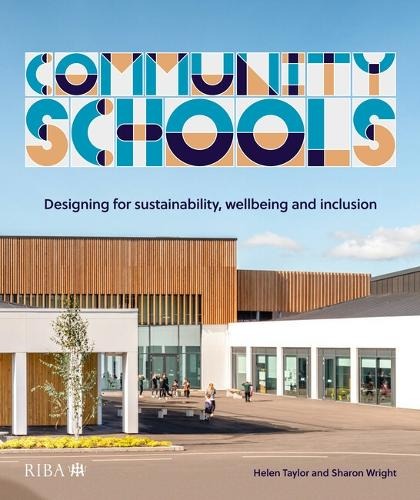
Community schools : Designing for sustainability, wellbeing and inclusion
Reconsiders what is required from physical school environments, building on the learning gathered from the sector over the past two decades. To meet the new social, environmental and economic challenges it advocates designing differently, both in terms of the form that buildings take and the evaluation of their impact and performance. By calling for a reframing of the way that schools are regarded as community-wide amenities, this book explores the potential for architects to deliver design in a manner that supports healthy lifestyles and promotes wellbeing. Through encouraging social connections, new possibilities open up for educational facilities to become open, welcoming and inclusive. Featuring: Over 12 international case studies from practices including: Architype, Argyll + Bute, Bogle Architects, DRMM, Revaerk, Scott Brownrigg and XDGA. Key themes of wellbeing, connectivity, inclusion, indicators and evaluation. Practical guidance and learning points throughout. A new design brief for community schools
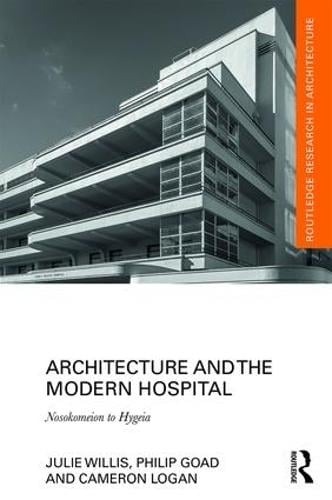
Architecture and the modern hospital : Nosokomeion to Hygeia
Explores the rapid evolution of hospital design in the twentieth century, analysing the ways in which architects and other specialists reimagined the modern hospital. It examines how the vast expansion of medical institutions over the course of the century was enabled by new approaches to architectural design and it highlights the emerging political conviction that physical health would become the cornerstone of human welfare.
