



الصفحة 1
الصفحة 1

Neuroprotection : Method and protocols
Contains cutting-edge molecular biology methods on neuroprotective mechanisms and specific preclinical models of the CNS injury, iseases and planning translation. Chapters guide readers through neuropathology, neuroprotection, Alzheimer’s disease, amyotrophic lateral sclerosis, ALS, Huntington’s disease , multiple sclerosis, Parkinson’s disease, spinal cord injury, traumatic brain injury, and ischemic brain injury. Written in the highly successful Methods in Molecular Biology series format, chapters include introductions to their respective topics, lists of the necessary materials and reagents, step-by-step, readily reproducible laboratory protocols, and tips on troubleshooting and avoiding known pitfalls.

Neurochemical Aspects of Excitotoxicity
Leading researchers offer cutting-edge information on glutamate metabolism in the brain, examining the role of glutamate transporters and the involvement of glutamate receptors in the pathogenesis of acute neural trauma and neurodegenerative diseases.

Neuroacanthocytosis Syndromes II
Awareness of neuroacanthocytosis disorders has increased significantly in recent years. There have been a number of important developments in the field since the publication of the first volume, Neuroacanthocytosis Syndromes. This book contains the latest research in this area. Recent advances have identified the range of mutations in the causative genes, shedding light on potential phenotypegenotype correlations. Studies of the proteins affected in these disorders have resulted in increased understanding of their functions and distribution. In vitro studies have identified potential protein interactions, which have important implications for pathophysiology. Work on erythrocyte membranes suggests mechanisms for the generation of acanthocytes. Animal models are being generated which will greatly facilitate understanding the role of gene mutations in humans, and provide the foundation for possible therapeutic interventions. In addition, advances in other neurodegenerative disorders, such as Huntington’s and Parkinson’s diseases, have implications for neuroacanthocytosis.

Neuroacanthocytosis Syndromes
Neuroacanthocytosis Syndromes is the first comprehensive review of a field that has not yet received the attention it deserves. Affecting the brain as well as the circulating red cells, these multi-system disorders in the past had often been mistaken for Huntington's disease. Recent breakthroughs have now identified the molecular basis of several of these. This volume grew out of the first international scientific meeting ever devoted to neuroacanthocytosis and provides in-depth information about the state of the art. Its thirty chapters were written by the leading authorities in the field to cover the clinical as well as the basic science perspective, including not only molecular genetics but also experimental pharmacology and cell membrane biology, among others. The book vehemently poses the question of how the membrane deformation of circulating red blood cells relates to degeneration of nerve cells in the brain, the basal ganglia, in particular. It provides a wealth of data that will help to solve an intriguing puzzle and ease the suffering of those affected by one of the neuroacanthocytosis syndromes.

Heat Shock Proteins and the Brain : Implications for Neurodegenerative Diseases and Neuroprotection
Neurodegenerative disorders such as Alzheimer’s disease, Huntington’s disease, Parkinson’s disease and amyotrophic lateral sclerosis have been termed ‘protein misfolding disorders’ that are char- terized by the neural accumulation of protein aggregates. Manipulation of the cellular stress response involving the induction of heat shock proteins offers a the- peutic strategy to counter conformational changes in neural proteins that trigger pathogenic cascades resulting in neurodegenerative diseases. Heat shock proteins are protein repair agents that provide a line of defense against misfolded, aggregati- prone proteins. Heat Shock Proteins and the Brain: Implications for Neurodegenerative Diseases and Neuroprotection reviews current progress on neural heat shock proteins (HSP) in relation to neurodegenerative diseases (Part I), neuroprotection (Part II), ext- cellular HSP (Part III) and aging and control of life span (Part IV).

Genome editing in neurosciences
Innovations in molecular biology are allowing neuroscientists to study the brain with unprecedented resolution, from the level of single molecules to integrated gene circuits. Chief among these innovations is the CRISPR-Cas genome editing technology, which has the precision and scalability to tackle the complexity of the brain. This Colloque Médecine et Recherche has brought together experts from around the world that are applying genome editing to address important challenges in neuroscience, including basic biology in model organisms that has the power to reveal systems-level insight into how the nervous system develops and functions as well as research focused on understanding and treating human neurological disorders.

Drug Delivery Systems for Metabolic Disorders
Covers recent developments in advanced drug delivery systems in various metabolic disorders, including disturbances in protein, lipid, carbohydrate and hormone metabolism and lysosomal and mitochondrial disorders. It provides a brief introduction to metabolic disorders, along with a focus on the current landscape and trends in understanding disease pathology using different in vitro and in vivo models required for clinical applications and developments of new therapeutics.
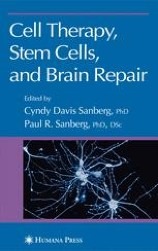
Cell Therapy, Stem Cells and Brain Repair
As our world continues to evolve, the field of regenerative medicine f- lows suit. Although many modern day therapies focus on synthetic and na- ral medicinal treatments for brain repair, many of these treatments and prescriptions lack adequate results or only have the ability to slow the p- gression of neurological disease or injury. Cell therapy, however, remains the most compelling treatment for neurodegenerative diseases, disorders, and injuries, including Parkinson’s disease, Huntington’s disease, traumatic brain injury, and stroke, which is expanded upon in more detail in Chapter 1 by Snyder and colleagues. Cell therapy is also unique in that it is the only therapeutic strategy that strives to replace lost, damaged, or dysfunctional cells with healthy ones.
