



الصفحة 1
الصفحة 1

Stem cell production : Processes, practices and regulations
Examines the technologies and processes for the development and commercial production of stem cells according to cGMP guidelines. The initial chapter of the book discusses the therapeutic potentials of stem cells for the treatment of various diseases, including degenerative disorders and genetic diseases. The book then reviews the recent developments in the cultivation of stem cells in bioreactors, including critical cultural parameters, possible bioreactor configuration and integrations of novel technologies in bioprocess developmental stages. The book also introduces microscopic, molecular, and cellular techniques for characterization of stem cells for regulatory approvals. Further, it describes optimal cell transporting conditions to maintain cell viability and properties. Further, it summarizes characterization strategies of clinical grade stem cells for stem cell therapy. This book is an invaluable contribution to having an academic and industrial understanding with respect to R&D and manufacturing of clinical grade stem cells.

Sickle cell anemia : A New era of awareness in Syria
In industrialized countries, about 3% of pregnancies result in significant genetic diseases or birth defects, leading to severe conditions or early death. The prevalence of SCA is estimated by Friends of Thalassemia and Genetic Blood Disorders Association at 2,500 patients in Syria, with 500 in Damascus, and cases are increasing. The high rate of consanguinity suggests a higher prevalence of these disorders, imposing substantial medical, financial, and emotional burdens.

Premarital Testing And It’s Importance
Premarital screening aims primarily to give couples (who are planning to get married soon) medical consultation on the odds of transmitting genetic diseases to their children. Given that consanguineous marriages are so common in the Middle East and children of consanguineous marriages are at increased risk for genetic diseases and congenital malformations, and due to its impacts on public health, it is important to educate couples, providing accurate and unobvious information. It offers a crucial health assessment of soon-to-be married couples in which they are tested for genetic(Thalassemia and Sickle Cell Anemia), infectious (Hepatitis B, Hepatitis C and HIV) and transmissible diseases.

Physicians Guide to the Treatment and Follow-Up of Metabolic Diseases
Until the mid-twentieth century, hereditary metabolic and other genetic diseases were considered to be purely “genetic” problems. Destiny would take its course, treatment did not exist, and genetic counseling about recurrence risks was virtually all that could be offered. Phenylketonuria (PKU) was then shown to be a treatable genetic disease in which early diagnosis and effective treatment prevented the disease (mental retardation) in PKU. Other genetic diseases for which an environmental experience was an essential component of cause (e. g. , exposure to a dietary component or a drug) were then seen to yield to treatment.

Pathological basis of oral and maxillofacial diseases
A comprehensive guide for integrating pathology into a clinical setting. Presents the basic principles involved in disease mechanisms in an easy-to-understand way. By integrating recent advances in molecular, immunologic, and genetic understanding of oral disease, the book helps readers enhance their knowledge and its application in a clinical setting. This book is divided into nine sections, covering key topics such as inflammation, genetic diseases, and neoplasia, with contributions from over 50 international authors.

Molecular genetics, structures, mechanisms, and functions : Principles of gene manipulation and genomics ; Vol.1
Provides an overview of the future of genetic engineering and delves into the role of biotechnology and its applications in genetic engineering. It discusses the tools of recombinant technology, which have brought about revolution in our understanding of various complex biological phenomena. Chapters cover mutagenesis, construction, and sequencing of DNA libraries along with applications of genetic engineering for improving health, preventing genetic diseases, enhancing food resources, managing environmental bioremediation, and more. Topics include genetic engineering tools for restriction enzymes and vectors, gene and cell division, mutation detection and screening in plants, population genetics, sexuality in bacteria, and more. Several chapters focus on the tools of recombinant technology, such as restriction enzymes, vectors, etc., that have paved the way for creating organisms of choice and opened new horizons in the field of medicine, agriculture, and industry for human welfare.

Medicina delletà prenatale : Prevenzione, diagnosi e terapia dei difetti congeniti e delle principali patologie gravidiche = Prenatal medicine: Prevention, diagnosis and therapy of congenital defects and the main pathologies of pregnancy
This text aims to respond to the actual need to bring together in a single and updated reference text notions and data from different backgrounds, all essential for optimal monitoring of pregnancy.

Inherited inborn errors in amino acids metabolism
Proteins are the most abundant organic molecules in animals, playing important roles in all aspects of cell structure and function. Proteins are biopolymers of acids, so named because the amino group is bonded to the carbon atom, next to the carbonyl group.

Homocysteine
Homocysteine is a non-proteinogenic α-amino acid. It is a homologue of the amino acid cysteine, differing by an additional methylene bridge (-CH2-). It is biosynthesized from methionine by the removal of its terminal methyl group. In the body, Homocysteine (HCY) can be recycled into methionine or converted into cysteine with the aid of certain B-vitamins. A high level of Homocysteine in the blood (hyperhomocysteinemia) makes a person more prone to endothelial cell injury, which leads to inflammation in the blood vessels, which in turn may lead to atherogenesis, which can result in ischemic injury. Therefore, hyperhomocysteinemia is a possible risk factor for coronary artery disease (CAD). Coronary artery disease occurs when an atherosclerotic plaque blocks blood flow to the coronary arteries, which supply the heart with oxygenated blood.
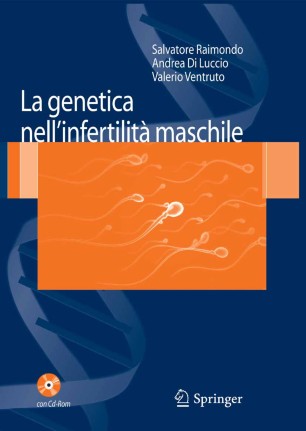
La genetica nell’infertilità maschile = Genetics in male infertility
The notable recent cognitive advances in the field of cytogenetics and molecular genetics have made it possible to identify chromosomal anomalies and gene mutations responsible for numerous male infertility, which were completely ignored until recently. The fact is not without relevance, if the principle is valid that the recognition of the causes of a disease is also the first and necessary approach towards its correct therapy. With this publication, the authors wanted to offer specialists working in the field of assisted reproduction an update on this complex subject, dealing with both genetic causes in male infertility and infertility in genetic diseases.

Clinical metabolomics applications in genetic diseases
Helps readers discover the forefront of personalized medicine on clinical metabolomics and its applications in genetic diseases. This comprehensive guide offers a functional relationship map between cell components and genetic variations in various diseases, providing insights that can be applied to personalized medicine. Covers the latest developments in metabolomics for health, with practical guidance for clinical experts looking to advance their laboratory techniques and career. The metabolomics profile is a powerful tool that has revolutionized our understanding of the relationship between genetics, clinical readouts, and disease outcomes. By integrating metabolomics with genomics and clinical phenotypes, the authors have developed diagnostic and prediction models that have vastly improved patient outcomes and deepened the understanding of disease mechanisms.
Alternative Splicing and Disease
Splicing of primary RNA transcript, i.e. removal of introns and joining of exons to produce mature mRNAs competent for translation into proteins, is a quasi-systematic step of gene expression in higher organisms. However, this process is not unequivocal but can follow alternate pathways. Alternative splicing of a given transcript can therefore yield several distinct mRNAs encoding as many different proteins. Its full biological significance has not been appreciated until it was recognized that alternative splicing is so general as to affect about 75% of all human genes. Therefore, alternative splicing not only vastly increases protein diversity but also offers numerous opportunities for aberrant splicing events with pathological consequences.
