


تحسين النتائح
ترتيب حسب
من
الى

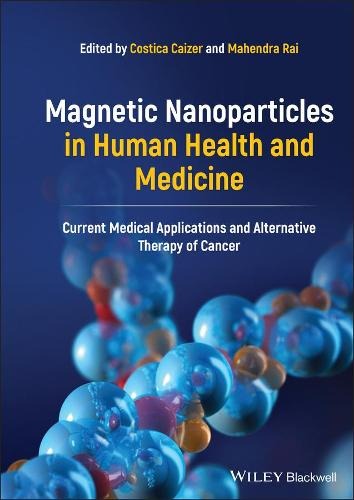
Progress in improving diagnosis by magnetic resonance imaging (MRI) and using non-invasive and non-toxic magnetic nanoparticles for targeted drug delivery. Focusing on cancer diagnosis and therapy, the book covers both fundamental principles and advanced theoretical and experimental research on the magnetic properties, biocompatibilization, biofunctionalization, and application of magnetic nanoparticles in nanobiotechnology and nanomedicine.

Leptomeningeal Metastases provides the reader with an overview of the state-of-the-art therapy for the leptomeningeal patient with additional information on epidemiology, symptom management, new clinical trials, and current basic research in animal models for experimental therapies. "Leptomeningeal metastases remains a devastating manifestation of hematologic malignancies and solid tumors. Leading figures in the field review the pathophysiology and clinical consequences of this process. State-of-the-art treatment strategies are presented highlighting advances in current management."

The various consequences on the anatomy and physiology of the female genitalia, as well as male, of children exposed in utero are reviewed. The impact on girls is greater than on boys: modification of the uterine cervix, reduction in the volume of the uterus with its consequences on fertility and the progress of pregnancies, risk of cancer of the vagina and the cervix. . The potential repercussions on the third generation are analyzed from experimental studies. Finally, the medico-legal implication is studied from the various trials that took place in the United States and from the first French trial that took place in Nanterre in November 2003. This work is the result of the collaboration of several experts recognized for their competence in this field. It will be of interest to all obstetrician gynecologists, urologists, but also public health physicians and midwives.
Fifteen years after the first experiments, the breast cancer screening program was rolled out in France in 2004. It is aimed at more than eight million women aged 50 to 74. Public health action on such a scale is exemplary in Europe and especially in France where the health system is not centralized. The new edition of this book takes stock of the current state of the program and its initial results. It updates technical and radiological aspects, assessment indicators, communication and forensic problems and finally the progress of foreign programs. The history of the French program is detailed from the 1990s until 2006, with the publication of the latest version of the specifications by the Directorate General of Health. The short and medium term objectives are re-specified: to increase the participation of women, to retain them and to further improve the quality of practices. The challenge is to combine the performance of screening and therapeutic management to finally achieve a clear reduction in mortality, which has remained stable for twenty years.
This updated volume presents experimentation-based approaches to lactic acid bacteria (LAB) research. Split into three parts, the book explores techniques for analyzing lactic acid bacteria metabolism and characteristics, applications for food-related industries, such as yogurt production, beer, and wine making, and functions of LAB in human health. Written for the highly successful Methods in Molecular Biology series, chapters include introduction to their respective topic, lists of the necessary materials and reagents, step-by-step and readily reproducible laboratory protocols, and tips on troubleshooting and avoiding known pitfalls.

The aim of this book is to make current data from the experimental and clinical literature accessible to readers. More than a thousand articles are published each year on the theme and the authors aim to synthesize this information. These data relate in particular to the identification of early markers of renal dysfunction without which screening, recognition of the main pathophysiological determinants and prevention remain uncertain. This book focuses attention on clinical situations characterized by the renal impact of the main dysfunctions of vital functions, the prognosis of which is worsened by the occurrence of this renal failure. The following will be treated in particular: the renal consequences of oxidative stress, the renal consequences of respiratory dysfunction, cardiac dysfunction, hepatic dysfunction, alterations in hemostasis, septic shock and hemorrhagic shock. Finally, the physiopathological data from experimental models are gradually finding their echo in the clinical field, opening up therapeutic avenues whose recent evaluations will be analyzed.
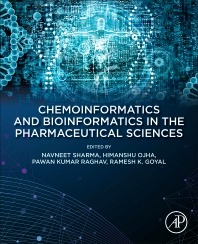
Chemoinformatics and Bioinformatics in the Pharmaceutical Sciences brings together two very important fields in pharmaceutical sciences that have been mostly seen as diverging from each other: chemoinformatics and bioinformatics. As developing drugs is an expensive and lengthy process, technology can improve the cost, efficiency and speed at which new drugs can be discovered and tested. This book presents some of the growing advancements of technology in the field of drug development and how the computational approaches explained here can reduce the financial and experimental burden of the drug discovery process.

Cell Surface Receptors: A Short Course on Theory and Methods, 3rd Edition, links theoretical insights into drug-receptor interactions described in mathematical models with the experimental strategies to characterize the biological receptor of interest.

The molecular mechanisms controlling cell cycle progression are highly conserved in eukaryotes. In addition to the basic protein machinery involved in cell cycle regulation, higher plants have also evolved unique molecular mechanisms that allow integration of environmental, physiological, and developmental signals into networks to control proper cell division and expansion. Rapid and exciting research progress in these fields has been achieved from experimental observations on plants over the past decade. The scope of this volume is focused on the molecular basis of all aspects of cell division and cytokinesis in plants. It is an essential reference book for instructors and scientists working in the areas of molecular, cell, and developmental biology of plants. The editors of this book are veterans in the field of plant molecular biology and highly respected worldwide.
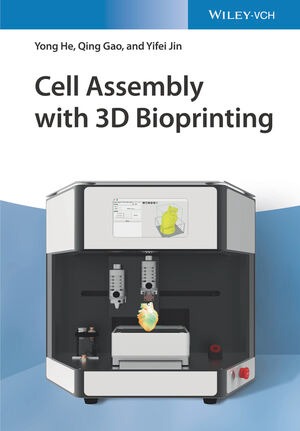
Detailed, highly illustrated chapters cover different bioprinting approaches and their applications, including coaxial bioprinting, digital light projection, direct ink writing, liquid support bath-assisted 3D printing, and microgel-, microfiber-, and microfluidics-based biofabrication. The book includes practical examples of 3D bioprinting, a protocol for typical 3D bioprinting, and relevant experimental data drawn from recent research.
This comprehensive volume, written by experts in the field, covers nearly all aspects of ongoing research related to the CD137 pathway. Recent research has shown that the manipulation of CD137 pathway molecules is very promising in the treatment of cancer, viral infection, transplantation rejection and autoimmune diseases in experimental animal models. The volume includes research related to the identification and understanding of functional consequences of CD137 receptor and ligand molecules which represents a major effort in the field of immunology. CD137 Pathway: Immunology and Diseases is an ideal book for immunologists, microbiologists, cancer researchers, molecular biologists, biochemists, and pharmaceutical and biotechnology company scientists.

It is one of the major "classics" of the neurological world. Even today it forms the basis for so-called "localisation" of function in the cerebral cortex. Brodmann's "areas" are still used to designate functional regions in the cortex, the part of the brain that brings the world that surrounds us into consciousness, and which governs our responses to the world. For example, we use "area 4" for the "motor" cortex, with which we control our muscles, "area 17" for "visual" cortex, with which we see, and so on. This nomenclature is used by neurologists and neurosurgeons in the human context, as well as by experimentalists in various animals. Indeed, Brodmann's famous "maps" of the cerebral cortex of humans, monkeys and other mammals must be among the most commonly reproduced figures in neurobiological publishing. The most famous of all is that of the human brain. There can be few textbooks of neurology, neurophysiology or neuroanatomy in which Brodmann is not cited, and his concepts pervade most research publications on systematic neurobiology.

New findings in brain research are being revealed on an almost daily basis, and the focus of this book is the fields of breathing, neuroprotection, and higher brain functions. An unresolved issue within respiration research and hence a topic of much interest is Where and how respiratory rhythm is generated in the brainstem, detailed analysis of which is presented herein. Chapters on neuroprotection examine the functional significance of the blood – brain barrier as an interface of blood and the central nervous system; other chapters look at health and disease in relation to the hypothalamic and limbic systems. In addition to animal experiments, research on the human brain is included, with a focus on the recently developed EEG/dipole tracing method. This book will be an invaluable reference for researchers in neuroscience and related fields.

Branching morphogenesis, the creation of branched structures in the body, is a key feature of animal and plant development. This book brings together, for the first time, expert researchers working on a variety of branching systems to present a state-of-the-art view of the mechanisms that control branching morphogenesis. Systems considered range from single cells, to blood vessel and drainage duct systems to entire body plans, and approaches range from observation through experiment to detailed biophysical modelling. The result is an integrated overview of branching.
Brain Repair, addresses all relevant issues underlying the mechanisms of brain damage, brain plasticity and post-traumatic reorganisation after CNS lesions. This book is divided the three major sections that follow; cellular and molecular basis of brain repair, plasticity and reorganisation of neural networks, and experimental therapy strategies. Brain Repair is written by high profile, international experts who describe in detail the newest results from basic research and highlight new model systems, techniques and therapy approaches. Based on a careful analysis of the cellular and molecular reaction patterns of the CNS to lesions, the contributions cover possibilities for endogenous reorganisation and repair as well as exciting new therapies emerging from basic research, some of which have already been introduced into the clinics.
Since the first volume on Biophysical Techniques in Photosynthesis Research, published in 1996, new experimental techniques and methods have been devised at a rapid pace. The present book is a sequel which complements the first volume (Volume 3 in the Series) by providing a comprehensive overview of the most important new techniques developed over the past ten years, especially those that are relevant for research on the mechanism and fundamental aspects of photosynthesis. The contributions are written by leading scientists in their field. The book has 5 sections: Imaging; Structure; Optical and laser spectroscopy; Magnetic resonance; Theory. Each chapter describes the basic concepts of the technique, practical applications and scientific results. Possibilities and limitations from a technical as well as a scientific point of view are addressed, allowing the reader not only to recognize the potential of a particular method for his/her own quest, but also to assess the resources that are required for implementation. The book is intended for use by graduate students and researchers in photosynthesis as well as in (bio)physics, (bio)chemistry and biology in general.
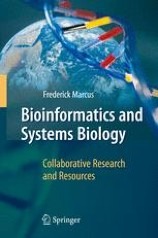
Collaborative research in bioinformatics and systems biology is a key element of modern biology and health research. This book highlights and provides access to many of the methods, environments, results and resources involved, including integral laboratory data generation and experimentation and clinical activities. Collaborative projects embody a research paradigm that connects many of the top scientists, institutions, their resources and research worldwide, resulting in first-class contributions to bioinformatics and systems biology. Central themes include describing processes and results in collaborative research projects using computational biology and providing a guide for researchers to access them. The book is also a practical guide on how science is managed. It shows how collaborative researchers are putting results together in a way accessible to the entire biomedical community.
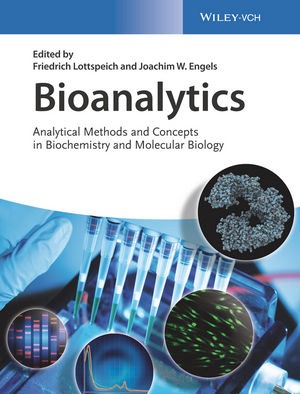
Analytical methods are the essential enabling tools of the modern biosciences. This book presents a comprehensive introduction into these analytical methods, including their physical and chemical backgrounds, as well as a discussion of the strengths and weakness of each method. It covers all major techniques for the determination and experimental analysis of biological macromolecules, including proteins, carbohydrates, lipids and nucleic acids.
Concise and up-to-date coverage of the most important drugs Integration of experimental and clinical pharmacology with focus on diseases Discusses the most important drugs (400) in the context of relevant diseases. Summary tables and schemes, MCQ exam questions, case studies and a list of drugs aid memorization of the material before an exam. All chapters are written in the same concise style and use a modern and precise pharmacological nomenclature. After reading of the book, the student will be able to critically assess the proper use of the most important drugs and advise patients properly. The didactic concept of the book has been developed on the author’s own pharmacology courses for which he has received numerous teaching awards. The book takes advantage of the learning spiral, in which material is presented repeatedly from various angles.
Details new and updated experimental approaches for isolating, formulating, and engineering bacteriophage medicinal products. Authored by leading experts and written in the highly successful Methods in Molecular Biology series format, each chapter includes introductions to their respective topics, lists of the necessary materials and reagents, step-by-step reproducible laboratory protocols, and valuable tips for troubleshooting and avoiding known pitfalls.

سوريا - اتستراد درعا - غباغب
+963-15 2050 - 15 860 380 /1/2/3 - 11 662 3900