


تحسين النتائح
ترتيب حسب
من
الى

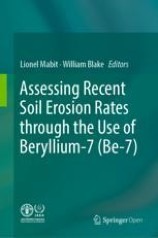
This book is the first comprehensive guideline for the beryllium-7 (Be-7) technique that can be applied to evaluate short-term patterns and budgets of soil redistribution in agricultural landscapes. While covering the fundamental and basic concepts of the approach, this book distinguishes itself from other publications by offering step-by-step instructions on how to use this isotopic technique effectively. It covers experimental design considerations and clear instruction is given on data processing. As accurate laboratory measurement is crucial to ensure successful use of Be-7 to investigate soil erosion, a full chapter is devoted to its specific determination by gamma spectrometry.
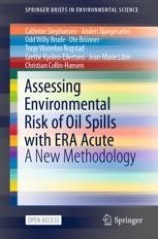
This book introduces readers to a new methodology for assessing the risks to the marine environment following accidental oil spills. The methodology will soon be implemented on the Norwegian Continental Shelf and will be complemented by guidelines for its use in a regulatory framework.
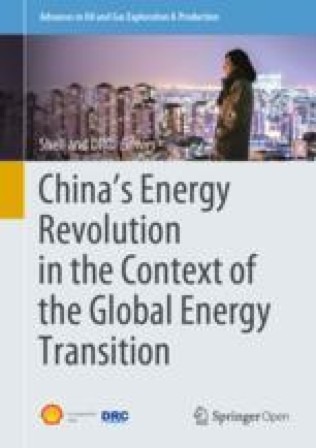
This book is an encyclopaedic analysis of the current and future energy system of the world’s most populous country and second biggest economy. What happens in China impacts the planet. In the past 40 years China has achieved one of the most remarkable economic growth rates in history. Its GDP has risen by a factor of 65, enabling 850,000 people to rise out of poverty.
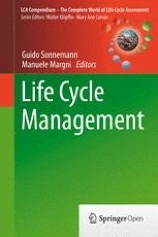
This book provides insight into the Life Cycle Management (LCM) concept and the progress in its implementation. LCM is a management concept applied in industrial and service sectors to improve products and services, while enhancing the overall sustainability performance of business and its value chains. In this regard, LCM is an opportunity to differentiate through sustainability performance on the market place, working with all departments of a company such as research and development, procurement and marketing, and to enhance the collaboration with stakeholders along a company’s value chain. LCM is used beyond short-term business success and aims at long-term achievements by minimizing environmental and socio-economic burden, while maximizing economic and social value.

سوريا - اتستراد درعا - غباغب
+963-15 2050 - 15 860 380 /1/2/3 - 11 662 3900