


تحسين النتائح
ترتيب حسب
من
الى

Healthcare quality is not a new issue, but it is often underestimated. The doctor focuses on his relationship with the patient, and is led to believe that technique and technology are sufficient to guarantee effective and efficient performance, regardless of the organizational system. Quality understood as "Total Quality Management" is a way to cross a border, to create knowledge, to break the armor of self-referentiality and that individualistic vision of work learned during university studies and consolidated by professional practice. The path of professional peer accreditation is the tool that the scientific society Associazione Medici Diabetologi has developed and provided to diabetologists to facilitate the understanding of ways of looking at the world of healthcare that are different from those they usually use.

The discovery of leptin little more than a decade ago, as a hormone produced in white adipose tissue with an important role in satiety and energy expenditure, was a seminal event in our understanding of adiposity. This initial advance in the new endocrinology of obesity was soon followed by the realization that leptin was not only produced in adipose tissue, but in many different tissues of the body, and that receptors were similarly distributed. Additionally, the early recognition of infertility that was associated with leptin deficiency prompted research that identified roles for the polypeptide in virtually every area of reproductive biology.
The notable recent cognitive advances in the field of cytogenetics and molecular genetics have made it possible to identify chromosomal anomalies and gene mutations responsible for numerous male infertility, which were completely ignored until recently. The fact is not without relevance, if the principle is valid that the recognition of the causes of a disease is also the first and necessary approach towards its correct therapy. With this publication, the authors wanted to offer specialists working in the field of assisted reproduction an update on this complex subject, dealing with both genetic causes in male infertility and infertility in genetic diseases.
Including questions based on the latest National Institute for Health & Care Excellence (NICE), Joint British Diabetes Societies (JBDS) & Endocrine Society clinical practice guidelines. Includes 20 more questions on diabetes to reflect the increased weighing given to this subject in the SCE exam. New tables and algorithms have been added to provide specialty trainees useful information relevant to clinical practice
Autoimmune Diseases in Endocrinology is a comprehensive and novel text that examines key features that predispose individuals to autoimmune diseases.
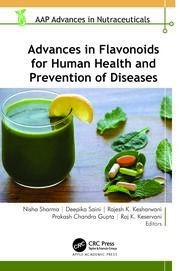
In response to the recent upsurge of interest in the therapeutic potential of medicinal plants, with their promising phenolic compounds, this new book offers an important overview of advances in the applications of flavonoids for health. The book explores the nutritional and pharmacological properties of polyphenols and flavonoids, including their ability to prevent the start and development of diseases and how they aid in the management of several chronic pathological illnesses, including cancer, diabetes, cardiovascular disease, neuro-degenerative illness and aging, pregnancy-induced disorders, and others. Also discussed in depth are the properties, classes, and degrees that formulate a phenolic compound and which subsequently supports the development of drugs/products with health benefits.
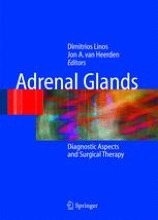
Surgery of the Adrenal Glands is a comprehensive medical textbook that includes everything that a surgeon, but for all purposes any physicain or medical student, may want to find on adrenal surgery in a friendly, up to date, evidence based manner. 30 of the most renowned names in the field of adrenal surgery from the US and Europe draw on their experience in exploring diagnosis, indications for surgery, choice of operation and operative techniques, and surgical outcomes for every major adrenal condition. Over 200 exquisite illustrations, ranging from intraoperative photographs, line drawings, diagnostic images, pathology slides, tables and graphs are available to make each case discussed comprehensible and easy to follow. Traditional and novel therapeutic recommendations are introduced and the latest developments in minimal-access operative techniques are discussed and reviewed. Finally, the best approaches in dealing with challenging conditions such as adrenal incidentaloma, subclinical Cushing's syndrom, Congenital Adrenal Hyperplasia, Mineralcorticoid Express Syndrome, Extraadrenal and Malignant Pheochromocytoma are discussed.
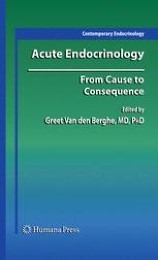
The integration of endocrinology in critical care medicine has led to new experimental and clinical data on the complex endocrine and metabolic derangements accompanying non-endocrine severe illnesses. The joining of these two disciplines has generated important novel insights with significant clinical implications. Acute Endocrinology: From Cause to Consequence compiles these new findings into an important and highly relevant new resource.
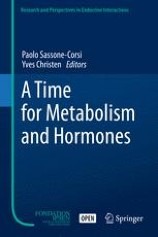
Recent years have seen spectacular advances in the field of circadian biology. These have attracted the interest of researchers in many fields, including endocrinology, neurosciences, cancer, and behavior. By integrating a circadian view within the fields of endocrinology and metabolism, researchers will be able to reveal many, yet-unsuspected aspects of how organisms cope with changes in the environment and subsequent control of homeostasis. This field is opening new avenues in our understanding of metabolism and endocrinology. A panel of the most distinguished investigators in the field gathered together to discuss the present state and the future of the field. The editors trust that this volume will be of use to those colleagues who will be picking up the challenge to unravel how the circadian clock can be targeted for the future development of specific pharmacological strategies toward a number of pathologies.

سوريا - اتستراد درعا - غباغب
+963-15 2050 - 15 860 380 /1/2/3 - 11 662 3900