



الصفحة 1
الصفحة 1

Fundamentals of fixed prosthodontics
A popular undergraduate text reflects research, materials, and techniques in fixed prosthodontics, with the addition of more than 350 new illustrations and three new chapters on the restoration of implants. It is designed to serve as an introduction to restorative dentistry techniques using fixed partial dentures and cast metal, metal-ceramic, and all-ceramic restorations, providing the background knowledge needed by the novice and serving as a refresher for the practitioner or graduate student.

Extra-coronal restorations : Concepts and clinical application
A clinical guide to contemporary materials and techniques for the restoration of individual teeth and implants. It fully reflects the important developments in the field over the past 15 years, including in particular the shift away from wholesale use of crowns towards adhesive dentistry and less invasive extra-coronal restorations. The book opens by considering the principles and evidence base relating to the longevity of restorations of teeth and implants. Importantly, it explains how to ensure "a healthy start" and manage future risks. Material choice and aesthetic issues are then discussed, before all aspects of the planning and provision of extra-coronal restorations are examined in depth. The coverage also includes the adaptation of crowns to existing partial dentures. In line with modern dental education, each chapter begins with clinically relevant learning objectives, and helpful clinical tips are highlighted.

Digital Restorative Dentistry : A Guide to Materials, Equipment, and Clinical Procedures
Offers up-to-date, readily understandable guidance on the materials and equipment employed in digital restorative dentistry and on the specific clinical procedures that may be performed using the new technologies. The key components of digital restorative dentistry – image acquisition, prosthetic/restorative design, and fabrication – are fully addressed. Readers will find helpful information on scanners, the software for prosthetic design, and the materials and technologies for prosthesis fabrication, including laser sintering, 3D printing, CAD/CAM, and laser ablation. The section on clinical procedures explains all aspects of the use of digital technologies in the treatment of patients requiring removable partial dentures, complete dentures, fixed partial prostheses, crowns, endodontics, and implant surgery and prosthodontics. The field of restorative and prosthetic dentistry is undergoing rapid transition as these new technologies come to play an increasingly central role in everyday dental practice. In bridging the knowledge gap that this technological revolution has created in the field of dentistry, the book will satisfy the needs of both dentists and dental students.

Diastema (diagnosis & management)
Management strategies for midline diastema include addressing the underlying cause, habit correction, and potential orthodontic or restorative treatments. Orthodontic options like traditional braces, clear aligners, and lingual braces are effective in closing the gaps. Restorative treatments such as composite bonding, porcelain veneers, and ceramic crowns also offer solutions, with each method tailored to the patient’s specific needs. Despite numerous studies on environmental factors influencing diastema, the genetic basis remains under researched. Proper diagnosis, treatment planning, and long-term retention are crucial for successful diastema management.

Crown lengthening by diode laser
Crown lengthening is a surgical technique aimed at increasing the amount of supragingival tooth structure for restorative or aesthetic purposes. it involves the removal of hard and soft periodontal tissue to expose more tooth structure above the gum line , allowing for longer clinical crowns and maintaining the biologic width .Various methods such as scalpel ,electrosurgery and laser can be employed for crown lengthening , with lasers offering several advantages over traditional techniques , including precision , minimal bleeding ,sterilization ,reduced swelling and scarring , coagulation ,vaporization ,and ,minimal postoperative pain .

Contemporary restoration of endodontically treated teeth : evidence-based diagnosis and treatment planning
Traditional principles and techniques are reviewed and reinforced, along with modern materials and methods, all with a firm foundation in the best available scientific evidence and with an emphasis on clinical studies. Many of the chapters provide comprehensive, step-by-step descriptions of technical procedures with accompanying illustrations to guide the reader through every stage of restoring pulpless teeth, including fabrication of various foundation restorations, cementation techniques, and methods of provisionalization.
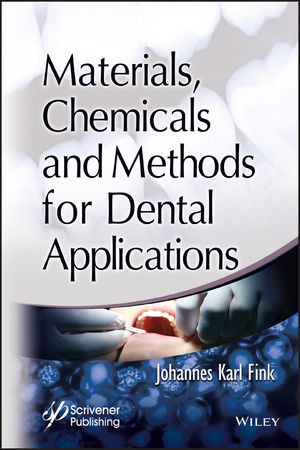
Materials, Chemicals and Methods for Dental Applications
Focuses on the materials used for dental applications looking at the fundamental issues and the developments that have taken place the past decade. While it provides a broad overview of dental materials, the chemicals that are used for the preparation and fabrication of dental materials are explained as well. Also, the desired properties of these materials are discussed and the relevance of the chemical, physical, and mechanical properties is elucidated. Methods for the characterization and classification, as well as clinical studies are reviewed here. In particular, materials for dental crowns, implants, toothpaste compositions, mouth rinses, as well as materials for toothbrushes and dental floss are discussed. For example, in toothpaste compositions, several classes of materials an chemcials are incorporated, such as abrasives, detergents, humectants, thickeners, sweeteners, coloring agents, bad breath reduction agents, flavoring agents, tartar control agents, and others. These chemicals, together with their structures, are detailed in the text.
Management of deep carious lesions
Describes the challenges that deep carious lesions pose for dental practitioners, including the risk of endodontic complications and the difficulty of restorative treatment, and identifies options for overcoming these challenges on the basis of the best available evidence. The opening chapter sets the scene by discussing pathophysiology, histopathology, clinical symptomatology, and treatment thresholds. The various treatment options are then systematically presented and reviewed, covering non-selective, stepwise, and selective carious tissue removal and restoration, sealing of lesions using resin sealants or crowns, and non-restorative management approaches. In each case the current evidence with respect to the treatment is carefully evaluated. Advantages and disadvantages are explained and recommendations made on when to use the treatment in question. Illustrative clinical cases and treatment pathways for clinicians are included. This book will be of value for all practitioners who treat dental caries and carious lesions, whether in the permanent or the primary dentition. It will also be of interest to under- and postgraduate students in cariology and restorative, operative, preventive, and pediatric dentistry.
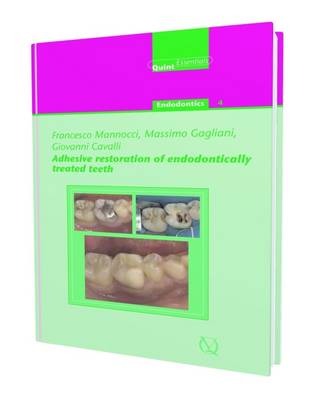
Adhesive restoration of endodontically treated teeth
Dentine bonding systems, composite resins and fibre posts have widely replaced cast posts and amalgam as core materials; all-ceramic and composite crowns have also replaced metal ceramic crowns in many aesthetic cases. The aim of this book is to provide the general practitioner with some principles and techniques for the adhesive restoration of root filled teeth.
