


تحسين النتائح
ترتيب حسب
من
الى


Mass immunization is the blitzkrieg of vaccination practice. It serves to rapidly protect populations, both because of the high coverage achieved and because of the herd immunity thereby induced. However, as in war, mass immunization campaigns must be conducted intelligently, with careful strategy and strong attention to logistics of supply and deployment. If conducted badly, mass immunization may fail or even be counter-productive. In this volume, some of the most successful practitioners of mass im- nization tell us about its art and science. David Heymann and Bruce Aylward of WHO begin the book with a theoretical and practical overview of mass immunization. Michael Lane, who participated in the successful effort to eradicate smallpox relates how this was done using mass vaccination and other strategies. Application of mass immunization by the US military is c- ered by John Grabenstein and Remington Nevin, who have a large experience in these matters. Karen Noakes and David Salisbury recount the striking s- cesses of mass immunization in the United Kingdom. The global control of the clostridia that produce diphtheria toxin is described by Charles Vitek. Hepa- tis A is decreasing dramatically under the impact of large-scale vaccination, as Francis André illustrates. The French experience with Hepatitis B vac- nation has been mixed, and François Denis and Daniel Levy-Bruhl explain the circumstances. In?uenza vaccination is an annual example of large-scale campaigns, the complexity of which is recounted by Benjamin Schwartz and Pascale Wortley.

Although primarily used today as one of the most prevalent illicit leisure drugs, the use of Cannabis sativa L., commonly referred to as marijuana, for medicinal purposes has been reported for more than 5000 years. Marijuana use has been shown to create numerous health problems, and, consequently, the expanding use beyond medical purposes into recreational use (abuse) resulted in control of the drug through international treaties. Much research has been carried out over the past few decades following the identification of the chemical structure of THC.The purpose of Marijuana and the Cannabinoids is to present in a single volume the comprehensive knowledge and experience of renowned researchers and scientists. Each chapter is written independently by an expert in his/her field of endeavor, ranging from the botany, the constituents, the chemistry and pharmacokinetics, the effects and consequences of illicit use on the human body, to the therapeutic potential of the cannabinoids.
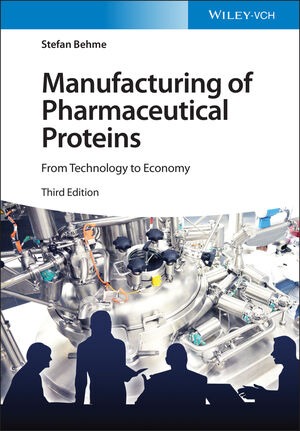
Manufacturing of Pharmaceutical Proteins: From Technology to Economy, renowned chemical engineer Dr. Stefan Behme delivers a comprehensive text covering all aspects of biopharmaceutical manufacturing, including legal and regulatory considerations, production facility design, quality assurance, supply chain management, emerging market regulations, and cost control.

Frequent headaches seriously affect the lives of millions of sufferers. The result can be lost productivity and income, restrict activity, lower self-esteem, and even social isolation. For many, it takes years to find the appropriate medication to manage your headaches effectively. In Managing Your Headaches, Mark and Leah Green and John Rothrock explain what information you should record for your physician, what a physician is looking for in a neurological examination, and what you should (and should not) do to reduce the frequency and severity of your headaches. They discuss the effects of stress, psychological factors, possible food triggers, and environmental risk factors. The authors explain the symptoms of migraine, cluster, and tension-type headaches as well as less common types. They address common concerns and misconceptions and explain current knowledge about headache causes in understandable terms. The newest, most effective medications and their possible side effects are evaluated. The authors also explain how to prevent rebound headaches from over-medications and how non-medical treatments can be of value. Managing Your Headaches will tell you what you need to know to better control your headaches. Armed with the information in this book, you can be aware of the latest treatment options and can have more productive, informed discussions with your physician.

Recent developments in the research on magnetotactic bacteria are presented in this volume. Included are reviews on the formation and organization of magnetosomes, the genes controlling magnetosome biomineralization, and new cryogenic techniques to visualize novel cytoskeleton structures. Described here are potential nanobiotechnological applications of the magnetosome crystals, which have magnetic and crystalline characteristics unmatched by their inorganic counterparts.
A host of studies has unravelled the involvement of many genes in the left right patterning pathway. Based on this knowledge the genetic basis of human laterality defects are beginning to be revealed. It is a major challenge now to understand how all these genes control left right development as well as the complex set of interactions established between them.

In Laboratory Control System Operations in a GMP Environment, readers are given the guidance they need to implement a CGMP compliant Laboratory Control System (LCS) that fits within Global Regulatory guidelines. Using the Quality Systems Approach, regulatory agencies like the FDA and the European Medicine Agency have developed a scheme of systems for auditing pharmaceutical manufacturing facilities which includes evaluating the LCS.

Patients with cerebral palsy (CP) face numerous neuromotor problems related to brain damage, the functional consequences of which, in the early years of life, impact the acquisition of walking. A better understanding of gait and its levels of control, along with refined and quantified clinical analysis in the laboratory, allows for the definition of therapeutic options in collaboration with the patient, their family, and the healthcare team. Managing muscle tone disorders and neuro-orthopedic problems is a daily challenge for patients at all ages. Patients with CP increasingly benefit from new drug therapies, regular adjustments of walking aids and orthotics, and specific rehabilitation, sometimes combined with surgical procedures, whether orthopedic or neurological. This book reviews the evolution of knowledge and practices.

As clinical and rehabilitation practice shows, children with dyspraxia are unable to plan and organize an action plan; they cannot control what they are doing during an action; therefore, they cannot do something, but we could also admit that they cannot yet do something; that is, they have not yet learned to perform functions. Functions and actions, however, can be learned and performed with the help of targeted exercises performed consistently. It is, however, essential to recognize the difficulties children with dyspraxia face when faced with new, unusual tasks. The author proposes an assessment and intervention model that takes into account etiological and neuropsychological hypotheses, emphasizing the need to proceed with an analysis on multiple levels: perceptual, motor, and representational. Particular importance is given to early diagnosis and intervention to define and implement appropriate treatment plans. The work concludes with the analysis and description of clinical cases related to some specific forms of dyspraxia: verbal dyspraxia and dysgraphia.

Millions of people have already benefited from the low-carb ketogenic diet. They’ve lost weight, increased their energy levels, got their Type 2 diabetes under control, and so much more. And if you’re looking for an easy and fun way to get started with keto. n this book, you’ll find 150 delicious keto recipes, from cheesy egg casserole to a keto-inspired berry cobbler. You’ll also discover expert tips on meal planning and preventing common ailments with simple adjustments to your diet. You’ll even learn how to use your Instant Pot and air fryer to make full-flavor, low-carb keto dishes.

It is evident that a defective or deregulated complement system results in kidney diseases. An important role of complement effector and regulatory proteins in pathological settings of the kidney has been demonstrated. A large panel of distinct human kidney diseases is caused by defective complement control. Genetic analyses have identified mutations in complement regulators that are associated with these diseases. Mutations have been identified in the fluid phase alternative pathway regulator Factor H and the membrane regulator Membrane Cofactor Protein MCP (CD46). The functional characterization of the mutant proteins allows to define the pathophysiological events on a molecular level. These new concepts and data on disease mechanisms allowed establishing new diagnostic and promising therapeutic approaches for several human kidney diseases. Molecular biology, clinics and therapy are discussed in this volume.

This book reviews the interagency research and development effort on classical biological control in the USA from 1992-2002. The successful exploration, importation, screening, evaluation, rearing, and establishment of at least five exotic Bemisia. tabaci natural enemies in rapid response to the devastating infestations in the USA is a landmark in interagency cooperation and coordination of multiple disciplines. In this volume, the various authors present detailed reviews of natural enemy exploration, introduction, and evaluation efforts that will serve as a guide to support and encourage classical biological control inputs into other integrated pest management systems.

The discovery of interleukin-8 close to 20 years ago initiated a new field of research touching on many aspects of immunology and inflammation. Interleukin-8 is just one member of a large class of structurally related chemoattractant proteins, known as chemokines. Chemokines are involved in the traffic control of leukocytes, which bear the corresponding chemokine receptors on their surfaces. Today, it is clear that chemokines affect all aspects of immunology and even many unrelated fields, such as tissue development and tumor cell metastasis. Their fundamental contributions to chronic inflammatory diseases make them a principal target for the development of novel, anti-inflammatory therapeutics.

Presents the proceedings of "Chemical Signals in Vertebrates 11", hosted by the University of Liverpool and held July 25 - 28, 2006 at the University of Chester in the United Kingdom. Chemical Signals in Vertebrates 11 contains the latest research on chemical communication relevant to vertebrates, particularly focusing on new research since the last meeting in 2003. Topics covered include chemical ecology, biochemistry, behavior and neurobiology of both the main olfactory and vomeronasal systems of vertebrates, from amphibia to mammals including humans. A broad range of taxonomic groups and topics are discussed, including sections on new directions in semiochemistry, olfactory response and function, recognition within species, sexual communication, maternal-offspring communication, communication between species, and applications for zoo animal enrichment and pest control. The volume is dedicated to the memory of Dr. Bets Rasmussen and includes a special tribute chapter on her ground-breaking research on elephant communication.

The molecular mechanisms controlling cell cycle progression are highly conserved in eukaryotes. In addition to the basic protein machinery involved in cell cycle regulation, higher plants have also evolved unique molecular mechanisms that allow integration of environmental, physiological, and developmental signals into networks to control proper cell division and expansion. Rapid and exciting research progress in these fields has been achieved from experimental observations on plants over the past decade. The scope of this volume is focused on the molecular basis of all aspects of cell division and cytokinesis in plants. It is an essential reference book for instructors and scientists working in the areas of molecular, cell, and developmental biology of plants. The editors of this book are veterans in the field of plant molecular biology and highly respected worldwide.

The cell cycle is tightly regulated on many different levels to ensure properly controlled proliferation. Deregulation of cell cycle regulation is a hallmark of cancer. In this book, many aspects of cell cycle regulation are discussed, which include G1, S, M phase control, ubiquitin-mediated degradation, DNA damage response, mitotic spindle checkpoint, the centrosome cycle, Retinoblastoma protein family, the Myc oncogene, and mouse models for tumor suppressors, cyclin-dependent kinases, and meiosis. These chapters written by experts provide an updated view on how the cell cycle is regulated in vivo and about the involvement of cell cycle regulators in cancer.

Collects techniques to study the highly regulated cell cycle process. Beginning with chapters investigating these processes and assessing how cells respond when these complicated pathways are simplified by using synthetic biology and in vitro reconstitutions, the book continues by exploring how cells sense and respond to environmental conditions, different model systems and cellular types used to visualize cellular architecture during cell division, as well as innovative single cell microscopy techniques to highlight the heterogeneity of the cell population with respect to cell cycle progression. Written for the highly successful Methods in Molecular Biology series, chapters include introductions to their respective topics, lists of the necessary materials and reagents, step-by-step and readily reproducible laboratory protocols, and tips on troubleshooting and avoiding known pitfalls.

A major objective of this book is to summarize the current status of Buruli Ulcer (BU) research for the first time. It will identify gaps in our knowledge, stimulate research and support control of the disease by providing insight into approaches for surveillance, diagnosis, and treatment of Buruli Ulcer. Book chapters will cover the history, epidemiology diagnosis, treatment and disease burden of BU and provide insight into the microbiology, genomics, transmission and virulence of Mycobacterium ulcerans.

It is one of the major "classics" of the neurological world. Even today it forms the basis for so-called "localisation" of function in the cerebral cortex. Brodmann's "areas" are still used to designate functional regions in the cortex, the part of the brain that brings the world that surrounds us into consciousness, and which governs our responses to the world. For example, we use "area 4" for the "motor" cortex, with which we control our muscles, "area 17" for "visual" cortex, with which we see, and so on. This nomenclature is used by neurologists and neurosurgeons in the human context, as well as by experimentalists in various animals. Indeed, Brodmann's famous "maps" of the cerebral cortex of humans, monkeys and other mammals must be among the most commonly reproduced figures in neurobiological publishing. The most famous of all is that of the human brain. There can be few textbooks of neurology, neurophysiology or neuroanatomy in which Brodmann is not cited, and his concepts pervade most research publications on systematic neurobiology.

Contemporary research on genetic control of disease-transmitting insects knows two kinds of scientists: those that work in the laboratory and those known as ‘field people’. Over the last decade, both groups seem to have developed differing research priorities, address fundamentally different aspects within the overall discipline of infectious-disease control, and worse, have developed a scientific ‘language’ that is no longer understood by the ‘other’ party. This gap widens every day, between the North and the South, between ecologists and molecular biologists, geneticists and behaviourists, etc. The need to develop a common research agenda that bridges this gap has been identified as a top priority by all parties involved. Only then shall the goal of developing appropriate genetic-control strategies for vectors of disease become reality.

سوريا - اتستراد درعا - غباغب
+963-15 2050 - 15 860 380 /1/2/3 - 11 662 3900