



الصفحة 1
الصفحة 1

مركز الرصد الفلكي : Vision
مشروع مركز الرصد الفلكي "Vision" يهدف إلى تطوير علم الفلك محلياً و تحفيز الأجيال القادمة على الاهتمام بهذا المجال العلمي . يتضمن المشروع ثلاثة أقسام رئيسية : قسم الرصد الفلكي ، القسم الثقافي (المتحف) ، والقسم الإداري . يقع المشروع في مدينة يعفور بريف دمشق ، غرب مدينة دمشق بمساحة 6 هكتارات وبعامل إشغال 25% . تم اختيار الموقع لقربه من العاصمة والطريق الدولي دمشق - بيروت ، محاطاً بمناطق سكنية وتعليمية وتجارية . يحتوي المشروع على مراصد مجهزة بقبة فلكية ، متحف تفاعلي ، قاعات تدريب ، و مكتبة متخصصة يضم أيضاً مساحات ترفيهية مثل قاعة IMAX ، صالة أطفال ، وكافتيريا . الهدف من التصميم هو الدمج بين التثقيف والترفيه ضمن بيئة معمارية معاصرة . المشروع يخدم فئات متعدةة تشمل الزوار ، الباحثين ، الطلاب و الإداريين.

The greening of architecture : A critical history and survey of contemporary sustainable architecture and urban design
Contemporary architecture, and the culture it reflects dependent as it is on fossil fuels, has contributed to the cause and necessity of a burgeoning green process that emerged over the past half century. This text is the first to offer a comprehensive critical history and analysis of the greening of architecture through accumulative reduction of negative environmental effects caused by buildings, urban designs and settlements. Describing the progressive development of green architecture from 1960 to 2010, it illustrates how it is ever evolving and ameliorated through alterations in form, tech.

Small, Medium, Large, Extra-large
Presents a selection of the remarkable visionary design work produced by the Dutch firm Office for Metropolitan Architecture (O.M.A.) and its acclaimed founder, Rem Koolhaas, in its first twenty years, along with a variety of insightful, often poetic writings. The inventive collaboration between Koolhaas and designer Bruce Mau is a graphic overture that weaves together architectural projects, photos and sketches, diary excerpts, personal travelogues, fairy tales, and fables, as well as critical essays on contemporary architecture and society

Move : Architecture in Motion - Dynamic Components and Elements
Dynamic components and adaptive elements are becoming increasingly important in contemporary architecture, and not just because of their visual effect. If architects and engineers are engaging more and more with the issue of movement – whether in the form of sun-tracking solar cells, lowerable walls, or intelligently programmed elevators – it’s because they are busy exploring responses to three challenges: How can we control and reduce the energy requirement of buildings? How can we expand the range of possible uses? And how can we represent, illustrate, accommodate, and control dynamic movements in buildings?

EigenArchitecture : Applied virtuality
A path out of the technological and economical excesses in contemporary architecture:A book on research and education in architecture and information technology, conceived of as philosophical interplay between two species similar in kind. Neither of them is in the least disciplinal: both affect everything, both are arts of structuring. The one 2500 years old and dignified, the other just 50 years of age and impatient.
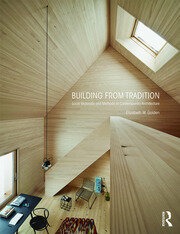
Building from tradition : Local materials and methods in contemporary architecture
Examines the recent resurgence of interest in the handmade building and the use of local and renewable materials in contemporary construction. In the past, raw materials were shaped to provide shelter and to accommodate the cultural, social, and economic needs of individuals and communities. This is still true today as architects, engineers, and builders turn once again to local resources and methods, not simply for constructing buildings, but also as a strategy for supporting social engagement, sustainable development, and cultural continuity. Building from Tradition features global case studies that allow readers to understand how building practices-developed and refined by previous generations-continue to be adapted to suit a broad range of cultural and environmental contexts. The book provides: a survey of historical and technical information about geologic and plant-based materials such as: stone, earth, reed and grass, wood, and bamboo; 24 detailed case studies examining the disadvantages and benefits to using traditional materials and methods and how they are currently being integrated with contemporary construction practices
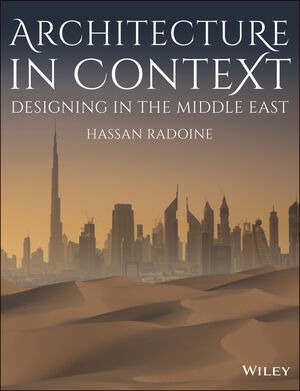
Architecture in context : Designing in the Middle East
Provides a foundation for understanding the critical context of architecture and design in this region. It does this by: presenting a practical overview of architectural know-how in the Middle East, and its potential for cultivating a sense of place introducing local architectural vocabularies and styles, and how they can still be reactivated in contemporary design exploring the cultural and contextual meaning of forms as references that may influence contemporary architecture discussing important discourses and trends in architecture that allow a rethinking of the current global/local dichotomy.
Architect, verb : the new language of building
Leading architect Reinier de Graaf De Graaf punctures the myths behind the debates on what contemporary architecture is, with wit and devastating honesty. Architecture, it seems, has become too important to leave to architects. No longer does it suffice to judge a building solely by its appearance, it must be measured, and certified. When architects talk about "Excellence," "Sustainability," "Well-being," "Liveability," "Placemaking," "Creativity," "Beauty" and "Innovation" what do they actually mean? In Architect, Verb, De Graff dryly skewers the doublespeak and hot air of an industry in search of an identity in the 21st century
A Language of Contemporary Architecture : An Index of Topology and Typology
Provides an index of ideas, theories, projects, and definitions that string into a methodology for evaluating the contemporary language of architecture described as “contemporism” through a review of topology (form) and typology (system and elements). Trying to answer the postmodern question of how to move beyond modernism through a thread of architectural styles that tried to respond to deficiencies from the modern promise and contextual changes. Yet, the question remains, should this ongoing struggle to move beyond modernism be a stylistic battle? Has the present architectural practice ever left the modernist tendencies, and is there a structure for a contemporary language in architecture?. Presents a collection of highly illustrated projects that have worked under these parameters to break away from modernism in order to present a holistic integration of topology and typology as a language for “contemporism.” The index is illustrated with individual spreads, which can be read sequentially or independently, and encourages the reader to make their own connections. It also includes interviews and contributions from Toyo Ito, Anthony Vidler, Ben van Berkel, Christian Kerez, and Greg Lynn.
