


تحسين النتائح
ترتيب حسب
من
الى

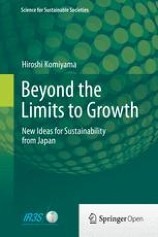
This book offers an optimistic view of the future and provides a road map for societies to get there. Drawing upon extensive research and many years as a thought leader in environmental and sustainability issues in Japan and internationally, Hiroshi Komiyama analyzes the most pressing challenges to the attainment of sustainability of economically advanced nations and argues forcefully for Japan to lead them out of the present dilemma through active promotion of creative consumer and societal demand. He shows how an active industry–government–academic partnership can provide the environment needed to promote such new creative demand and illustrates its potential through presentation of a Platinum Society Network that was launched on a regional basis in Japan in 2010 to facilitate the solution of common issues through the exchange of information and ideas.
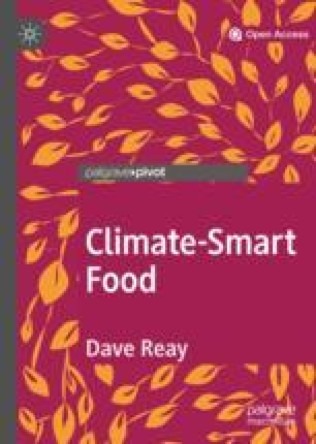
This book asks just how climate-smart our food really is. It follows an average day's worth of food and drink to see where it comes from, how far it travels, and the carbon price we all pay for it. From our breakfast tea and toast, through breaktime chocolate bar, to take-away supper, Dave Reay explores the weather extremes the world’s farmers are already dealing with, and what new threats climate change will bring. Readers will encounter heat waves and hurricanes, wildfires and deadly toxins, as well as some truly climate-smart solutions. In every case there are responses that could cut emissions while boosting resilience and livelihoods. Ultimately we are all in this together, our decisions on what food we buy and how we consume it send life-changing ripples right through the global web that is our food supply.
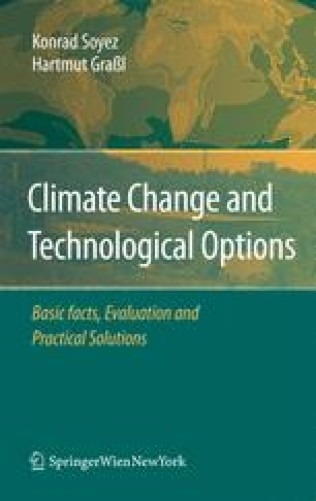
climate change focussing on technical solutions for the most important and climate relevant economic sectors is presented. It is intended for key decision makers, and administrators within industry, agricultural and energy sectors, as well as masters students and post graduates. The first of three sections covers the scientific basis of climate change and the instruments to prevent or reduce negative climate effects. It includes a survey covering current practices at different levels.It discusses evaluation methods for climate impacts from industrial processes. Climate relevant processes and measures to reduce their impact such as sequestration are defined in the final section, with the main focus being on renewable resources. Details are given on climate impacts of waste prevention, recycling and waste management as well as are proposals for every day solutions.
Discusses the impact of human-induced global climate change on the Indian subcontinent and regional monsoon, the adjoining Indian Ocean and the Himalayas. It also examines the regional climate change projections based on the climate models used by the IPCC Fifth Assessment Report (AR5) and national climate change modeling studies using the IITM Earth System Model (ESM) and CORDEX South Asia datasets

سوريا - اتستراد درعا - غباغب
+963-15 2050 - 15 860 380 /1/2/3 - 11 662 3900