


تحسين النتائح
ترتيب حسب
من
الى

This book presents theoretical and practical research relating to the vast, publicly financed program for the construction of new schools and the reorganization of existing educational buildings in Italy.
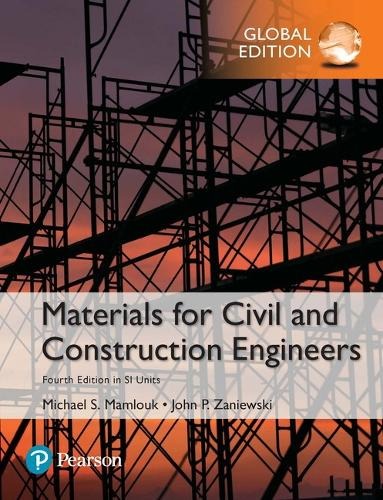
For courses in Civil Engineering Materials, Construction Materials, and Construction Methods & Materials offered in Civil, Environmental, or Construction engineering departments. Civil and Construction Engineering Materials: Properties, Uses, and Evaluations Materials for Civil and Construction Engineers helps students understand and select the materials involved in supporting the infrastructure needs of society--from buildings, to water and treatment distribution systems, to dams, highways, and airport pavements. By gaining a deep understanding of material behavior and the material selectio
Pesents buildings developed using modular assembly approaches based on lightweight and corrosion-resistant fiber reinforced polymer (FRP) composites. Construction methods and the choice of building materials offer great opportunities for more productive and environmentally friendly solutions. This book includes valuable experimental data on large-scale structural components (beams, slabs, amd columns), connections (shear connections, wall stud connections, beam-column connections, column-column connections) and structures (composite floor system, structural sandwich assemblies, and full-scale structural demonstrations), supported with detailed numerical modelling and analytical methods.
Includes the fundamental mechanical and physical properties of materials; properties, tests, and gradation designs of aggregates; production, composition, hydration, properties, and tests of lime and cement; composition, tests, and design of cement concrete; mechanisms, properties, and design of inorganic binder stabilized material; properties, tests, and grading of asphalt; composition, properties, tests, and designs of asphalt mixture; and properties, treatments, tests, and selections of steel.
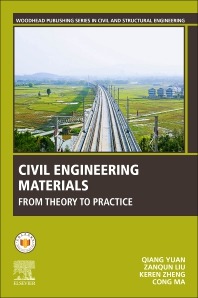
Presents the state-of-the-art in civil engineering materials, including the fundamental theory of materials needed for civil engineering projects and unique insights from decades of large-scale construction in China. The title includes the latest advances in new materials and techniques for civil engineering, showing the relationship between composition, structure and properties, and covering ultra-high-performance concrete and self-compacting concrete developed in China. This book provides comprehensive coverage of the most commonly used, most advanced materials for use in civil engineering. This volume consists of eight chapters covering the fundamentals of materials, inorganic cementing materials, Portland cement concrete, bricks, blocks and building mortar, metal, wood, asphalt and polymers.
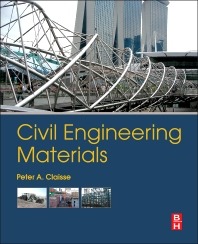
Concentrates on demonstrating methods to obtain, analyse and use information rather than focusing on presenting large amounts of data. Beginning with basic properties of materials, it moves on to more complex areas such as the theory of concrete durability and corrosion of steel.
Highlights various aspects of building construction industry based on data from field studies. It discusses the challenges, methodologies, technological applications in building construction, technology, and management. The book presents new approaches to effective building construction and an understanding of the impact of applications of latest technologies.
This book provides a compendium of material properties, demonstrates several successful examples of bio-based materials’ application in building facades, and offers ideas for new designs and novel solutions. It features a state-of-the-art review, addresses the latest trends in material selection, assembling systems, and innovative functions of facades in detail. Selected case studies on buildings from diverse locations are subsequently presented to demonstrate the successful implementation of various biomaterial solutions, which defines unique architectural styles and building functions. The structures, morphologies and aesthetic impressions related to bio-based building facades are discussed from the perspective of art and innovation; essential factors influencing the performance of materials with respect to functionality and safety are also presented. Special emphasis is placed on assessing the performance of a given facade throughout the service life of a building, and after its end.
Focuses on the research of advanced structures and anti-seismic in civil engineering. It features the most cutting-edge research directions and achievements related to civil and structural engineering. Subjects in this book include: ·Engineering Structure and Seismic Resistance ; ·Structural Mechanics Analysis ; Components and Materials ;·Structural Seismic Design ; 3D Printing Concrete ; Other Related Topics ; The works of this book promote development of civil and structural engineering, resource sharing, flexibility, and high efficiency.
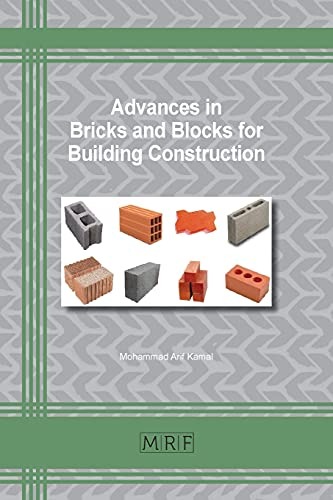
Reviews the current state of bricks and blocks; their manufacture, properties and applications in the building construction sector.
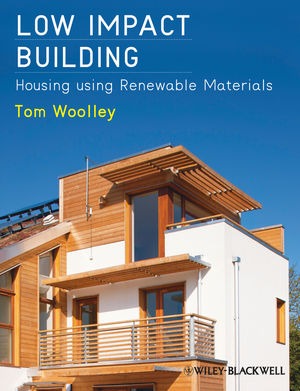
Guides to the designs, technologies and materials that really make green buildings work will help architects, specifiers and clients make informed choices, based on reliable technical information. Low Impact Building: Housing using Renewable Materials is about changing the way we build houses to reduce their 'carbon' footprint and to minimise environmental damage. One of the ways this can be done is by reducing the energy and environmental impact of the materials and resources used to construct buildings by choosing alternative products and systems. In particular, we need to recognise the potential for using natural and renewable construction materials as a way to reduce both carbon emissions but also build in a more benign and healthy way.
Infra-lightweight concrete combines the structural and thermal insulation functions of the building envelope in one monolithic material, thus providing new design options. The handbook is a practical guide to building with this new type of material.
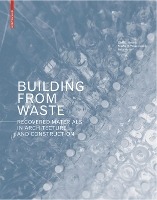
"Reduce, Reuse, Recycle, and Recover" is the sustainable guideline that has replaced the "Take, Make, Waste" attitude of the industrial age. Based on their background at the ETH Zurich and the Future Cities Laboratory in Singapore, the authors provide both a conceptual and practical look into materials and products which use waste as a renewable resource. It looks into innovative concepts of how materials usually regarded as waste can be processed into new construction elements. The products are organized along the manufacturing processes: densified, reconfigured, transformed, designed and cultivated materials.
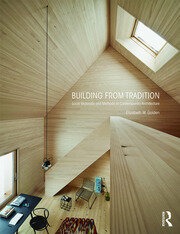
Examines the recent resurgence of interest in the handmade building and the use of local and renewable materials in contemporary construction. In the past, raw materials were shaped to provide shelter and to accommodate the cultural, social, and economic needs of individuals and communities. This is still true today as architects, engineers, and builders turn once again to local resources and methods, not simply for constructing buildings, but also as a strategy for supporting social engagement, sustainable development, and cultural continuity. Building from Tradition features global case studies that allow readers to understand how building practices-developed and refined by previous generations-continue to be adapted to suit a broad range of cultural and environmental contexts. The book provides: a survey of historical and technical information about geologic and plant-based materials such as: stone, earth, reed and grass, wood, and bamboo; 24 detailed case studies examining the disadvantages and benefits to using traditional materials and methods and how they are currently being integrated with contemporary construction practices
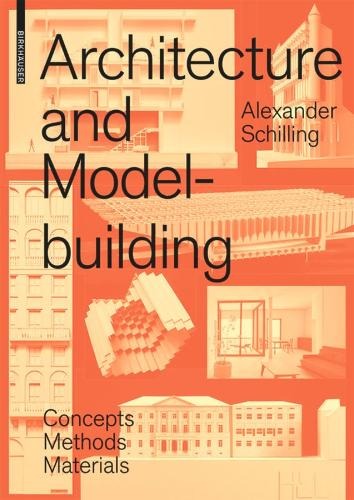
Provides in-depth information Numerous practical tips, clear explanations, concrete examples Aims and Scope Architectural models are used at various stages of a project. As working models they support the design process: they are made up from time to time using simple materials, such as cardboard, without any attempt at accuracy, and continue to be adjusted and added to as the ideas and the design progress. The point here is to swiftly check a design idea, to allow it to be continued or dismissed. Presentational models are more involved; at this stage the design has been completed and the purpose of the model is to convey the ideas to the potential user in a clear and easy-to-understand way.
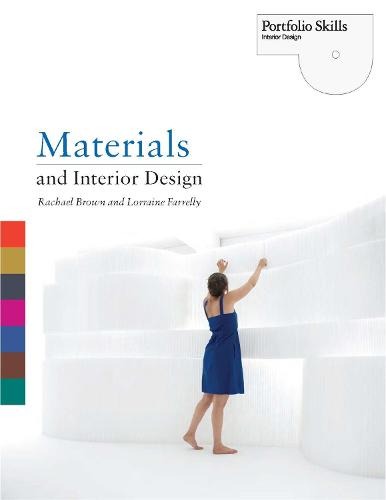
Examines every aspect of the the use of materials in interior design, from initial concept and selection to visual representation and practical application.
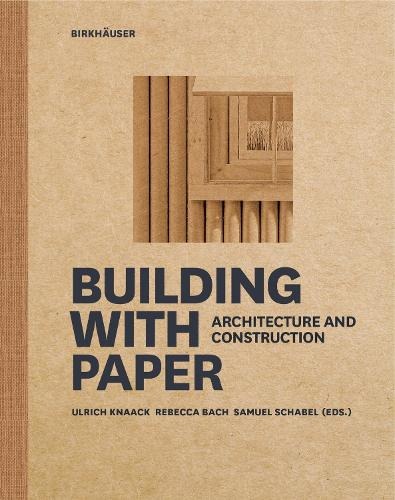
Paper and cardboard as sustainable building materials are currently the subject of research and testing in building practice. Properly protected from moisture and fire, the material proves to be strong and durable. This introduction explains the basics and the technology of building with cardboard and paper and shows a wide range of exciting examples.
Interweaving architecture, philosophy and cultural history, Materials and Meaning in Architecture develops a rich and multi-dimensional exploration of materials and materiality, in an age when architectural practice seems otherwise preoccupied with image and visual representation.
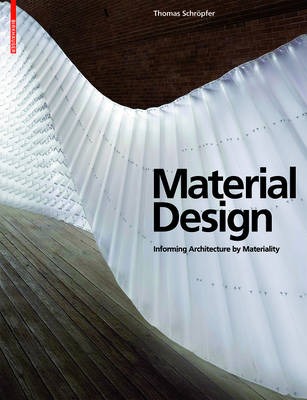
The approach of Material Design opens the way to an innovative use of materials in the design professions. Taking material qualities and properties such as texture, elasticity and transparency as a point of departure, the book describes a multitude of material operations, like folding and bending, carving and cutting, weaving and knitting, mirroring and screening.
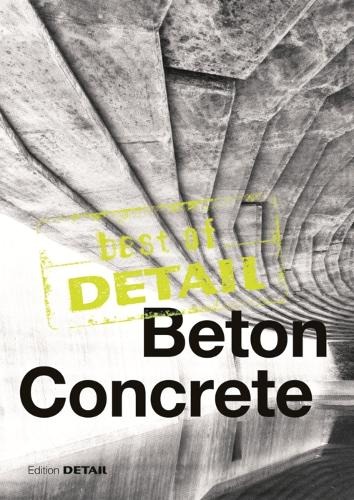
Presents highlights from the magazine published in recent years about concrete, a powerful medium for architectural expression. In additional to compelling specialist articles, this book contains a special section with a wide range of examples to inspire your own architectural practice, from train stations and churches to single-family homes

سوريا - اتستراد درعا - غباغب
+963-15 2050 - 15 860 380 /1/2/3 - 11 662 3900