


تحسين النتائح
ترتيب حسب
من
الى

Benirschke and Kaufmann's Pathology of the Human Placenta has long been regarded as the gold standard in the field. It is comprehensive and thorough and contains the detail necessary for those in the subspecialties of placental, perinatal and pediatric pathology. However, placentas are relatively common specimens and are not examined primarily by specialists in the field, but by general pathologists. Thus, there is a need for a more practical and concise manual that can be used by pathology trainees and generalists in their daily work. Manual of Benirschke and Kaufmann's Pathology of the Human Placenta will fill that need. The Manual is a practical, user-friendly guidebook for the general pathologist and pathologist in training for everyday, bench-side use. Organized in 27 chapters, the book will discuss placental development, general features, approach to the specimen by macroscopic and microscopic evaluation, all aspects of placental abnormalities and lesions, disease processes and the placenta, legal aspects of the placental examination, future directions and much more. The sections on macroscopic and microscopic evaluations feature quick-reference tables that allow the reader to identify abnormalities, learn the situations where they occur, and refer back to the text for in-depth discussions. Each chapter will end with selected readings from Pathology of the Human Placenta for more detailed discussions, classic recommended readings, as well as an up-to-date bibliography of current literature. The manual features over 444 illustrations, more than 100 of them in full-color. A must-have for every pathologist and pathology resident.
لThe text is logically organized and key information is easily accessible. The introductory section offers the reader important background and rationale for evaluating and treating addiction in primary care. Following a useful presentation of addiction "basics" (i.e., definitions, neurobiology, genetics, and the disease model), the majority of the book focuses on helping the physician gain insight and develop practical skills that can be readily implemented. A wealth of clinical assessment tools is provided, and the underlying psychosocial processes common to all forms of addiction are discussed. Both pharmacologic interventions and nonpharmalogic modalities are clearly outlined. Of particular note are specific cognitive-behavioral and motivational strategies that can be administered in an office-based setting. The role of community-based recovery support systems is considered as well. Since a complete understanding of why and when to refer is critical to the management of this often life-threatening condition, criteria for referral are detailed. Bulleted clinical "pearls" further aid the reader in gaining insight into treating this difficult patient population.
Male Sexual Function: A Guide to Clinical Management, Second Edition, completely updates and reviews newer developments, including linking erectile dysfunction (ED) with lower urinary tract systems, advances in erectile physiology, and the appreciation of ED as a form of endothelial dysfunction and a harbinger of other potentially lethal forms of vascular disease. Treatments of ED as well as the background, causes, associated conditions, and diagnostic tools are also provided. This new updated edition also presents the facts of sexual function and dysfunction so that the practitioner can properly treat basic problems with easily prescribed therapies. Also included is a new chapter on cardiovascular disease as well as chapters on pelvic surgeries, intracavernous injections with vasoactive agents, and vacuum erection devices.
The imaging of stroke has undergone significant changes owing to the rapid progress in imaging technology. This volume, comprising three parts, is designed to provide a comprehensive summary of the current role of MR imaging in patients with ischemic stroke. The first part outlines the clinical presentations of stroke and discusses the diagnostic efficacy and therapeutic impact of MR imaging. The second and third parts form the core of the volume, and are based on a novel approach in that the topic is presented from two very different viewpoints. Part 2 provides a detailed presentation of the distinguishing features of stroke from the radiologist's perspective. By contrast, part 3 addresses the needs of the clinician, documenting specific stroke syndromes and their correlates on MR imaging. The overall aim has been to create a well-illustrated volume with broad appeal that links pathology, radiology and stroke medicine in an informative manner.

Presents overviews of and the latest findings in many of the interconnected aspects of plant photomorphogenesis, including photoreceptors (phytochromes, cryptochromes, and phototropins), signal transduction, photoperiodism, and circadian rhythms, in 42 chapters. Also included, is a prologue by Prof. Masaki Furuya that gives an overview of the historical background.
The hemodynamic monitoring of intensive care patients is undergoing major changes. Technological advances such as computerization and miniaturization have made it possible to considerably expand the range of assessment tools available at the bedside. Thus, the approach to cardiovascular monitoring - which was once readily "invasive" and global - is gradually becoming non-invasive and locoregional or even tissue. At the same time, the combined evolution of technology and physiological and pathophysiological concepts now provides the clinician with access to a variety of "functional hemodynamic monitoring". The aim of this book is to provide a better understanding of the interest and the limits of the hemodynamic parameters accessible by current hemodynamic monitoring techniques. It thus aims to ensure that the use of these techniques is perfectly mastered by resuscitators and anesthetists-resuscitators so that patient care is ultimately optimal.

Deals with ovarian cancers and their therapeutic management. Besides the epithelial tumors which are the most frequent, the rarer tumors, with attenuated malignancy, germ cells or of the ovarian stroma are also studied. Specialists from multiple backgrounds each deliver in their field the most recent knowledge on the fundamental aspects of the disease, its genetic, epidemiological and prognostic characteristics and its pathological peculiarities. Modern means of diagnosis are presented. The surgical technique, including laparoscopy, is detailed at the different stages of the disease. The therapeutic strategy aims to position the surgery and chemotherapy according to the stage. The current place of radiotherapy and isotopic therapies is indicated. Some more specific aspects are discussed, screening, lymph node dissection, the “second look”, intraperitoneal chemotherapy with or without hyperthermia, treatment of the elderly, monitoring after treatment… as well as the emergence of targeted therapies.

This book also includes several case studies concerning landscape analysis and evaluation using spatial analysis and landscape modelling for establishing sustainable management strategy in urban and agricultural landscapes. The subtitle of the book suggests the integrative and ubiquitous landscape planning considering harmony of man and nature systems in the socio-economic and cultural background.
Low back pain is one of the main reasons for consultation, whether in general or specialized medicine. It poses a real public health problem. This "back pain", which can despair patients and doctors by its sometimes rebellious character, explains the multiplicity of examinations sometimes practiced and the treatments implemented. This work is a collection of the most recent developments in terms of physiopathological knowledge of disc involvement, clinical examination and the place of surgery and in particular disc prostheses. An update concerns the indications and contributions of additional examinations; some formidable diagnostic traps are mentioned. Medical treatments such as infiltrations, manipulations, the benefit of restraints and the provision of acupuncture are being developed. Also discussed are the latest scientific data on isokinetic evaluation and retraining, as well as the role of sports activity as a factor in the prevention or aggravation of low back pain. Finally, the medico-legal aspect is dealt with in the context of work accidents, and the assessment after trauma. This book is the result of the collaboration and experience of undisputed specialists in this field.

Interactions matter. To understand the distributions of plants and animals in a landscape you need to understand how they interact with each other, and with their environment. The resulting networks of interactions make ecosystems highly complex. Recent research on complexity and artificial life provides many new insights about patterns and processes in landscapes and ecosystems. This book provides the first overview of that work for general readers. It covers such topics as connectivity, criticality, feedback, and networks, as well as their impact on the stability and predictability of ecosystem dynamics. With over 60 years of research experience of both ecology and complexity, the authors are uniquely qualified to provide a new perspective on traditional ecology.
Plant neurobiology is a newly emerging field of plant sciences. It covers signalling and communication at all levels of biological organization – from molecules up to ecological communities. In this book, plants are presented as intelligent and social organisms with complex forms of communication and information processing. Authors from diverse backgrounds such as molecular and cellular biology, electrophysiology, as well as ecology treat the most important aspects of plant communication, including the plant immune system, abilities of plants to recognize self, signal transduction, receptors, plant neurotransmitters and plant neurophysiology. Further, plants are able to recognize the identity of herbivores and organize the defence responses accordingly. The similarities in animal and plant neuronal/immune systems are discussed too. All these hidden aspects of plant life and behaviour will stimulate further intense investigations in order to understand the communicative plants in their whole complexity.
MRI has become the preferred noninvasive imaging modality for the heart and great vessels. The substantial technological progress achieved in recent years has provided the user with state of the art MRI systems, but their optimal use can be limited by restricted awareness of the potential patient benefit and the necessity for teaching. This extensively illustrated volume, has been specifically compiled to meet these needs. Essential theoretical background information is provided, and imaging acquisition and potential pitfalls are considered in detail. Most importantly, structured guidelines are provided on the interpretation of clinical data in the wide range of cardiac pathology that can be encountered. Throughout, the emphasis is on the implementation of cardiac MRI in clinical practice.
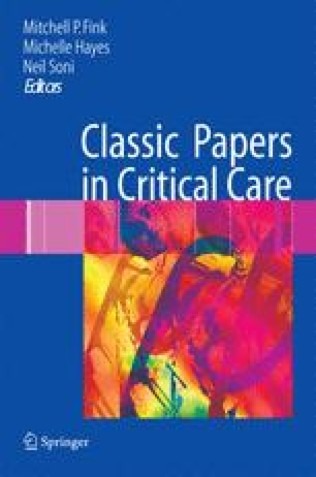
Every medical specialty has at its basis a core of classic papers, which both reflect the historical background and give insight into present and future developments. The papers discussed in this book are considered classics for many reasons, but in all cases they highlight landmarks in the development in critical care medicine and therefore providing an invaluable reference for both trainee and practising clinicians.

CHRONIC DISEASES AND HEALTH CARE: New Patterns of Diabetes, Arthritis, Osteoporosis, Fibromyalgia, Low Back Pain, Cardiovascular Disease, and Cancer. This book evaluates new trends in epidemiology, health care costs, risk factors, treatment and rehabilitation outcomes, stress and coping strategies, social support, disability, patient education, and self-management for seven prevalent chronic diseases.
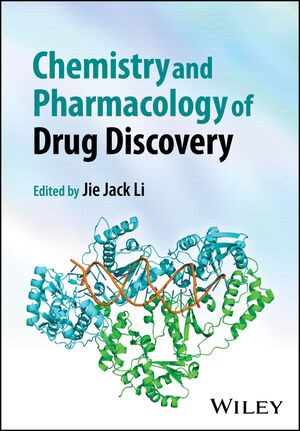
Illustrates how chemistry, biology, pharmacokinetics, and a host of disciplines come together to produce successful medicines, discussing a total of 20 drugs that are all FDA-approved post 2021. Cover Infectious Disease, Cancer Drugs, CNS Drugs, and Miscellaneous Drugs. Each chapter covers background material on the drug class and/or disease indication and key aspects relevant to the discovery of the drug, including structure-activity relationships, pharmacokinetics, drug metabolism, efficacy, and safety.
Cephalopods are diverse, highly developed molluscs capable of swimming and jet propulsion. These animals are an important component of present-day marine ecos- tems throughout the world and comprise approximately 900 species. They also have an extraordinary fossil record, extending back to the Cambrian Period, with as many as 10,000 extinct species. Throughout their long history, they have experienced sp- tacular radiations and near-total extinctions. Because of their superb fossil record, they also serve as ideal index fossils to subdivide geologic time. This book touches on many of these themes, and it treats both fossil and present-day cephalopods.
This text resource outlines the systematic approach to CMR interpretation. The depiction of a "core exam" and the modifications used for a variety of patient circumstances are demonstrated using simple visual assessment of the images. Special emphasis on the advantages of CMR relative to other modalities reinforces practical learning objectives, organized so that the reader starts with patient images – as one would in a clinical scenario – and works back to the didactic material.
Cardiac Drug Therapy, 7th ed., addresses the pharmacology and therapeutic application of drugs used to treat heart diseases and hypertension. Additions and updates to the sixth edition include six new chapters on current controversies in cardiac drug therapy such as the beta blocker issue many cardiologists are presently grappling with. The book provides practical advice on how to manage cardiac diseases and addresses the choice of one particular cardiac agent vs. another. In addition to providing core knowledge in cardiovascular therapeutics, the text assists in resolving some of the issues surrounding cardiac drugs. Cardiac Drug Therapy provides practical information including properties, dosage, side effects, potential salutary benefits, and drawbacks on virtually all commercially available cardiac drugs.
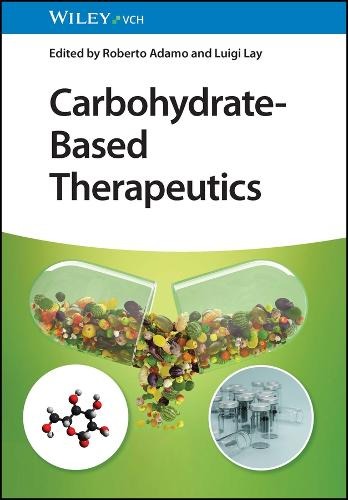
Explores new frontiers in carbohydrate-based therapeutic applications, utilizing a unique approach by providing a detailed background of diseases coupled with subsequent carbohydrate-based therapies. The link between chemistry and design of novel carbohydrate-based medicines is highlighted and a broad overview of all the potential applications of carbohydrates is given. Emphasis is laid on concepts used for carbohydrate drug design, structure– activity relationship, and impact on health and diseases. The text also discusses newer topics like nanoparticles, material science, and tissue generation.

Despite the increasing awareness that neural mechanisms are the primary cause of cardiac disease and its progression, therapy continues to focus on end-organ protection and does not approach the neural core of the problem. Growing public health problems such as heart failure are still treated with autonomic drugs that are 30-40 years old and simply act on cardiac receptors. However, it has now been shown that the progression of ischemic heart disease to heart failure is mainly due to abnormal central responses to incipient cardiac disease, with neural activation the primary cause rather than the consequence of cardiac remodeling.

سوريا - اتستراد درعا - غباغب
+963-15 2050 - 15 860 380 /1/2/3 - 11 662 3900