


تحسين النتائح
ترتيب حسب
من
الى

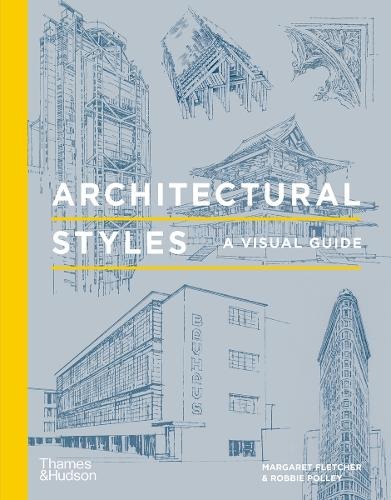
It begins with the earliest styles of the ancient civilizations – Egypt, Greece and Rome – before travelling through Medieval, Renaissance and Baroque and into the modern world via the panoply of 19th century revivalist styles. Also covered is the traditional architecture of China, India, Japan and Pre-Columbian America. A final section gathers together key architectural elements from different periods – columns, towers, doorways, windows.

The development of modern architecture in Korea and, more recently, South Korea, is closely tied to the country’s dramatic transformations since the late 19th century.The architectural analyses, ranging from Hwaseong Fortress to 21st-century constructions like Paju Book City, Ssamziegil Shopping Center, the Boutique Monaco skyscraper, and the Bauzium Sculpture Museum, focus on buildings in which the formation of a specifically Korean modernism is particularly observable. The appendix includes biographical descriptions of major architectural figures.
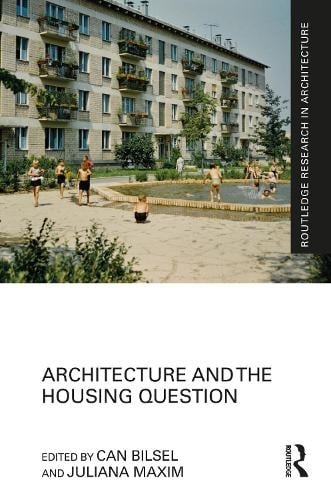
Examines how the design and provision of housing around the world have become central both to competing political projects and to the architecture profession. How have architects acting as housing experts helped alleviate or enforce class, race, and gender inequality? What are the disciplinary implications of taking on shelter for the multitude as an architectural assignment and responsibility? The book features essays in the historiography of architecture and the housing question, and a collection of historical case studies from Belgium, China, France, Ghana, the Netherlands, Kenya, the Soviet Union, Turkey, and the United States.
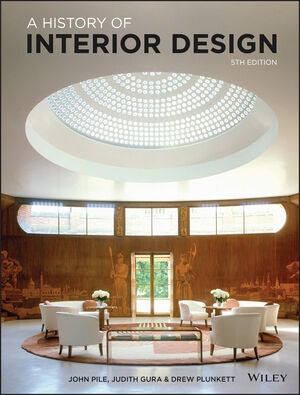
Interior design describes the process by which an interior space is made into an effective setting for whatever range of human activities are to take place there. Much like the history of art, the history of interior design encompasses numerous styles, movements, and the influence of international, political, and social developments. A basic understanding of this history is important to students taking survey courses, professional designers looking to the past for inspiration, and for those interested in antiques, furniture design, and the general evolution of the spaces where we work and live
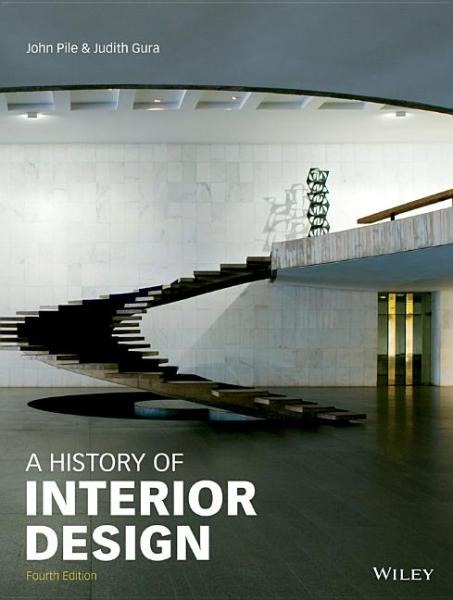
Exploring a broad range of design styles and movements, this revised and expanded edition includes coverage of non-Western design and vernacular interior architecture and features 665 photographs and drawings (color and black-and-white). The companion image bank includes an interactive presentation of periods and styles, incorporating more than 100 illustrations.
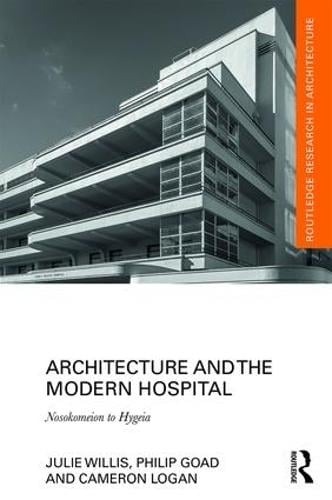
Explores the rapid evolution of hospital design in the twentieth century, analysing the ways in which architects and other specialists reimagined the modern hospital. It examines how the vast expansion of medical institutions over the course of the century was enabled by new approaches to architectural design and it highlights the emerging political conviction that physical health would become the cornerstone of human welfare.
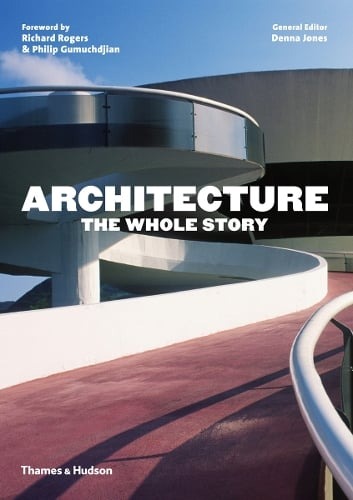
From ancient and classical masterpieces to contemporary, cutting-edge buildings, architecture has defined our world throughout history. Drawing its examples from all around the globe, Architecture: The Whole Story is a richly illustrated and comprehensive account of the architects, plans, designs and constructions that over the centuries have most engaged our minds, inspired our imaginations and raised our spirits. For everyone who has ever wished for greater insight into the art of building design, Architecture: The Whole Story provides the analytical tools to appreciate to the fullest the variety of architectural achievement and the built environment in the world.
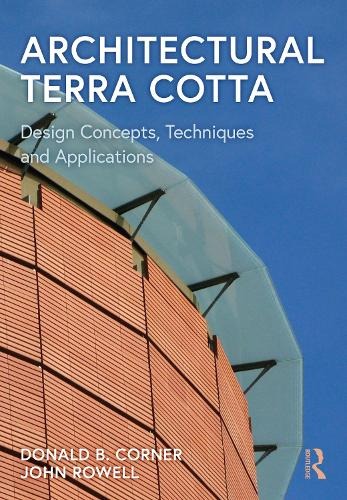
Examines the evolution of terra cotta and prepares architects and builders to make new, creative uses of the timeless material. Terra cotta is among the oldest of manufactured building products, yet it has once again become a material of choice in contemporary façade design. From the walls of Babylon to high performance rainscreens, terra cotta claddings have repeatedly proven to be technically superior and aesthetically triumphant. Understanding the evolution of terra cotta prepares architects to add new, creative chapters to a rich history.
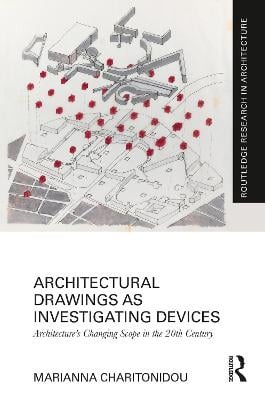
Explores how the changing modes of representation in architecture and urbanism relate to the transformation of how the addressees of architecture and urbanism are conceived. Diagnoses the dominant epistemological debates in architecture and urbanism during the 20th and 21st centuries. It traces their transformations, paying special attention to Le Corbusier and Ludwig Mies van der Rohe’s preference for perspective representation, to the diagrams of Team 10 architects, to the critiques of functionalism, and the upgrade of the artefactual value of architectural drawings in Aldo Rossi, John Hejduk, Peter Eisenman, and Oswald Mathias Ungers, and, finally, to the reinvention of architectural programme through the event in Bernard Tschumi and the Office for Metropolitan Architecture (OMA). Particular emphasis is placed on the spirit of truth and clarity in modernist architecture, the relationship between the individual and the community in post-war era architecture, the decodification of design process as syntactic analogy and the paradigm of autonomy in the 1970s and 1980s architecture, the concern about the dynamic character of urban conditions and the potentialities hidden in architectural programme in the post-autonomy era.
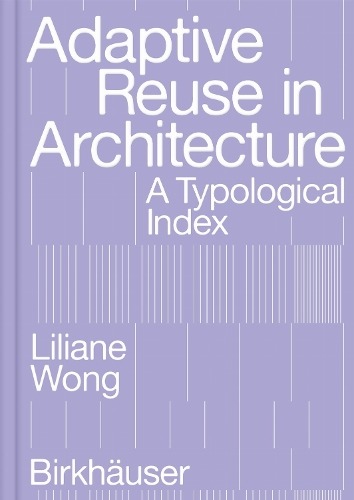
Presents 50 spectacular conversion and reuse projects worldwide, including buildings such as the TWA Hotel at NewYork's John F. Kennedy Airport, the CaixaForum in Madrid, and the New Museum in Berlin. The projects are presented using a new classification system that addresses practitioners as well as academics.

سوريا - اتستراد درعا - غباغب
+963-15 2050 - 15 860 380 /1/2/3 - 11 662 3900