


تحسين النتائح
ترتيب حسب
من
الى


Provides new and updated tools for studying protein-carbohydrate interactions ranging from traditional biochemical methods to state-of-the-art techniques. This book focuses on four different research themes detailing methods for screening and quantifying CAZyme activity, investigating the interactions between proteins, carbohydrate ligands, methods for the visualization of carbohydrates, protein-carbohydrate complexes, structural and “omic” approaches for studying systems of CAZymes.
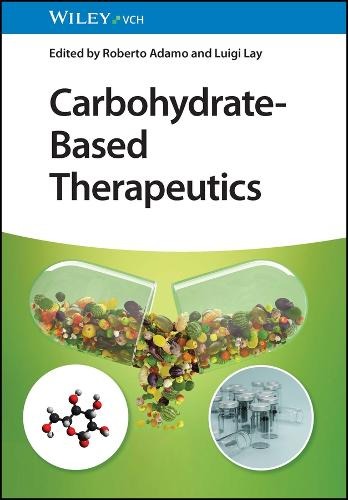
Explores new frontiers in carbohydrate-based therapeutic applications, utilizing a unique approach by providing a detailed background of diseases coupled with subsequent carbohydrate-based therapies. The link between chemistry and design of novel carbohydrate-based medicines is highlighted and a broad overview of all the potential applications of carbohydrates is given. Emphasis is laid on concepts used for carbohydrate drug design, structure– activity relationship, and impact on health and diseases. The text also discusses newer topics like nanoparticles, material science, and tissue generation.
Cannabinoids and the Brain gives a comprehensive overview of all the essential literature concerning the endocannabinoid and related systems in the nervous tissue. It is a rapidly expanding research field and the widespread presence of cannabinoids in most physiopathological mechanisms appear to hinder the effort to fully cover the subject. By the end of the book, the reader will have a solid knowledge of the genetics, molecular biology, anatomy, pharmacology, and physiology of the endocannabinoid system and its involvement in neurological and psychiatric disorders, and will eventually discover a natural relationship among marijuana, aspirin, and chili pepper.
Offers a comprehensive overview on cannabinoids and their effects on sleep Provides novel research findings on the therapeutic potential of cannabinoids Discusses the effect of cannabinoids in several neurological disorders
Presents the clinical scope of cancer immunotherapeutic agents for solid tumors and Hematologic malignancies, elaborates on the scientific details of their modes of action, and presents the impact of these agents on oncology, patients and the broader healthcare system. At present, cancer immunotherapies fall broadly into three categories: immune checkpoint inhibitors (ICIs), adoptive T cell therapies, and cancer vaccines which have distinct mechanisms of action. Immune checkpoint inhibitors rely upon disrupting tumor antigen recognition as self by the immune system through inhibition of checkpoint molecules. Adoptive T cell therapies involve the engineering of T cells ex vivo to target and destroy tumor cells. The first part of this book will provide an overview of the discovery and mechanistic details of the technology. The second part will be devoted to elaborating on the clinical outcomes, successes and limitations for specific tumor subtypes, which includes both solid tumors and hematologic malignances for both pediatric and adult populations.
Deals with different strategies of cancer vaccine development, focusing on techniques for the development of therapeutic cancer vaccines and the roles of tumor antigens, proteins/peptides, microbial genes, and stem cells for the development of vaccines for cancer management.
A diagnosis of cancer provokes myriad responses in patients, chief among them the question: "how long do I have to live?" Increasingly, the answer to that question is not one of months or years, but decades. While there are now nearly 10 million people in the United States who have recovered or are currently recovering from cancer (increased from three million in 1971), the unique challenges encountered by survivors are often met with uncertainity by even the most seasoned physicians, nurses, and clinical social workers because of a lack of formal guidelines for post-treatment care and follow-up.
This book describes the recent developments in the emerging field of cancer stem cells. Their possible impact for the identification of novel treatment paradigms for cancer are discussed. The book will mainly be of interest to scientists and clinicians involved in cancer research, or to students wishing to enter into this area.
Sentinel lymph node (SLN) procedures have opened a window of opportunity for the study of micrometastasis. In eighty percent (80%) of metastasis there lies an orderly pattern of progression via the lymphatic network, while 20% of the time systemic metastasis occurs, bypassing the lymphatic system. During the past two decades, significant progress has been achieved in understanding the anatomical, functional, cellular and molecular aspects of the lymphovascular system and the metastasis process.Molecular imaging advances help to localize early cancers more precisely.
Medical information science requires analytic tools. This is achieved by developing and assessing methods and systems for the acquisition, processing, and interpretation of patient data, aided by scientific discovery. Cancer Informatics in Post-Genomic Era provides both the necessary methodology and practical information tools.Key challenges include integrating research and clinical care, sharing data, and establishing partnerships within and across sectors of patient diagnosis and treatment.Addressing important clinical questions in cancer research will benefit from expanding computational biology.

Over the past few decades, the Arab world has witnessed a swift evolution in healthcare provision. Nonetheless, Arab countries have considerable variability in economic capabilities, resource allocation, and intellectual talent that inevitably reflect on access to modern cancer care and prevention. This book is authored by experts from the Arab world who provide vital information on cancer statistics and risk factors, available clinical care pathways and infrastructure, and prevention programs in their individual countries. The chapters also address specific challenges in each country and insights into future directions to achieve optimal care with conventional and novel diagnostics and therapies to keep up with the era of precision medicine.
Cancer Grading Manual addresses all histopathologic aspects of tumor pathology essential for grading of tumors. It discusses the history and basic tenets of tumor grading; principles of microscopic grading of tumors; ancillary methods currently used to improve tumor grading; and new techniques used in evaluating tumors and formulating prognosis. It is designed to be a practice-oriented, concise and well-illustrated resource for diagnostic surgical pathologists and pathology residents.

Etablir un diagnostic précoce, définir une stratégie adaptée et offrir une meilleure qualité de vie chez le sujet âgé atteint de cancer constituent les défis de l’Oncologie de ce début de siècle. Cet ouvrage a pour objectif de proposer aux médecins et aux étudiants un condensé des différents aspects de l’oncologie sur le sujet âgé. Dans une première partie, les aspects épidémiologiques et biologiques ainsi que l’évaluation gériatrique multiparamétrique sont abordés. Les particularités de l’application de la chimiothérapie, de la radiothérapie et de la chirurgie au sujet âgé sont passées en revue. Dans une troisième partie, la stratégie thérapeutique multidisciplinaire est ensuite détaillée par site.
These days are an opportunity to remind and persuade those less convinced that the treatment of this very particular phase of the disease is not limited to a score played by a few speakers or even by medical oncologists alone; but on the contrary, we must bring into play a truly philharmonic polyphonic ensemble, united around the patient and comprising all the players in multidisciplinary care: general practitioner, surgeon, radiotherapist, imaging specialist, gynecologist, general practitioner, psychologist, algologist, supportive care workers ...
Description and analysis of recent developments and current trends in health policy with regard to cancer drug safety. Opens with an overview of pharmacovigilance for cancer blockbuster drugs, covering both general considerations and efforts to develop a structured framework for the identification and reporting of adverse drug reactions (ADRs). A number of important examples of serious ADRs to hematology and oncology drugs are then reviewed, with evaluation of the lessons learned and the policy implications of the ensuing legal cases and their settlements. Further, the difficulty of reporting such blockbuster side effects in the medical literature is explored in an empirical study. Significant advances have been achieved in analytic methods for the identification of ADRs, and here there is a particular focus on the value of optimal discriminant analysis. Finally, the impacts on pharmacovigilance and drug safety of the huge fines paid under the U.S. False Claims Act relating to the defrauding of governmental programs also receive careful attention – these fines are playing an important role in changing the landscape for pharmaceutical safety.
Discusses the latest techniques used to identify cancer drug resistance determinants at the molecular, cellular, and functional levels. Chapters in this book cover up-to-date topics including tumor-microenvironment cell co-culture methods and microfluidics systems; workflows for functional assessment of drug resistance in vitro and in vivo; quantitative techniques for identifying quiescent blood-flow circulating cells; and single-cell characterization methods, such as mass cytometry.
In Cancer Chemoprevention, Volume 2: Strategies for Cancer Chemoprevention, leading chemopreventives investigators comprehensively describe the exciting methodologies that are accelerating progress in the chemoprevention field and review the state of clinical development of preventive agents in the major human cancer target organs. The authors provide sound guidelines for cancer chemopreventive drug development, detailing general strategies and methods for drug discovery, preclinical efficacy, characterization of precancers, safety evaluation of clinical cohorts, and clinical trial design.
Provides detailed methods on the mechanisms of underlying cancer cell biology. Chapters guide readers through techniques for culturing cancer cell lines, xenografts, cryopreservation of tumor cells, analyzing the co-culture of breast cancer cells, protein secretion by ELISA, flow cytometry-based, multi-parametric immunofluorescence analysis, protein expression by western blot, analysis of surface protein levels, protein recycling by biotinylation assay, and proteomics analysis by liquid chromatography-mass spectrometry.
This book is written by experts with clinical expertise on diagnosis, treatment, and follow-up of women with cancer during pregnancy. It provides a comprehensive review of data and an overview of psychological, ethical, and social aspects.
Tumors can be induced by a variety of physical and chemical carcinogens. The resulting tumor cells are usually abnormal in their morphology and behavior and transmit their abnormalities to their daughter tumor cells. Most theories of the pathogenesis of tumors suggest that carcinogens in some way cause alterations either of the genomes or of inheritable patterns of gene expression in normal cells, which then cause morphological and behavioral changes. This volume presents a collection of articles aimed at the question by what genetic or epigenetic mechanisms carcinogens can cause morphological abnormalities of tumor cells. It includes reviews of cellular targets of known carcinogens, and presents varying viewpoints of how morphological abnormalities and the actions of carcinogens might be related.

سوريا - اتستراد درعا - غباغب
+963-15 2050 - 15 860 380 /1/2/3 - 11 662 3900