


تحسين النتائح
ترتيب حسب
من
الى

Genetic investigations and manipulations of bacteria and bacteriophage have made vital contributions to our basic understanding of living cells and to the development of molecular biology and biotechnology. This volume is a survey of the genetics of bacteria and their viruses, and it provides students with a comprehensive introduction to this rapidly changing subject. The book is written for upper level undergraduates and beginning graduate students, particularly those who have had an introductory genetics course.

Divided into four parts and intends to give an overview on the pathogenesis of atherosclerosis, established treatment and prevention regimen, and of perspectives for the development of new treatment modalities.
Associative and Endophytic Nitrogen-fixing Bacteria and Cyanobacterial Associations This book is part of the seven-volume series that was launched a few years ago with the ambitious objectives of reviewing the field of nitrogen fixation from its earliest beginnings through the millennium change and of consolidating the relevant information - from fundamental to agricultural and environmental aspects – all in one place. Volume 5 covers the biology of bacteria that associate with n- leguminous plants. The subject matter includes a wide range of associations; it covers the bacterial species that associate either with the surface or within the tissues of grasses (often referred as plant growth-promoting rhizobacteria) and also the symbiotic associations that cyanobacteria form with fungi, algae, and both lower and higher plants. This volume does not deal with the Frankia-actinorhizal plant associations, which is the topic of Volume 6
Despite their enormous bulk and complexity of architecture, plants make up only around a quarter of a million of the 8 million or so species on Earth. The major components of biodiversity, instead, are the smaller, largely unseen, silent majority of invertebrates – most of which are arthropods. Vertebrates, a mere blip on the biotic horizon, are elevated in importance in the bigger scheme of things only by the human psyche. This collection of more than 30 peer-reviewed papers focuses on the diversity and conservation of arthropods, whose species inhabit virtually every recess and plane – and feature somewhere in virtually every food web – on the planet. Highlighting issues ranging from large-scale disturbance to local management, and from spatial heterogeneity to temporal patterns, these papers reflect some of the most exciting new research taking place today – and in some of the most biodiverse corners of the planet.
This book, written by world experts in aquaponics and related technologies, provides the authoritative and comprehensive overview of the key aquaculture and hydroponic and other integrated systems, socio-economic and environmental aspects. Aquaponic systems, which combine aquaculture and vegetable food production offer alternative technology solutions for a world that is increasingly under stress through population growth, urbanisation, water shortages, land and soil degradation, environmental pollution, world hunger and climate change.
Details techniques involved to study aquatic pathogens that cause infections, especially in fish. Chapters guide readers through a wide range of basic and advanced methods, viral and fungal pathogens, probiotic bacteria, treatment of pathogens using seaweed extract, medicinal plant extracts, and actinomycetes.
Provides the interested and informed reader with an overview of current approaches, strategies and considerations relating to the purification, analytics and characterization of therapeutic antibodies and related molecules. While there are obviously other books published in and around this subject area, they seem to be either older (c.a. year 2000 publication date) or are more limited in scope. The book will include an extensive bibliography of the published literature in the respective areas covered. It is not, however, intended to be a how-to methods book.
Written by leading international experts in the field of plant metabolic engineering, this book discusses, mainly, applications of plant metabolic engineering. Metabolic engineering, which is part of second generation biotechnology, has made several contributions at basic level as well as at conceptualising products ever since its emergence in the early 1980s. Applications resulting from metabolic engineering are expected to play a very important role in future for plant breeding, e.g. for improved resistance or improved traits concerning health promoting constituents, and production of fine chemicals such as medicines, flavors and fragrances.
This book will help in bridging the wide gap between developed and developing countries, in the development and use of gene-based technologies, and to elucidate the current and future roles of such technologies in the developing world. It is a good reference source for researchers, students and policy-makers alike.
Cell Immobilisation Biotechnology" is divided into the two book volumes, FOBI 8A and FOBI 8B. The FOBI 8A volume, Fundamentals of Cell Immobilisation Biotechnology, is dedicated to fundamental aspects of cell immobilisation while the present volume, FOBI 8B, Applications of Cell Immobilisation Biotechnology, deals with diverse applications of this technology.
The first evidence that electrical changes can cause muscles to contract was p- vided by Galvani (1791). Thus, elect- cal activity graduated from a simple mechanism that is used to elicit muscle c- traction, to a system that could induce permanent changes in muscles and modify most of its characteristic properties.
Discusses the innovative approaches and investigation strategies, as well as provides a broad spectrum of the cutting-edge research on the processing, properties and technological developments of microbial products and their applications. Microbes finds very important applications in our lives including industries and food processing. They are widely used in the fermentation of beverages, processing of dairy products, production of pharmaceuticals, chemicals, enzymes, proteins and biomaterials / conversion of biomass into fuel, fuel cell technology, health and environmental sectors. Some of these products are produced commercially, while others are potentially valuable in biotechnology. Microorganisms are considered invaluable in research as model organisms. This is a useful compilation for students and researchers in microbiology, biotechnology and chemical industries.
Summarizes antiviral drug design and discovery approaches Provides the latest update in the field of antiviral therapeutics Includes antiviral research of coronaviruses
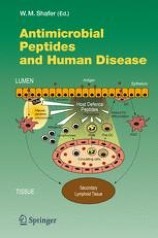
Microbes are in our midst soon after birth. Thankfully, the number of harmless (and often beneficial) microbes far outnumber those that would do us harm. Our ability to ward-off pathogens in our environment, including those that can colonize our exterior and/or interior surfaces, depends on the integrative action of the innate and adaptive immunity systems. This volume of CTMI, entitled Antimicrobial Peptides and Human Disease, is dedicated to the role of antimicrobial peptides (AMPs) in the innate host defense system of homo sapiens.

Increasing awareness of the deleterious effects of toxic components in antifouling coatings has raised interest in the potential for nontoxic alternatives. This book examines how marine organisms from bacteria to invertebrates and plants use chemicals to communicate and defend themselves. Chemicals that prevent colonisation of living surfaces are particularly pertinent to antifouling technology and may inspire new solutions. The challenge is to identify such compounds, identify the means for sustainable production and incorporate them into coatings to give long-term antifouling efficacy.
Designed to bridge knowledge gained in basic sciences courses with clinical practice in infectious diseases. This practical text reviews basic microbiology and how to approach the pharmacotherapy of a patient with a presumed infection. It also contains concise Drug Class Reviews with an explanation of the characteristics of various classes of antibacterial drugs and antifungal drugs.
Although the potential for immunomodulation has been recognized for many years there has been an explosion of data in this field with relevance especially to the treatment of chronic airway diseases. Most of the work in this field has been conducted by Japanese investigators but in the last decade there has been a body of work outside of Japan that supports and enhances these findings. The book covers basic research like effects on bacteria, anti-inflammatory and mucoregulatory effects, but also clinical results with up-to-date information for the use of such medications to potentially treat diseases as diverse as chronic airway diseases, arthritis, inflammatory bowel disease, and cancer.
Provides state-of-the-art and novel methods on antibiotic isolation and purification, identification of antimicrobial killing mechanisms, as well as methods for the analysis and detection of microbial responses and adaptation strategies. Antibiotics: Methods and Protocols, Second Edition, guides readers through updated and entirely new chapters on production and design, mode of action, and response and resistance. Written in the highly successful Methods in Molecular Biology series format, chapters include introductions to their respective topics, lists of the necessary materials and reagents, step-by-step, readily reproducible laboratory protocols, and tips on troubleshooting and avoiding known pitfalls.
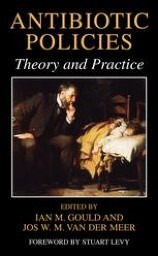
This unique book assembles contributions from experts around the world concerned with responsible use of antibiotics and the consequences of overuse. For the first time, it provides up to the minute texts on both the theoretical aspects of antibiotic stewardship and the practical aspects of its implementation, with consideration of the key differences between developed and developing countries
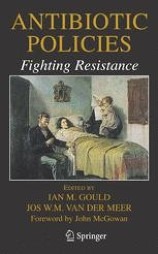
This book addresses many of the key issues taxing our society and hospitals in an era of epidemic resistance and shortage of new antibiotics. Written by internationally renowned experts in the field, this volume will provide practical advice and inform control strategies for the most urgent of problems related to antibiotic resistance epidemic for years to come. Antibiotic Policies: Fighting Resistance is an ideal volume for health professionals with an interest in this field.

سوريا - اتستراد درعا - غباغب
+963-15 2050 - 15 860 380 /1/2/3 - 11 662 3900