


تحسين النتائح
ترتيب حسب
من
الى

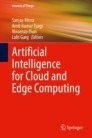
Discusses the future possibilities of AI with cloud computing and edge computing. Aims to conduct analyses, implementation and discussion of many tools (of artificial intelligence, machine learning and deep learning and cloud computing, fog computing, and edge computing including concepts of cyber security) for understanding integration of these technologies. Readers can quickly get an overview of these emerging topics and get many ideas of the future of AI with cloud, edge, and in many other areas. Topics include machine and deep learning techniques for Internet of Things based cloud systems; security, privacy and trust issues in AI based cloud and IoT based cloud systems; AI for smart data storage in cloud-based IoT; blockchain based solutions for AI based cloud and IoT based cloud systems.This book is relevent to researchers, academics, students, and professionals. Presents fusion of cloud computing services and AI technology for bringing a significant change in the technology industry; Includes self-assessment problems for increasing knowledge of real world problems, i.e., how AI and cloud/edge computing can change business for the better; Provides innovative results of integrations of AI in other applications such as healthcare, finance, manufacturing, transportation, agriculture, etc.
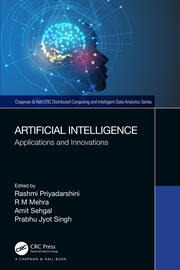
It's about the science of artificial intelligence (AI). AI is the study of the design of intelligent computational agents. This book provides a valuable resource for researchers, scientists, professionals, academicians and students dealing with the new challenges and advances in the areas of AI and innovations. This book also covers a wide range of applications of machine learning such as fire detection, structural health and pollution monitoring and control. Provides insight into prospective research and application areas related to industry and technology / Discusses industry- based inputs on success stories of technology adoption / Discusses technology applications from a research perspective in the field of AI / Provides a hands- on approach and case studies for readers of the book to practice and assimilate learning
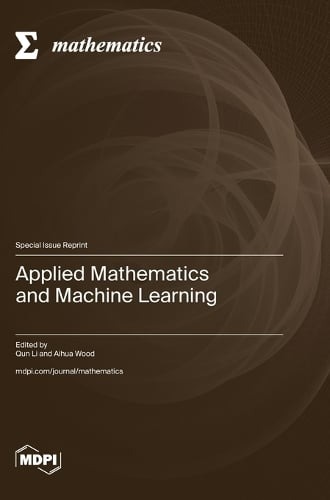
The simultaneous availability of large datasets and high-performance computing capability in recent years has enabled the rapid development of powerful machine learning algorithms. On the one hand, state-of-the-art machine learning techniques have transformed many areas of science and engineering; on the other hand, theoretical discoveries in mathematical algorithms, differential equations, and statistical inferences, to name a few, have provided the foundation for the exploration of new multidisciplinary models for solving practical problems. This Special Issue endeavors to continue the journey that started in our previous Special Issue (Applied Mathematics and Computational Physics) by providing a platform for researchers from both academia and industry, as well as government, to present their new computational methods that have engineering and physics applications.

Fuzzy logic systems have been a hot topic in the scientific and academic community for more than half a century. The idea of making machines behave and make decisions like humans do is astounding. The development and implementation of fuzzy logic systems can be seen in various real physical applications in daily human life. The methods employed using fuzzy logic have resulted in innovative technologies. This book provides insights into understanding the principles and concepts behind the advances of fuzzy logic systems. It presents ideas concerning fuzzy logic systems and their technological applications. The book is arranged into two sections on theories and foundations of fuzzy logic systems and implementations of fuzzy logic systems in service to the community.
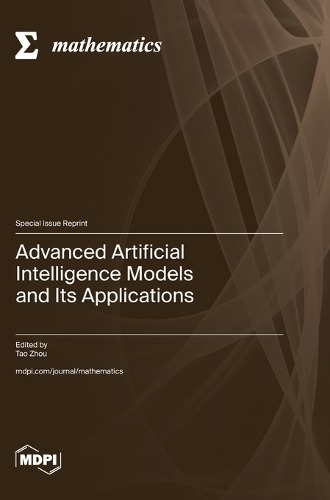
The field of artificial intelligence (AI) has undergone enormous expansion since its inception in the mid-20th century, as demonstrated by its application across an array of engineering and scientific challenges. Particularly in the last decade, AI has witnessed a significant breakthrough with the advent of deep learning, which has facilitated the employment of various AI models across a multitude of domains. This reprint features ten papers accepted for publication in the Special Issue titled "Advanced Artificial Intelligence Models and Their Applications," published in the MDPI Mathematics journal. These papers explore numerous facets of advanced artificial intelligence models and their applications, covering areas such as cybersecurity, image classification, logistics optimization, automatic music generation, human capital investment, writer recognition, remote sensing image indexing, target tracking, and more.
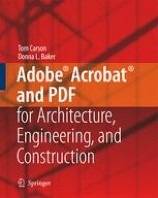
Adobe® Acrobat® and PDF for Architecture, Engineering, and Construction is designed to appeal to the engineering mind. The book is a practical guide focusing on the applications of PDF in the solution of "engineering" problems which may arise in a number of disciplines from architecture to construction. Using real-world examples, the authors follow a project from design through build and long-term maintenance. As the sample project evolves, suitable Acrobat® tools and techniques are identified and brought into play at each stage, showing readers how to personalize the context and processes to meet their own project development and management needs.

This book addresses action research (AR), one of the main research methodologies used for academia-industry research collaborations. It elaborates on how to find the right research activities and how to distinguish them from non-significant ones. Further, it details how to glean lessons from the research results, no matter whether they are positive or negative. Lastly, it shows how companies can evolve and build talents while expanding their product portfolio.
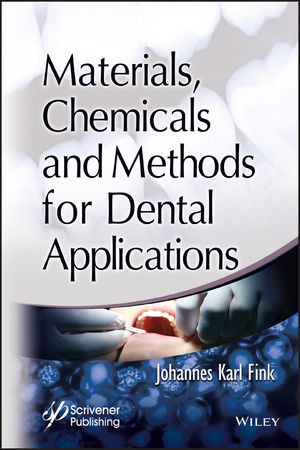
Focuses on the materials used for dental applications looking at the fundamental issues and the developments that have taken place the past decade. While it provides a broad overview of dental materials, the chemicals that are used for the preparation and fabrication of dental materials are explained as well. Also, the desired properties of these materials are discussed and the relevance of the chemical, physical, and mechanical properties is elucidated. Methods for the characterization and classification, as well as clinical studies are reviewed here. In particular, materials for dental crowns, implants, toothpaste compositions, mouth rinses, as well as materials for toothbrushes and dental floss are discussed. For example, in toothpaste compositions, several classes of materials an chemcials are incorporated, such as abrasives, detergents, humectants, thickeners, sweeteners, coloring agents, bad breath reduction agents, flavoring agents, tartar control agents, and others. These chemicals, together with their structures, are detailed in the text.
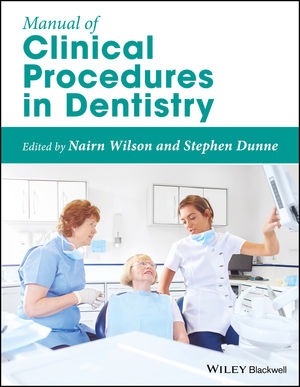
Explains the core procedures in dentistry, how to do them, and the rationale that underpins them. Full of useful and easy-to-access information, it acts as a compendium of practical procedures in primary dental care, supporting students and dental practitioners in their daily professional and academic lives. This manual is a complete, practical guide to the delivery of effective, state of the art oral healthcare—the ‘what, when, and how’ of clinical practice. It compiles chapters written by expert clinicians on topics such as dental imaging, the management of dental pain, conscious sedation, operative dentistry, implant dentistry, oral medicine and surgery, paediatric dentistry, periodontics, prosthodontics, special care dentistry, dental trauma, aesthetic dentistry, and much more.
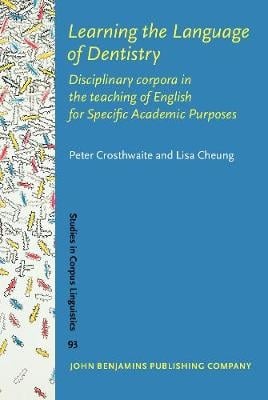
Explores the affordances of disciplinary corpora for the teaching and learning of the language of dentistry, within the field of English for Specific Academic Purposes (ESAP). We extract disciplinary register features and vocabulary from three key genres of the dentistry discipline (published experimental research articles, case reports, and novice/professional research reports within the Dental Public Health domain), before integrating these features into ESAP pedagogy in the form of corpus-based ESAP materials that promote student-led direct engagement with disciplinary corpora – an approach known as 'data-driven learning'. This book is a timely and relevant addition to the field of corpus linguistics and ESAP, and is especially targeted at ESAP professionals who are required to teach disciplinary discourses but who may struggle to know what to teach as non-experts of the target discipline.
The book has been well received internationally by a wide audience of clinicians, including general dentists, oral surgeons, otolaryngologists, primary care physicians, nurse practitioners, dental hygienists, physician assistants, and dermatologists, and sales have been strong among students and post-graduate residents training in medical, dental, and allied health fields, supporting the versatility of this work and serving as testimony to its value in both the academic and private practice arenas. Several key updates and improvements have been made to the second edition. All informational content has been updated to ensure accuracy and relevance, particularly in the rapidly evolving fields of oncology and pharmacology. A new chapter has been added entitled "Oral Sequelae of Cancer and Cancer Therapy" which better organizes and consolidates previous content while expanding on topics such as targeted therapies and hematopoietic stem cell transplantation. Additional clinical images have been included throughout the book so that the full clinical spectrum of any given condition is well-represented. Furthermore, the print quality, as well as the positioning and layout of the clinical images has been improved for optimal utility. Lastly, the summary boxes that follow each condition have been reconfigured with color-coded icons for improved definition, ease of use and cross-referencing.
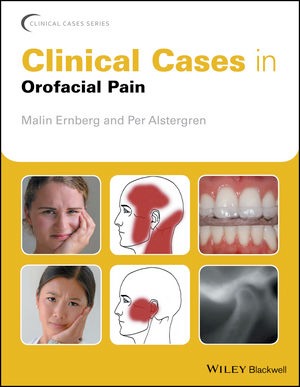
Individual cases cover temporomandibular joint disorders, masticatory muscle disorders, headache, neuropathic pain, dental pain, tooth wear, and dystonia. Following the popular Clinical Cases series style, cases are presented with associated academic commentary, including background information, diagnostic criteria and fundamental points that might influence the diagnosis, treatment planning or management of the case.
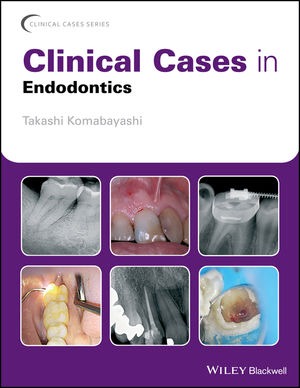
Presents actual clinical cases, accompanied by academic commentary, that question and educate the reader about essential topics in endodontic therapy. It begins with sets of cases illustrating the most common diagnoses and the steps involved in preparing a treatment plan. Subsequent chapters continue in this style, presenting exemplary cases as the basis of discussing various treatment options, including nonsurgical root canal treatment, re-treatment, periapical surgery, internal and external resorption, emergencies and trauma, and treating incompletely developed apices.
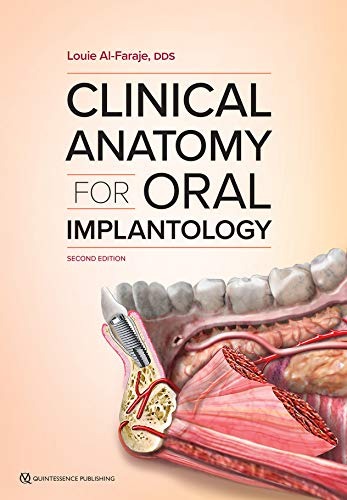
Designed with the practicing implantologist in mind, and it has been revitalized to have the utmost relevance to the clinical reality of oral implantology today. Impeccable full-page illustrations demonstrate a detailed view of each anatomical area, and clinical photos, radiographs, CBCT scans, and cadaver specimens provide a complete picture of what the clinician can expect to encounter.
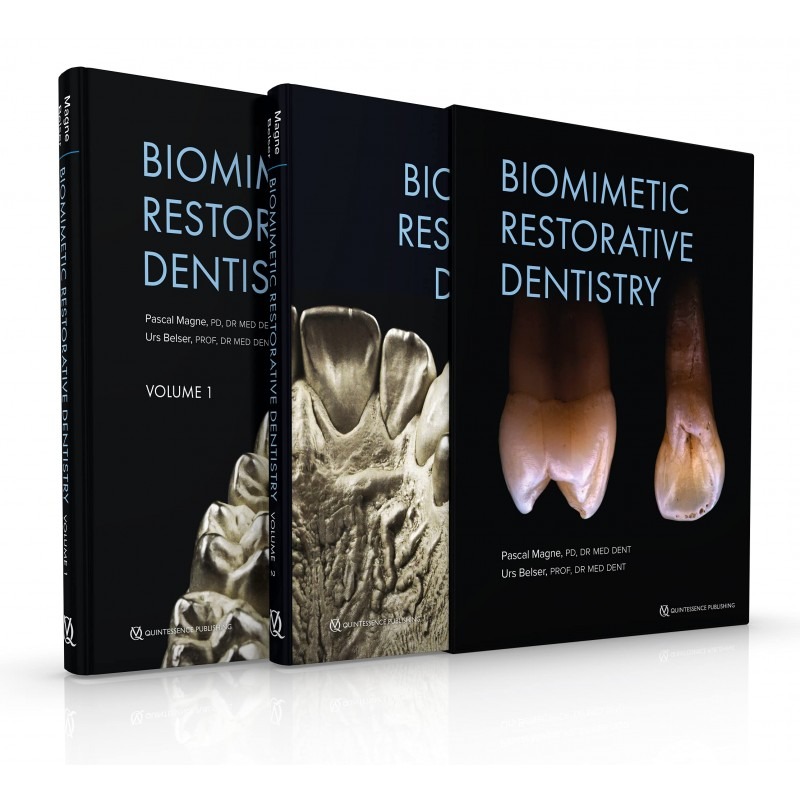
Takes the science of esthetic dental reconstruction to a new level both clinically and academically, and it offers all that a clinician could wish for in terms of indications and the classic clinical steps for tooth preparation, laboratory and CAD/CAM procedures, adhesive luting procedures, and maintenance. But above all, what makes this book so unique is the biomimetic principle—as such, restoring or mimicking the biomechanical, structural, and esthetic integrity of teeth is paramount. The core of this book centers on the application of the biomimetic principle in the form of bonded restorations using composite resins and ceramics, covering indications, treatment planning, diagnosis, tooth preparation and impression, laboratory and CAD/CAM procedures, final delivery, follow-up, maintenance, and repair. Written by a true master and artist, this book will undoubtedly inspire excellence in anyone who picks it up.
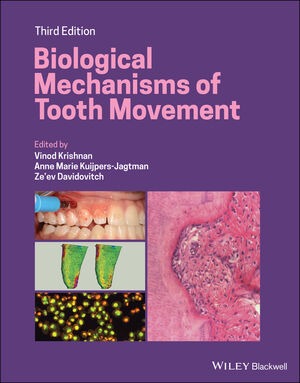
Cover subjects such as: The development of biological concepts in orthodontics, including the cellular and molecular biology behind orthodontic tooth movement Mechanics meets biology, including the effects of mechanical loading on hard and soft tissues and cells, and biological reactions to temporary anchorage devices Inflammation and orthodontics, including markers for tissue remodeling in the gingival crevicular fluid and saliva Personalized diagnosis and treatment based on genomic criteria, including the genetic influences on orthodontic tooth movement Rapid orthodontics, including methods to accelerate or decelerate orthodontic tooth movement Perfect for residents and PhD students of orthodontic and periodontal programs, Biological Mechanisms of Tooth Movement is also useful to academics, clinicians, bone biologists, and researchers with an interest in the mechanics and biology of tooth movement.
Reviews the progress made in salivary diagnostics during the past two decades and identifies the likely direction of future endeavors. After an introductory section describing the histological and anatomical features of the salivary glands and salivary function, salivary collection devices and diagnostic platforms are reviewed.
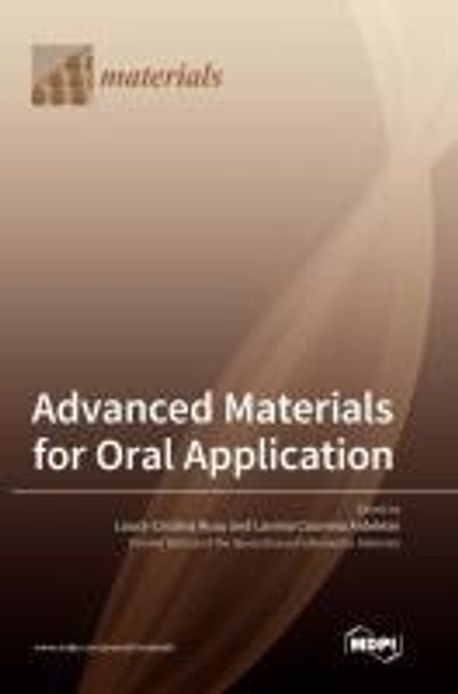
Consists of one editorial, 12 original research articles and two review papers from scientists across the world, with expertise in materials for dental application. The main subjects covered are: biomaterials and techniques for oral tissue engineering and regeneration; biomaterials for surgical reconstruction; CAD/CAM technologies and dedicated materials; novel restorative and endodontic materials and instruments.
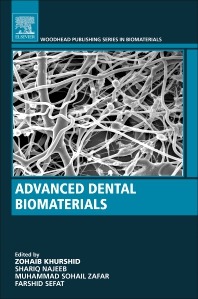
Advanced Dental Biomaterials is an invaluable reference for researchers and clinicians within the biomedical industry and academia. The book can be used by both an experienced researcher/clinician learning about other biomaterials or applications that may be applicable to their current research or as a guide for a new entrant into the field who needs to gain an understanding of the primary challenges, opportunities, most relevant biomaterials, and key applications in dentistry.
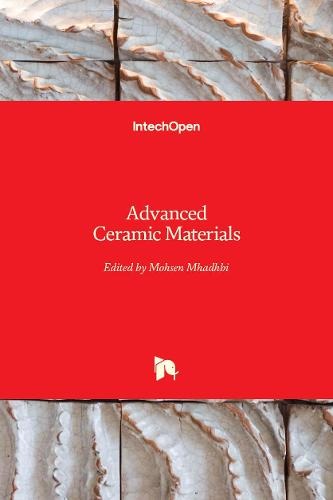
Examines exciting advancements in the field of ceramics, including nanotechnology, clean energy, and tribology as well as fundamental concepts like defects and structure. It is a comprehensive discussion on how today’s ceramics are processed and used in many of today’s critical technologies. It discusses current techniques for synthesizing durable and cost-effective ceramic components with biocompatibility, complexity, and high precision. This book is a comprehensive reference for researchers, engineers, dental clinicians, biologists, academics, and students interested in ceramics.

سوريا - اتستراد درعا - غباغب
+963-15 2050 - 15 860 380 /1/2/3 - 11 662 3900