



الصفحة 5
الصفحة 5

Microbiology of Extreme Soils
This volume provides an excellent introduction to the study of extreme soil micro-biology, and a variety of the challenging and fascinating environments that Earth-bound microbes face. Some are natural, and some are the result of human activity, and all of them have lessons to teach us about life’s adaptations within the “extreme” hori-zons of terrestrial soils. What’s more, each of these chapters (including the chapter on the soils of Mars by Ronald L. Crawford and David A. Newcombe) can give us insights into strategies that may make life possible beyond the safe confines of our present-day biosphere, to other worlds in this solar system and beyond

Microbial Root Endophytes
Plant roots may not only be colonized by mycorrhizal fungi, but also by a myriad of bacterial and fungal root endophytes that are usually not considered by the investigators of classic symbioses. This is the first book dedicated to the interactions of non-mycorrhizal microbial endophytes with plant roots. The phenotypes of these interactions can be extremely plastic, depending on environmental factors, nutritional status, genetic disposition and developmental stages of the two partners. The book deals with diversity, life history strategies, interactions, applications in agriculture and forestry, methods for isolation, cultivation, and both conventional and molecular methods for identification and detection of these endophytes. The comprehensive reviews demonstrate the high diversity of interactions and will provoke further studies to better understand the mechanisms which determine whether a plant-microbial interaction remains asymptomatic, leads to disease or to a mutualistic interaction.

Microbial protein toxins
Since the initial establishment of Robert Koch’s postulates in the nineteenth century, microbial protein toxins have been recognized as a major factor of bacterial and fungal virulence. An increasing number of proteins produced and secreted by various bacteria, yeasts and plants are extremely toxic and most of them developed remarkably "intelligent" strategies to enter, to penetrate and to finally kill a eukaryotic target cell by modifying or blocking essential cellular components. This book describes the strategies employed by protein toxins to render their pro- and eukaryotic producers a selective growth advantage over competitors. In providing an up-to-date overview on the mode of protein toxin actions, it accommodates biomedically and biologically relevant toxin model systems. As a result, it significantly broadens our perspective on biochemical architecture and molecular ploy behind the lethal principles of pro- and eukaryotic toxins.

mHealth Innovation in Asia : Grassroots Challenges and Practical Interventions
Offers a detailed account of a range of mHealth initiatives across South, Southeast and East Asia. It provides readers with deep insights into the challenges such initiatives face on the ground, and a view of the diverse cultural contexts shaping strategies for overcoming these challenges. The book brings together various discussions on the broader mHealth literature, and demonstrates how a research focus on diverse Asian contexts influences the success and/or failure of current mHealth initiatives. It also highlights the important roles social scientists can play in advancing theoretical approaches, as well as planning, implementing and evaluating mHealth initiatives. The book is a valuable resource for project planners, policy developers in NGOs and government institutions, as well as academics, researchers and students in the fields of public health, communications and development studies.

Metric Driven Design Verification : An Engineer's and Executive's Guide to First Pass Success
A metric based flow is described that focuses on the four steps of: 1. Planning: Defining what needs to be done and the automatically trackable metrics that will be used to measure progress. 2. Execution: Implementing verification environments and then extensively exercising the device under verification utilizing comprehensive, massively parallel regression strategies. 3. Measurement: Automatically capturing the metrics defined in planning to provide objective data with which to manage the verification project. Custom tailoring those metrics through an automated reporting framework to provide all stakeholders a real-time meaningful view of project status. 4. Response: Utilizing the returned metrics to effectively adapt to changing project conditions. Making use of automated response mechanisms to automate engineering processed and management response to streamline project management processes

Methods and Tools for Drought Analysis and Management
Implementation of effective drought management policies requires both advanced technologies and appropriate methods. Monitoring and forecasting systems, practical tools for risk assessment, as well as simple and objective criteria to select and implement appropriate drought mitigation measures are key elements for a successful drought management strategy.These key issues have been tackled by universities and public agencies involved in the EU projects Sedemed and Sedemed II (Programme Interreg IIIB MEDOCC), aimed at the definition of an integrated network for real time monitoring of drought, the development of common methodologies for drought analysis and forecasting, as well as the definition of proper mitigation strategies for the Mediterranean countries.The book presents the main outcomes of such projects with a special focus on: drought monitoring and forecasting echniques at different spatial scales; new or modified agrometeorological indices and remote sensing technique for drought identification and characterization; tools to improve surface water resources management under drought conditions; methods and tools for groundwater resources monitoring and management, based on hydrogeological and hydrodynamics characteristics of aquifers; general criteria to select and implement mitigation strategies to prevent or minimize drought impacts.

Metal Catalyzed Cascade Reactions
Transition metal-catalyzed cascade reactions are an elegant approach to complex molecular scaffolds. Besides their esthetics and increase in structural complexity, they have also become mechanistic challenges for the combination of organometallic elementary steps. As a consequence, cascade reactions have revolutionized synthetic strategies and conceptual thinking. The authors highlight cyclization via carbopalladation and acylpalladation and Heck-pericyclic sequences. They discuss p-allyl palladium-based cascade reactions, Michael-type additions as an entry to transition-metal-promoted cyclizative transformations, and sequential or consecutive palladium-catalyzed processes, and show Pauson-Khand cascades, metal-catalyzed cyclizations of acyclic precursors, as well as cascade and sequential ruthenium-catalyzed transformations. Therefore, the reader finds overview of an exciting and highly dynamic field of a new and innovative methodological concept

Metabolomics : A powerful tool in systems biology
This book brings together the latest results in the field of metabolomics. It comprehensively presents the current state of the metabolomics field by underscoring experimental methods, analysis techniques, standardization practices, and advances in specific model systems. As a result, it significantly broadens our perspective on the principles and strategies underpinning this emerging field.
Metabolome Analyses : Strategies for Systems Biology
Metabolome Analyses is intended as a follow-up to Metabolic Profiling: Its Role in Biomarker Discovery and Gene Function Analysis (Kluwer, 2003). That text offered guidelines to currently available technology, bioinformatics and databases. Evidence was presented showing metabolic profiling as a valuable addition to genomics and proteomics strategies devoted to drug discovery and development. This book focuses on how metabolic profiling is being more comprehensively integrated with the other "omics" technologies. It provides more practical applications of such "panomics" or "Systems Biology" approaches. The expanding use of mass spectrometry as a measurement technology in metabolic profiling is addressed through demonstrated applications. The integration of metabolic profiling and proteomics is probably most developed for plant-based studies, which was not addressed in Volume 1. Other areas related to metabolic profiling continue to show significant development. These include database strategies and an increased acceptance by the pharmaceutical industry of metabolic profiling. Also covered is the use of in silico metabolic networks. Again the focus is primarily on the pharmaceutical industry but the importance of metabolic profiling to studies on human nutrition (a burgeoning area) is discussed.

Messenger RNA therapeutics
Focuses on the fundamentals and applications of messenger RNA (mRNA)-based therapeutics and discusses the strengths and key challenges of this emerging class of drugs. In the past 30 years, extensive research and technological development in many areas have contributed to the emergence of in vitro transcribed mRNA as a therapeutic that has now reached clinical testing. Formulations that protect the mRNA from nucleases and accelerate its cellular uptake, combined with improvements to the mRNA molecules themselves, have been critical advancements for mRNAs to become viable therapeutics. Though once regarded as a serious impediment, the transient nature of mRNA technology is now considered a major advantage in making mRNA therapies safe and, ultimately, a potential game changer in the field of medicine. This new book in the RNA Technologies series provides a state-of-the-art overview on the emerging field of mRNA therapeutics covering essential strategies for formulation, delivery, and application. It also reviews the promising role in cancer immunotherapy, respiratory diseases, and chronic HBV infection and discusses RNA vaccines in light of the current COVID-19 pandemic. mRNA-based approaches have great potential to revolutionize molecular biology, cell biology, biomedical research, and medicine.
Meeting Basic Learning Needs in the Informal Sector : Integrating Education and Training for Decent Work, Empowerment and Citizenship
This anthology brings together basic facts and features about basic learning needs and skills of people working and living in the informal economy and presents case studies from different countries examining educational and training strategies for meeting these learning needs. It portrays the grave problems facing educational and training systems vis-á-vis informal sector workers, even as they look at holistic solutions that take into account principles of lifelong learning and innovations in informal, non-formal and formal adult learning, and show a growing awareness that education is a human right of fundamental significance to promoting decent work and humane living conditions.
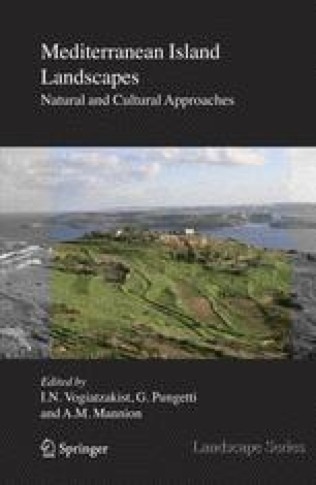
Mediterranean Island Landscapes : Natural and Cultural Approaches
Mediterranean islands exhibit many similarities in their biotic ecological, physical and environmental characteristics. There are also many differences in terms of their human colonization and current anthropogenic pressures. This book addresses in three sections these characteristics and examines the major environmental changes that the islands experienced during the Quaternary period. The first section provides details on natural and cultural factors which have shaped island landscapes. It describes the environmental and cultural changes of the Holocene and their effects on biota, as well as on the current human pressures that are now threats to the sustainability of the island communities. The second section focuses on the landscapes of the largest islands namely Sicily, Sardinia, Corsica, Cyprus, Crete, Malta and the Balearics. Each island chapter includes a special topic reflecting a particular characteristic of the island. Part three presents strategies for action towards sustainability in Mediterranean islands and concludes with a comparison between the largest islands.

Medicinal plants and antimicrobial therapies
Serves as an excellent comprehensive material covering the current understandings and updates on antimicrobial resistance (AMR) and the use of medicinal plant resources for tackling it. Chapters cover important aspects of AMR and strategies to address this threatening issue with medicinal plants and their resources. One health perspectives for addressing AMR have been presented for the readers. Antimicrobial medicinal plant therapeutic resources including crude extracts, active fractions, pure molecules and essential oils, besides using them as functionalizing agents for nano-antimicrobials have been covered. Further, plant endophytes as a source of antimicrobial compounds have been discussed. Chapters cover both the bactericidal as well as resistance-reversal (or potentiating/ combinatorial therapies) potencies of medicinal plant resources. The book also focuses on how medicinal plant resources effectively target major determinants of AMR.
Medical Retina
Although the treatment of retinal diseases remains one of the most challenging fields in ophthalmology, the standard of knowledge has improved substantially over the past few years. The insight into basic mechanisms of disease has been expanded and novel diagnostic and therapeutic strategies have been developed, bridging the gap between laboratory and clinical science.

Mechanisms, Symbols, and Models Underlying Cognition ; 1st International Work-Conference on the Interplay Between Natural and Artificial Computation, IWINAC 2005, Las Palmas, Canary Islands, Spain, June 15-18, 2005, Proceedings, Part I
Constitute the refereed proceedings of the First International Work-Conference on the Interplay between Natural and Artificial Computation, IWINAC 2005. This two-volume set contains papers that are related with the conceptual developments in the fields of Neurophysiology and cognitive science, and also to bioinspired programming strategies.

Mechanisms of Angiogenesis
Is it advisable to go back from bedside to the bench? During the last decade, few topics encountered such a broad interest in bio- gy and medicine as angiogenesis. The amazing ability of the body to restore blood flow by induction of blood vessel growth as part of an adaptive process has alarmed physicians dealing with diseases in which angiogenesis is either exaggerated (as in tumors) or too slow (as in ischemic diseases of heart and brain). Not surprisingly, pro- and antiangiogenic strategies have found their way into clinical trials. For instance, for the USA, the NIH website in early 2004 displayed 38 clinical studies involving either pro- or antiangiogenic th- apies. Given the expected overwhelming wealth of clinical data, the question may be asked whether further exploration of biological mechanisms is required or whether results from the bedside are instructive enough to proceed. This question depends also on the progress of pro- and antiangiogenic clinical trials. In the following, I give a short overview about some of the progress that has been made in this field. Since Judah Folkman proposed antiangiogenic tumor therapy thirty years ago, it has become increasingly evident that agents which interfere with blood vessel formation also block tumor progression. Accordingly, antiangiogenic therapy has gained much attention as a potential adjunct to conventional c- cer therapy.

Measuring Precipitation from Space : EURAINSAT and the Future
More than 20 years after the last book on the subject the worldwide precipitation community has produced a comprehensive overview of its activities, achievements, ongoing research and future plans. Measuring Precipitation from Space presents state-of-the-art rainfall estimation algorithms, validation strategies, precipitation modelling, and assimilation in numerical weather prediction models. Clouds and precipitation observations and modelling are addressed for the improvement of the rainfall product quality. Special attention is given to the applications to monitoring and forecasting weather events and to climate monitoring in a frame of growing public interest.

Measuring Methane Production from Ruminants
The world’s livestock sector is amidst a major transformation, fuelled by high demand for meat and milk, which is likely to double over the next two decades in developing countries. The challenge is to enhance animal productivity without adversely affecting the environment. A key to this is reducing methane emissions from ruminants. The major limitation to ruminant production in many tropical regions of Africa, Asia and Latin America, where a large proportion of the global ruminant population is located, is poor nutrition. The productivity of animals is restricted by the low nitrogen and high fibre content of the native grasses and crop residues, which form the basis of the diets in these regions. Animals on these types of diets emit more methane than animals fed better quality temperate forages. These methane emissions represent a loss of digestible energy to the animal (up to 15%) as well as a threat to the environment.The challenge is to devise nutritional strategies and identify dietary components, particularly from locally available plant resources, that reduce methane emissions.

MCITP self-paced training Kit (Exam 70-444) : Optimizing and maintaining a database administration solution microsoft SQL server 2005
Designed to help you make the most of your study time. Maximize your performance on the exam by learning to: * Monitor and troubleshoot queries, databases, and servers * Help defend against injection attacks, denial of service attacks, worms, and viruses * Manage security strategies and perform audits * Detect and resolve data conflicts * Diagnose faults and recover from database failures and disasters * Optimize database availability with failover clustering, database mirroring, log shipping, and replication * Customize a maintenance strategy and automate routine tasks * Build, debug, and deploy SQL Server Integration Services packages PRACTICE TESTS Assess your skills with practice tests on CD. You can work through hundreds of questions using multiple testing modes to meet your specific learning needs. You get detailed explanations for right and wrong answers-including a customized learning path that describes how and where to focus your studies. Your training kit includes: Details inside. * Official self-paced study guide. * Practice tests with multiple, customizable testing options and a learning plan based on your results. *400+ practice and review questions. * Case scenarios, practice exercises, and best practices. *180-day evaluation version of Microsoft SQL Server 2005 Enterprise Edition. * Fully searchable eBook of this guide.

Mathematics for enzyme reaction kinetics and Reactor performance ; 2 Volumes set
The second volume begins with an introduction to basic concepts in calculus, i.e. limits, derivatives, integrals and differential equations; limits, along with continuity, are further expanded afterwards, covering uni- and multivariate cases, as well as classical theorems. After recovering the concept of differential and applying it to generate (regular and partial) derivatives, the most important rules of differentiation of functions, in explicit, implicit and parametric form, are retrieved – together with the nuclear theorems supporting simpler manipulation thereof. The book then tackles strategies to optimize uni- and multivariate functions, before addressing integrals in both indefinite and definite forms.
