


تحسين النتائح
ترتيب حسب
من
الى

"Reduce, Reuse, Recycle, and Recover" is the sustainable guideline that has replaced the "Take, Make, Waste" attitude of the industrial age. Based on their background at the ETH Zurich and the Future Cities Laboratory in Singapore, the authors provide both a conceptual and practical look into materials and products which use waste as a renewable resource. It looks into innovative concepts of how materials usually regarded as waste can be processed into new construction elements. The products are organized along the manufacturing processes: densified, reconfigured, transformed, designed and cultivated materials.
Examines the recent resurgence of interest in the handmade building and the use of local and renewable materials in contemporary construction. In the past, raw materials were shaped to provide shelter and to accommodate the cultural, social, and economic needs of individuals and communities. This is still true today as architects, engineers, and builders turn once again to local resources and methods, not simply for constructing buildings, but also as a strategy for supporting social engagement, sustainable development, and cultural continuity. Building from Tradition features global case studies that allow readers to understand how building practices-developed and refined by previous generations-continue to be adapted to suit a broad range of cultural and environmental contexts. The book provides: a survey of historical and technical information about geologic and plant-based materials such as: stone, earth, reed and grass, wood, and bamboo; 24 detailed case studies examining the disadvantages and benefits to using traditional materials and methods and how they are currently being integrated with contemporary construction practices
Delivers a concise visual introduction to the 2021 International Building Code (IBC) distilled from the industry bestseller Building Codes Illustrated. With clear language and Frank Ching's distinctive illustrations, the book offers readers a sound understanding of the foundations of the IBC. A solid understanding of the fundamentals of the 2021 International Building Code for students without a background in architecture or engineering Intuitive and memorable study material for people seeking licensure via the Architect Registration Exam Visually striking and memorable material designed to catch the reader's eye, hold attention, and improve retention
Provides in-depth information Numerous practical tips, clear explanations, concrete examples Aims and Scope Architectural models are used at various stages of a project. As working models they support the design process: they are made up from time to time using simple materials, such as cardboard, without any attempt at accuracy, and continue to be adjusted and added to as the ideas and the design progress. The point here is to swiftly check a design idea, to allow it to be continued or dismissed. Presentational models are more involved; at this stage the design has been completed and the purpose of the model is to convey the ideas to the potential user in a clear and easy-to-understand way.
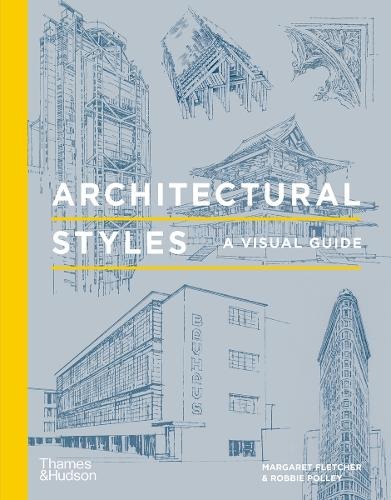
It begins with the earliest styles of the ancient civilizations – Egypt, Greece and Rome – before travelling through Medieval, Renaissance and Baroque and into the modern world via the panoply of 19th century revivalist styles. Also covered is the traditional architecture of China, India, Japan and Pre-Columbian America. A final section gathers together key architectural elements from different periods – columns, towers, doorways, windows.
Examines every aspect of the the use of materials in interior design, from initial concept and selection to visual representation and practical application.
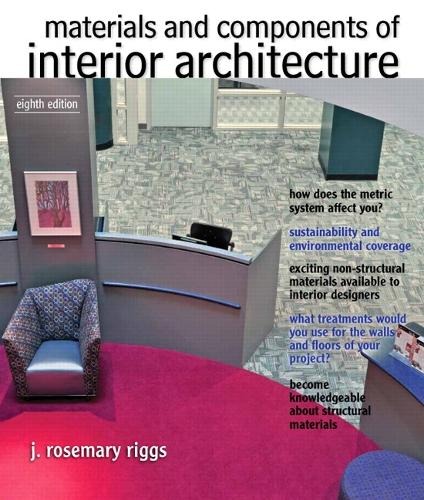
Offers a unique look at interior design,fully covering the exciting breadth of nonstructural materials available to interior designers. With an eye on the environment, it instills a firm understanding of the products, properties, and uses of all materials—from floors, walls, and ceilings to installation and recycling. Going beyond paint and carpet, it explores over 27 different floorings and devotes separate chapters to kitchens and baths. Filled with the latest information from manufacturers, suppliers, and associations, it provides students with the knowledge to creatively engage the “nuts and bolts” of interior design—both in terms of structure and style.
An essential reference for interior designers learning how to manually draft scaled floor plans, elevations, sections, and three-dimensional drawings. Clearly explaining techniques and methods, it begins with an explanation of drafting tools and their various uses, and then presents instructions and illustrations that indicate how to complete increasingly more difficult drafting conventions. Additionally, readers will learn drawing techniques for indicating various materials, symbols for coordinating related drawings, and architectural lettering. Complemented with extensive drawings, inspiring examples, and tips for developing your own style of graphic expression, Manual Drafting for Interiors arms readers with essential skills they'll use throughout their career as a designer.
Without light, interior architecture cannot be fully designed and experienced. It is one of the key tools for an interior designer, but can be a dauntingly technical subject for students. This book takes a detailed, practical look at lighting in interior design, giving students all the key information and skills they need to be able to tackle lighting successfully in their designs
Offering fundamental concepts and prescriptive techniques in a highly visual format, this book provides clear, practical guidance on utilizing the latest in lighting techniques and technology to showcase a space without sacrificing utility. Covering more than 25 different design scenarios with in-depth rationale for proposed solutions, this book provides insightful distribution diagrams, floor plans, and details for lighting installation and construction. Real-world case studies illustrate lighting design in residential, commercial, healthcare, education, and hospitality settings, and skill-building exercises offer practice for real-world projects as well as NCIDQ and NCARB exam preparation.
Launching the Imagination treats design as both a verb and a noun—as both a process and a product. Through an immersion in 2D, 3D, and 4D concepts and possibilities, students develop visual thinking strategies that will serve them throughout their studies and their careers. They discover that design is deliberate—a process of exploring a wide range of solutions and choosing the most promising option for development. They are encouraged to analyze each resulting solution thoughtfully in order to produce the clearest and most inventive solution to each assignment.

A guidebook for landscape architects to learn the fundamental practices and use of the computational software Rhino 3D and the plugin Grasshopper for parametric modeling, landscape inventory, and performative analysis. This process visually connects intangible and abstract information with physical and spatial relationships to signify the impact ecological, climate, and cultural factors have on landscape performance and decision making.
Posits that though color and lighting effects appear natural, fleeting, and difficult to comprehend, the sensory palette of built landscapes and gardens has been carefully constructed to shape our experience and evoke meaning and place character. Landscape Design in Color: History, Theory, and Practice 1750 to Today is an inquiry into the themes, theories, and debates on color and its impact on practice in Western landscape architecture over the past three centuries.
Kuwabara Payne McKenna Blumberg Architects, founded in 1987 in Toronto, is one of most innovative architectural offi ces in North America today. They have made a name for themselves both for their integrated design process embodying collaboration with experts, clients and future users as well as the diversity of their aesthetically refined and finely detailed designs. The work ranges from cultural institutions such as the Toronto International Film Festival and Orchestra Hall in Minneapolis to ecologically innovative concepts such as Manitoba Hydro Place in Winnipeg, developed with leading climate engineers Transsolar of Stuttgart.

The development of modern architecture in Korea and, more recently, South Korea, is closely tied to the country’s dramatic transformations since the late 19th century.The architectural analyses, ranging from Hwaseong Fortress to 21st-century constructions like Paju Book City, Ssamziegil Shopping Center, the Boutique Monaco skyscraper, and the Bauzium Sculpture Museum, focus on buildings in which the formation of a specifically Korean modernism is particularly observable. The appendix includes biographical descriptions of major architectural figures.
Guide to "greening" these important rooms. The first book to focus exclusively on kitchen and bath sustainability, this full color guide covers every consideration for both remodels and new construction, making it a handy reference for any kitchen and bath professional. Case studies of award-winning projects demonstrate how space, budget, and sustainability can come together to create beautiful, functional, efficient rooms, and illustrations throughout provide visual examples of the techniques discussed. The book includes information on greening one's practice for the client's benefit, plus an appendix of additional resources and instructional materials for classroom use.
A colour reference for all types of designers, artists and anyone who used colour in their work or creative pursuits. Along with some basic colour theory, the guide provides hundreds of one, two, and three-colour combinations selected to reflect a range of moods and adjectives. It includes information on creating special effects using metallic and fluorescent colour palettes, as well as a section devoted to the psychology of colour. The authors help readers determine their best colours and suggest why some colours may inspire creativity while others don't. The book also includes two colour palette sections reflecting black and white as the colour base, along with an expanded and updated colour trends sections that discusses trends and how they are predicted, giving advice on how to be a trend spotter.
Presents latest work creating (or recreating) cityscapes on a human scale. He clearly explains the methods and tools he uses to reconfigure unworkable cityscapes into the landscapes he believes they should be: cities for people. Taking into account changing demographics and changing lifestyles, Gehl emphasizes four human issues that he sees as essential to successful city planning. He explains how to develop cities that are lively, safe, sustainable, and healthy. Focusing on these issues leads Gehl to think of even the largest city on a very small scale. For Gehl, the urban landscape must be considered through the five human senses and experienced at the speed of walking rather than at the speed of riding in a car or bus or train. This small-scale view, he argues, is too frequently neglected in contemporary projects. In a final chapter, Gehl makes a plea for city planning on a human scale in the fast-growing cities of developing countries.
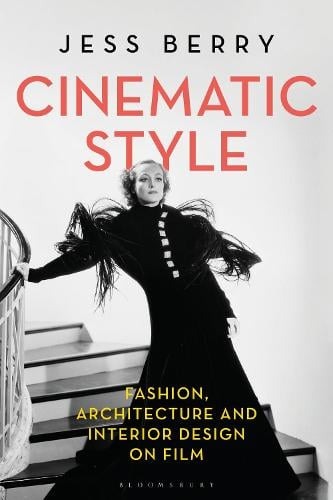
This book is the first to consider the significant interplay between fashion and interiors and their combined contribution to cinematic style from early film to the digital age. With examples from Frank Lloyd Wright inspired architecture in Hitchcock's North by Northwest, to Coco Chanel's costumes for Gloria Swanson and a Great Gatsby film-set turned Ralph Lauren flagship, Cinematic Style describes the reciprocal relationship between these cultural forms. Exposing the bleeding lines between fashion and interiors in cinematic and real-life contexts, Berry presents case studies of cinematic styles adopted as brand identities and design movements promoted through filmic fantasy.
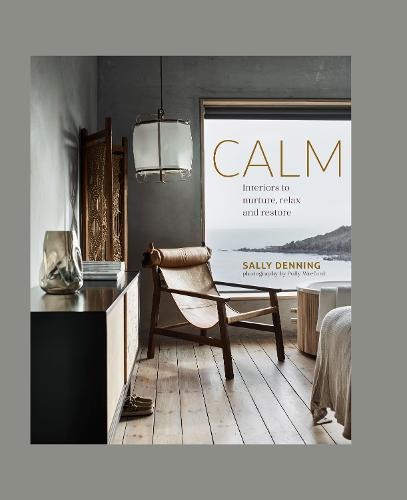
Home should be a place to retreat from the everyday. Creating a home that instills a sense of calm will cocoon and protect us from the outside world, create a sense of wellbeing and make us feel truly nurtured. Calm will help you create a restful, restorative interior that draws you in and makes your shoulders drop the moment you walk through the door. Sally Denning first explores the essential foundations of a tranquil, comforting home: calming and harmonious colors, textiles, patterns, lighting, and decorative elements.

سوريا - اتستراد درعا - غباغب
+963-15 2050 - 15 860 380 /1/2/3 - 11 662 3900