



الصفحة 4
الصفحة 4

Ergodic Dynamics : From Basic Theory to Applications
This textbook provides a broad introduction to the fields of dynamical systems and ergodic theory. Motivated by examples throughout, the author offers readers an approachable entry-point to the dynamics of ergodic systems. Modern and classical applications complement the theory on topics ranging from financial fraud to virus dynamics, offering numerous avenues for further inquiry. Starting with several simple examples of dynamical systems, the book begins by establishing the basics of measurable dynamical systems, attractors, and the ergodic theorems. From here, chapters are modular and can be selected according to interest. Highlights include the Perron–Frobenius theorem, which is presented with proof and applications that include Google PageRank. An in-depth exploration of invariant measures includes ratio sets and type III measurable dynamical systems using the von Neumann factor classification. Topological and measure theoretic entropy are illustrated and compared in detail, with an algorithmic application of entropy used to study the papillomavirus genome. A chapter on complex dynamics introduces Julia sets and proves their ergodicity for certain maps. Cellular automata are explored as a series of case studies in one and two dimensions, including Conway’s Game of Life and latent infections of HIV. Other chapters discuss mixing properties, shift spaces, and toral automorphisms.

Emerging Infections in Asia
Emerging Infections in Asia offers a comprehensive overview of well studied and lesser-known infectious syndromes affecting local, regional, and international health, concentrating on their greatest areas of transmission.

Effect of Cranberry in the Treatment of E. Coli
Escherichia coli (E. coli) bacteria normally live in the intestines of healthy people and animals. It may cause severe stomach cramps, bloody diarrhoea, vomiting and UTI. You may be exposed to E. coli from contaminated water or food especially raw vegetables and undercooked ground beef. Healthy adults usually recover from infection with E. coli within a week. Young children and older adults have a greater risk of developing a life-threatening form of kidney failure. Cranberries are a popular superfood. People can consume them in the form of a sauce or a juice. They can also add them to stuffing, casseroles, or dessert. In fact, research has linked the nutrients in cranberries to a lower risk of urinary tract infection (UTI), the prevention of certain types of cancer, improved immune function, and decreased blood pressure

ECZEMA (Atopic Dermatitis)
Atopic dermatitis (eczema) is a condition that makes your skin red and itchy. It's common in children but can occur at any age. Atopic dermatitis is long lasting (chronic) and tends to flare periodically. It may be accompanied by asthma or hay fever. No cure has been found for atopic dermatitis, Certain substances or conditions called trigger factors can cause eczema to flare-up: Irritants such as soaps and detergents, wool, skin infections, dry skin, low humidity, heat, sweating or emotional stress. Allergens such as dust mites, pollen, moulds, or foods.and the treatment for the condition aims to heal the affected skin and prevent flares of symptoms.Topical medications (typically, steroids or other anti-inflammatory medications, and found a correlation between eczema and the Quality of life, Recently some study have done to study the relation with COVID-19.

Drug-Induced Oral Complications
Provides detailed information on the prevalence and manifestations of the most important oral complications associated with different drug treatments, focusing especially on recently developed therapies. Among the diverse adverse drug reactions covered are gingival overgrowth, ulcerations, lichenoid reactions, pigmentation, and bullous reactions. The potential direct toxic effects on bone of drugs that prevent bone mass loss, such as bisphosphonates and denosumab, are fully examined, as is the occurrence of spontaneous oral bleeding in patients receiving antithrombotic therapies. Further chapters focus on drug-induced taste disorders and salivary gland disturbances, including xerostomia, swelling, and hypersalivation. The enhanced risk of oral infections when using chemotherapy and biotherapy is addressed, and the closing chapter examines drug-related perioral and facial complications. This book is a collaborative work that brings together clinicians, surgeons, and specialists in drug safety surveillance.

Drug interactions in infectious diseases : Antimicrobial drug interactions
Delivers a quick clinical resource that distills relevant drug interactions by antimicrobial drug class. The book provides informative tables on specific drug-drug interactions that include the degree and severity of the expected interaction. A mechanistic basis for drug-drug interactions is also provided to link observed interactions to pharmacologic characteristics of key drug classes. This complete resource is organized by major antibacterial, antimycobacterial, antiviral, antifungal, antimalarial, and antiprotozoal class. In line with current innovations in antimicrobial drug development, a distinct chapter on the pharmacologic management of drug interactions in hepatitis B virus (HBV) and hepatitis C virus (HCV)-related infections is included. Two new chapters are dedicated to the management of human immunodeficiency virus (HIV) drug-drug interactions given the breadth of antiretroviral class-specific effects. This comprehensive review of known drug interactions and strategies to manage them is an invaluable resource to all health care practitioners.

Double-stranded RNA : Methods and protocols
Examines classical and cutting-edge methods involving double-stranded RNA (dsRNA), specifically regarding isolation, visualization, characterization, production, and application. Many protocols, such as co-immunoprecipitation-based isolation of double-stranded RNA-associated protein complexes, identification of mycoviruses by dsRNA extraction, application of dsRNA for fungi disease management (Sclerotinia sclerotiorum and Botrytis cin), and production of double-stranded RNA in plants by plant viral vectors for gene silencing, can also be easily adapted for identification of viruses from other organisms, control of other pathogens, and fundamental research. Written for the highly successful Methods in Molecular Biology series, chapters include introductions to their respective topics, lists of the necessary materials and reagents, step-by-step and readily reproducible laboratory protocols, as well as tips for troubleshooting and avoiding known pitfalls.

Diagnosis of Aging Skin Diseases
Diagnosis of Aging Skin Diseases provides the clinician with an encyclopedia of geriatric dermatoses that can be used on rounds or in a reference environment. It provides a structured illustrated review of the various lesions encountered, which will make this an invaluable reference resource for all physicians dealing with older skin.

Diagnosis and Treatment of Human Mycoses
Diagnosis and Treatment of Human Mycoses brings together globally-recognized mycoses experts to guide readers in the use of current knowledge in the field of medical mycology to manage those who suffer from fungal infections (mycoses). Often, diagnostic strategies and tests, including basic and directed culturing techniques, histopathology with standard and special stains, serological methods, and radiological studies all need to be considered and commonly combined to make the diagnosis of fungal infection. This volume first introduces and reviews these tools separately and then as they pertain to specific infections or groups of diseases. The volume consists of four parts. Parts I-III provide an overview of diagnostic and therapeutic tools, and part IV presents the human mycoses.Diagnosis and Treatment of Human Mycoses is meant to be a concise text that will provide the busy infectious disease, hematology–oncology, pulmonology, or critical care specialist a practical tool to diagnose and manage fungal infections. In addition, the depth of the material in the text will provide these and other medical specialists and trainees an excellent reference and learning resource.

Diagnosing dental and orofacial Pain : A clinical manual
Offers valuable advice on ways to observe and communicate effectively with patients in pain, how to analyze a patients' pain descriptions, and how to provide a proper diagnosis of orofacial pain problems that can arise from a myriad of sources-anywhere from teeth, joint and muscle pain, and paranasal sinuses to cluster headaches, neuralgias, neuropathic pain and viral infections. Helps the student and practitioner understand the diagnostic process by addressing the exact questions that need to be asked and then analyzing verbal and non-verbal responses to theseEdited by experts with decades of clinical and teaching experience, and with contributions from international specialistsCompanion website provides additional learning materials including videos, case studies and further practical tips for examination and diagnosisIncludes numerous color photographs and illustrations throughout to enhance text clarityoffers valuable advice on ways to observe and communicate effectively with patients in pain, how to analyze a patients' pain descriptions, and how to provide a proper diagnosis of orofacial pain problems that can arise from a myriad of sources-anywhere from teeth, joint and muscle pain, and paranasal sinuses to cluster headaches, neuralgias, neuropathic pain and viral infections.

Diabetes mellitus and bacterial and fungal urinary tract infection
Diabetes mellitus is a heterogeneous group of disorders characterized by variable degrees of insulin resistance, impaired insulin secretion, and increased glucose production. Patients with type 2 diabetes mellitus are at increased risk of infections, with the urinary tract being the most frequent infection site. Various impairments in the immune system, in addition to poor metabolic control of diabetes, and incomplete bladder emptying due to autonomic neuropathy, may all contribute in the pathogenesis of urinary tract infections (UTI) in diabetic patients. Factors that were found to enhance the risk for UTI in diabetics include age, metabolic control, and long-term complications, primarily diabetic nephropathy and cystopathy. The spectrum of UTI in these patients ranges from asymptomatic bacteriuria (ASB) to lower UTI (cystitis), pyelonephritis, and severe urosepsis.
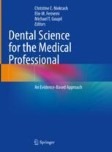
Dental science for the medical professional: an evidence-based approach
A guide for the medical practitioner on dentistry and dental emergencies. The book is divided into five sections for ease of use: The first section gives an overview of local head and neck anatomy; the second section provides a discussion of potential head and neck infections; the third section discusses important perioral pathology; the fourth section gives an overview on the management of soft and hard tissue trauma; the fifth section discusses some other topics which might be encountered by the medical professional like managing patient anxiety and pain.

Dental Implants and Oral Microbiome Dysbiosis : An Interdisciplinary Perspective
A one-stop, reference manual to understand the basic concepts of dental implant design, the related microbiome, research models and current concepts as well as futuristic perspectives in implant surface modification. The manual-like design including colorful illustrations and important critical questions will help researchers and advanced students in understanding the contemporary status and in designing studies for innovative treatments of dental implant infections. Considering the microbiome of dental implant related environment in health and disease is imperative to design strategies to good practice and prevention of infections around implants.

Dental care and oral health during the COVID-19 pandemic
Disseminates relevant knowledge of the recent SARS-Cov-2 pandemic with a focus on related applications in the fields of medicine and dentistry. Different types of manuscripts concerning these topics will be considered, including clinical studies, trials, systematic reviews, prospective studies, and proposals of new protocols or scientific evidence regarding dental clinics and SARS-Cov-2 infections.

Dendritic Cells in Clinics
Great advances have taken place in basic research and the clinical usefulness of dendritic cells (DCs). It has now been clearly established, for instance, that these cells play a crucial role in immune responses against infectious diseases and cancers. Antigen-presenting DCs are widely distributed in the body and regulate both immunity and immune tolerance. Experimental studies have provided important insights into DCs and how they can be used for treating animal models of various diseases that occur in humans. The role of these cells in pathogenesis and the treatment of human diseases is elaborately set forth in this valuable book. Researchers in the field are optimistic that DCs, already in use for treating patients with cancers, soon can be used therapeutically for patients with chronic infections, autoimmune diseases, and allergic manifestations. This volume provides a working definition of DCs and also explains the phenotypes and functions of DCs so that these can be readily understood not only by clinicians but by immunologists, researchers, and students as well.

Current Topics in Innate Immunity
This volume represents a collection of topics on natural killer cells, mast cells, phagocytes, toll like receptors, complement, host defense in plants and invertebrates, evasion strategies of microorganisms, pathophysiology, protein structures, design of therapeutics, and experimental approaches discussed during the conference.

Crossroads between Innate and Adaptive Immunity
This compilation presents minireviews derived from work presented at the Aegean Conference, which occurred October 9-14, 2005 at the Hilton Conference. Center on the island of Rhodes, Greece. The conference included sessions dedicated to host recognition of and response to pathogens, innate immune networks, antigen presentation, and adaptive immune responses, each headlined by a leading scientist at the forefront of that field. The intimate networking and interaction of dendritic cells, T cells, B cells, NK cells, NK-T cells, and complement during the host response to pathogens and tumors are only now starting to be elucidated.

COVID-19 and new aspects of treatment that might lower the risks and mortality rate
Coronaviruses are enveloped non-segmented positive-sense RNA viruses belonging to the family Coronaviridae. The human coronavirus infections are mild; the epidemics of the two βcoronaviruses, severe acute respiratory syndrome coronavirus (SARS-CoV) and Middle East respiratory syndrome coronavirus (MERS-CoV) have caused more than ten thousand cumulative cases in the past two decades. There is a new public health crisis threatening the world with the emergence and spread of 2019 novel coronavirus (2019nCoV). The virus originated in bats and was transmitted to humans through yet unknown intermediary animals in Wuhan, Hubei province in China during the month of December 2019. After the pandemic have started the scientists and researchers started immediately to find ways and technics to diagnose the virus in a different analytical and chemical methods to investigate and find out more about the new species

COVID-19 & Cardiovascular Complications
A highly pathogenic human coronavirus, severe acute respiratory syndrome coronavirus 2 (SARS-CoV-2), has been recently recognized in Wuhan, China, as the cause of the coronavirus disease 2019 (COVID-19) outbreak which has spread rapidly from China to other countries in the world, causing a pandemic with alarming morbidity and mortality. The emerging epidemiological data about COVID-19 patients suggest an association between cardiovascular diseases (CVD) and SARS-CoV-2 infection, in term of clinical features at hospital admission and prognosis for disease severity. The aim of our review is to describe the cardiological features of COVID-19 patients at admission, the acute cardiac presentation, the clinical outcome for patients with underlying CVD and the pharmacological implications for disease management.

Coronaviruses with Special Emphasis on First Insights Concerning SARS
This book series focuses on relevant and trending topics in microbiology and infectious diseases with emphasis on emerging pathogens and related diseases.This interdisciplinary series presents latest advances and new approaches in molecular biology as well as insights into human and veterinary clinical medicine. Furthermore, matters in epidemiology, disease management, hygiene and prevention of infectious diseases are discussed. Emerging or novel pathogens are a grand challenge in medical science. Therefore, we focused the first volume of this series on the outbreak of SARS. The advent of SARS is a threat for people around the globe. Our modern technologies in communication and mobility have figuratively transformed the world into a village. This traffic, however, reprensents a new opportunity to spread diseases, particularly such of infectious nature from tiny villages throughout the entire world. In-depth knowledge of a novel pathogen's characteristics will help to manage or event prevent pandemias.
