


تحسين النتائح
ترتيب حسب
من
الى

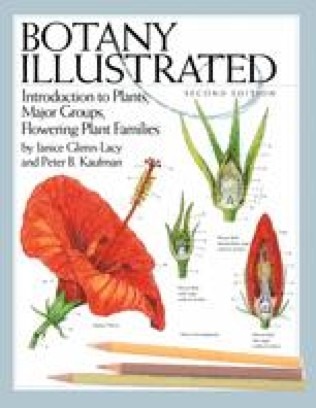
This easy-to-use book helps you acquire a wealth of fascinating information about plants. There are 130 pages with text, each facing 130 pages of beautiful illustrations. Each page is a separate subject. Included is a coloring guide for the realistic illustrations. The illustration pages are composed of scientifically accurate line drawings with the true sizes of the plants indicated. Using colored pencils and the authors’ instructions, you can color the various plant structures to stand out in vivid clarity. Your knowledge of plants increases rapidly as you color the illustrations.
This book explores the problem of male and female circumcision in modern society from religious, anthropological, psychological, medical, legal, and ethical perspectives. Bodily Integrity and the Politics of Circumcision provides a much-needed, thoughtful, and detailed analysis of the devastating impact of circumcision on bodily integrity and human rights, and it provides hope for change.
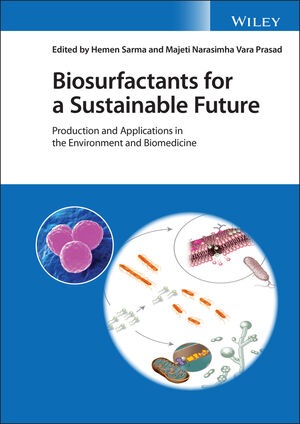
The book emphasizes the different techniques that are used for the production of biosurfactants from microorganisms and their characterization. Various aspects of biosurfactants, including structural characteristics, developments, production, bio-economics and their sustainable use in the environment and biomedicine, are addressed, and the book also presents metagenomic strategies to facilitate the discovery of novel biosurfactants producing microorganisms.
The progressive affirmation of evidence-based medicine requires radiology to make a qualitative leap: from demonstrating the ability to see more and better to demonstrating a significant improvement in the health or quality of life of patients.
The book covers notions by scientists of various branches on the evolutionary relationship between the biosphere and geosphere, evolution features at various levels of living matter organization, and problems of prebiotic evolution and life origin. The data were collected in the course of the RAS program "Biosphere origin and evolution" (subprogram II) in 2003–2006. The objectives of this subprogram were (1) generalization of data related to problems of biosphere origin and evolution accumulated by geneticists, molecular biologists, zoologists, botanists, paleontologists, microbiologists, geologists, chemists, and archaeologists; (2) search for new interdisciplinary approaches to biosphere origin and evolution; (3) development of a "lingua franca" understandable by experts in various fields, which would allow apprehension of results concerning the topic obtained in allied sciences
this book reviews the current state of knowledge in biosaline agriculture and high salinity tolerance in plants. It mainly focuses on the biotic approach to economically utilize the stress-prone areas by growing resistant plants.This volume comprises three sections: physiology and biochemistry, ecology, and molecular biology. Thus, a systematic approach has been adopted to uncover plant responses to various ecological factors at physiological and molecular levels.
Covers the recent trends on the biological applications of nanomaterials, methods for their preparation, and techniques for their characterization. Further, the book examines the fundamentals of nanotoxicity, methods to assess the toxicity of engineered nanomaterials, approaches to reduce toxicity during synthesis. It also provides an overview of the state of the art in the application of Artificial intelligence-based methodologies for evaluation of toxicity of drugs and nanoparticles. The book further discusses nanocarrier design, routes of various nanoparticle administration, nano based drug delivery systems, and the toxicity challenges associated with each drug delivery method. It presents the latest advances in the interaction of nanoparticles with the cellular environment and assess nanotoxicity of these engineered nanoparticles. The book also explores the comparative and mechanistic genotoxicity assessment of the nanomaterials. This book is useful source of information for industrial practitioners, policy makers, and other professionals in the fields of toxicology, medicine, pharmacology, food, and drugs.
Looks at the applications of biomarkers as important tools for herbal drug discovery, presenting research on phytoconstituents with advanced nanotechnological applications for healthcare benefits. Herbal drug discovery based on biomarkers is an emerging area in complementary and alternative medicine that has tremendous potential in healthcare. Conventional medications have limited efficacy and high toxicity, whereas herbal drugs are said to provide wide structural diversity that is not usually seen with conventional/synthetic drug molecules. Recognition of various herbal constituents, such as terpenoids, fatty acids, flavonoids and steroids, are well explored in the management and treatment of various disorders in this volume. These agents target various biomarkers such as nitric oxide (NO), cytokines, chemokines, adhesion molecules, NF- kβ, lipoxygenase (LOX), and arachidonic acid. Reviews the literature on inflammatory biomarkers in the treatment of diseases Looks at the development of herbal drug discovery based on biomarkers Explores emerging concepts of nanomedicines for herbal drug delivery Takes an interdisciplinary approach, with application to disciplines related to medical, pharmaceutical, biotechnological, Ayurvedic, Unani and biomedical engineering fields
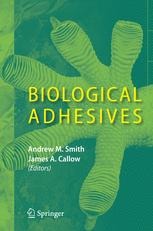
Many plants, animals, and microbes use adhesive polymers and structures to attach to inert substrates, to each other, or to other organisms. This is the first major review that brings together research on many of the well-known biological adhesives. Emphasizing the diversity of biological adhesives and associated adhesion processes, it deals with bacteria, fungi, algae, and marine and terrestrial animals. It bridges a variety of disciplines including biochemistry, molecular biology, biomechanics, bioengineering, microbiology, organism structure and function, and ultrastructure. As we learn more about the molecular and mechanical properties of these adhesives, we begin to understand why they adhere so well and how they develop cohesive strength. With this understanding comes the prospect of developing synthetic or semi-synthetic adhesives with broad applications in areas such as medicine, dentistry, and biotechnology. The book is suitable for both industrial and academic researchers.
Quantitative tools are becoming increasingly important in order to understand complex cascade of signal transduction events, pathways or biochemical reactions. The book showcases how computational techniques and algorithms are applied to biological data analysis, interpretation, and modelling. It covers applications in drug design and discovery, immune systems, phylogenetic analysis and protein structures.
This book addresses a variety of issues relating to bioethics, in order to initiate cross-cultural dialogue. Beginning with the history, it introduces various views on bioethics, based on specific experiences from Japan. It describes how Japan has been confronted with Western bioethics and the ethical issues new to this modern age, and how it has found its foothold as it decides where it stands on these issues. In the last chapter, the author proposes discarding the overarching term ‘Global Bioethics’ in favor of the new term, ‘Bioethics Across the Globe (BAG)’, which carries a more universal connotation.
The present book addresses fundamental questions of biological energy transformation and conservation, with a focus on those processes which can now be understood on a structural basis.Current knowledge of selected examples of the biological energy conservation machinery such as cellular oxygen respiration, light-driven energy converters, and fermentation is reviewed. The machinery is highly variable, particularly that within microorganisms, but all of these devices universally rely on one unique underlying physico-chemical principle. The book is a rich source for specialists interested in recent developments in bioenergetics research and novices in the field alike.
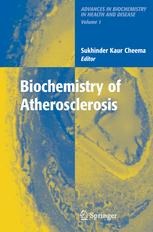
Advances in Biochemistry in Heath and Disease presents state-of-the-art discussions in cutting-edge biochemical research, offering exciting developments that impact healthcare and disease research. Volumes in the series focus on cross-disciplinary biomedical research and examine various topics in biochemistry, cell biology, molecular biology, and biomedicine. Biochemistry of Atherosclerosis examines atherosclerosis in great detail, focusing on the risk of atherosclerosis, and the biochemical pathways involved. It provides a breadth of knowledge as well as new insights into a variety of topics relating to atherosclerosis from leading scientists around the world who are at the forefront of atherosclerosis research. Biochemistry of Atherosclerosis is essential reading for biomedical and clinical researchers.
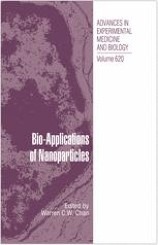
In this edited book, we highlight the central players in the Bionanotechnology field, which are the nanostructures and biomolecules. The book starts by describing how nanostructures are synthesized and by describing the wide variety of nanostructures available for biological research and applications. Also shown are the techniques used to synthesize a wide variety of biological molecules. Next, there is a focus on the assembly of nanostructures with biological molecules, which could lead to the design of multi-functional nanosystems. In the following chapters, examples of the unique properties of nanostructures are provided along with the current applications of these nanostructures in biology and medicine. Some applications include the use of gold nanoparticles in diagnostic applications, quantum dots and silica nanoparticles for imaging, and liposomes for drug delivery. In the final chapters of the book, the toxicity of nanostructures are described. This book provides broad examples of current developments in Bionanotechnology research and would be an excellent introduction to the field.
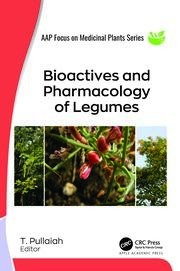
A variety of bioactives and therapeutics from the legume family (Fabaceae or Leguminosae) are thoroughly detailed. For each species included in the volume, a brief introduction is given, the plant’s bioactive compounds are listed, and its chemical structures shown, followed by their pharmacological activities. Many of these plants have medicinal activities that include antiviral, antimicrobial, antioxidant, anticancer, anti-inflammatory, and antidiabetic, hepatoprotective, nephroprotective and cardioprotective. The biochemical characteristics of the 37 plants included, such as the type of starch, protein, and fibers, can be exploited as binders, excipients, thickeners, and dispersants in the formulation of various products in the pharmaceutical industry. The published literature on the pharmacological activities on each species is reviewed and presented in a concise and clear manner.
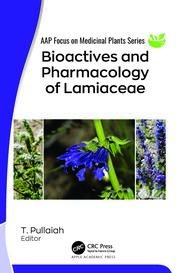
Provides a wealth of information on plants in the Lamiaceae family, noted for their essential oils and bioactives and pharmacological properties. The chapters investigate a wide variety of species, providing for each an introduction, characteristics, properties, distribution, traditional uses, and current and potential pharmacological applications. Aiming to be a resource for the development of new drugs based on species within the Lamiaceae family, the volume discusses 26 species, including bungleweed (Ajuga), Malabar catmint (Anisomeles malabarica), beechwood (Gmelina arborea), Brazilian mint (Hyptis crenata), rosemary (Rosmarinus officinalis L.), holy basil (Ocimum tenuiflorum), and many more.
Hen eggs have exceptional potential as an inexhaustible source for a variety of products with unique properties. These products are valuable to human health and nutrition and can be used as raw materials for diverse purposes in the cosmetics and pharmaceutical industries. Bioactive Egg Compounds presents the latest results and concepts in the biotechnological use of egg compounds. Following an introduction to the different compounds of egg white, yolk and shell, the nutritive value of egg compounds is discussed. Procedures for processing egg compounds to improve their nutritive value are described, including the concept of so-called enriched eggs. Also described is the isolation and application of egg compounds with special properties, such as antibiotic action.
This open access book looks at the dramatic history of ovariotomy, an operation to remove ovarian tumours first practiced in the early nineteenth century. Bold and daring, surgeons who performed it claimed to be initiating a new era of surgery by opening the abdomen. Ovariotomy soon occupied a complex position within medicine and society, as an operation which symbolised surgical progress, while also remaining at the boundaries of ethical acceptability. This book traces the operation’s innovation, from its roots in eighteenth-century pathology, through the denouncement of those who performed it as ‘belly-rippers’, to its rapid uptake in the 1880s, when ovariotomists were accused of over-operating. Throughout the century, the operation was never a hair’s breadth from controversy.
Interest in beetle conservation has long been evident, with many papers treating these abundant, ecologically important and popular insects. However, this issue of Journal of Insect Conservation is the first to be dedicated entirely to beetles, and contains a number of papers, predominantly from outside western Europe, to demonstrate the variety and scope of problems and conservation concerns that surround these insects. A short introductory perspective is followed by eight original contributions, in which beetles from many parts of the world are considered, and in which some major threats to their wellbeing are evaluated.
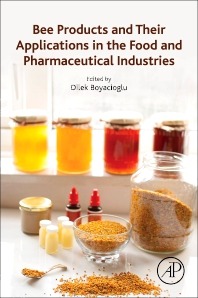
Focuses on the health benefits of selected bee products by looking more closely at their pharmacological potentials and therapeutic applications in coping with various diseases. The book explores some of these products, such as royal jelly, propolis and bee venom, which is highly attractive to the food supplement sector due to the biological actions that are proved by scientific studies. Bee products also attract the cosmetics industry by utilizing those products in various applications such as hair products, toothpaste, sunscreen creams, lip balsams, or facial moisturizing creams. Each chapter focuses on a particular health benefit, providing more compact and detailed information about each activity for a specific interest. The mainframe of the book is based on the medicinal and pharmacological functions of bee products, with the therapeutic applications for each bee product supporting the mechanism of action of their biological functions.

سوريا - اتستراد درعا - غباغب
+963-15 2050 - 15 860 380 /1/2/3 - 11 662 3900