


تحسين النتائح
ترتيب حسب
من
الى

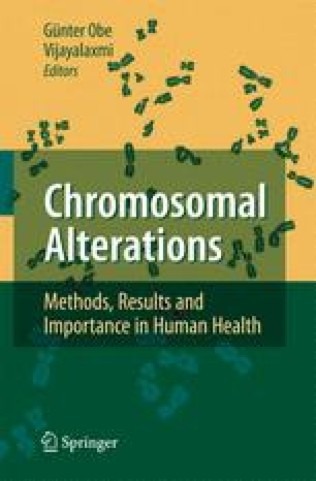
Cytogenetics is a very important research tool in basic and applied research. The uses of cytogenetics in human-population monitoring, in biological dosimetry in radiation accidents and in astronauts and as a predictive measure of cancer are topics discussed in this book. The book will help the reader to better understand cytogenetics and the intricacies of the methodology. The different methods of fluorescence in situ hybridization are discussed and the results achieved are presented. The book provides a comprehensive review of basic and applied aspects of cytogenetics and therefore will be of interest to all who are interested in chromosomes and their alterations by different types of mutagens, including chemical mutagens and ionizing and nonionizing radiation, with special reference to electromagnetic fields.
This book summarizes the chemical, physical, biological and medical aspects of chlorophyll (and bacteriochlorophyll) research and development, with a focus on the tremendous progress achieved over the past 15 years. Each section has an up-to-date introductory overview which is followed by a series of concise well-focused and fully-referenced chapters written by experts in (bio)chemistry, (bio)physics, photobiology and photomedicine.
Discovery in the use of chitosan-based nanocomposites in biomedical applications, including the scope to which these novel materials have been incorporated by the community. It provides an exceptional insight into the strategies for the synthesis and chemical modifications of chitosan, characterization techniques, their use as anticancer agents, antimicrobial, antiviral, and antifungal agents, their role in the biomedical field, and applications in drug delivery, gene therapy, dentistry, orthopedics, etc. This book will also emphasize the challenges with previous signs of progress and way for further research, details relating to the current pioneering technology, and future perspectives with a multidisciplinary approach. Furthermore, it presents up-to-date information on the economics, toxicity, and regulations related to these novel materials.
Chemokines play an important role in recruiting inflammatory cells into tissues in response to infection and inflammation. They also play an important role in coordinating the movement of T-cells, B-cells and dentritic cells, necessary to generate an immune response (response to injury, allergens, antigens, invading microorganisms). They selectively attract leukocytes to inflammatory foci, inducing both cell migration and activation. They are involved in various diseases, like atherosclerosis, lung and skin inflammation, multiple sclerosis, or HIV. Volume 2 of this two-volume set discusses the pathophysiology of chemokines. It is divided into two parts: a) chemokines in animal disease models, and b) chemokines as drug targets. Together with volume 1, which discusses the immunobiology of chemokines, both volumes give a comprehensive overview of chemokine biology.
The discovery of interleukin-8 close to 20 years ago initiated a new field of research touching on many aspects of immunology and inflammation. Interleukin-8 is just one member of a large class of structurally related chemoattractant proteins, known as chemokines. Chemokines are involved in the traffic control of leukocytes, which bear the corresponding chemokine receptors on their surfaces. Today, it is clear that chemokines affect all aspects of immunology and even many unrelated fields, such as tissue development and tumor cell metastasis. Their fundamental contributions to chronic inflammatory diseases make them a principal target for the development of novel, anti-inflammatory therapeutics.

Presents the proceedings of "Chemical Signals in Vertebrates 11", hosted by the University of Liverpool and held July 25 - 28, 2006 at the University of Chester in the United Kingdom. Chemical Signals in Vertebrates 11 contains the latest research on chemical communication relevant to vertebrates, particularly focusing on new research since the last meeting in 2003. Topics covered include chemical ecology, biochemistry, behavior and neurobiology of both the main olfactory and vomeronasal systems of vertebrates, from amphibia to mammals including humans. A broad range of taxonomic groups and topics are discussed, including sections on new directions in semiochemistry, olfactory response and function, recognition within species, sexual communication, maternal-offspring communication, communication between species, and applications for zoo animal enrichment and pest control. The volume is dedicated to the memory of Dr. Bets Rasmussen and includes a special tribute chapter on her ground-breaking research on elephant communication.
This book also represents the tenth in a series of books on chemical communication, chemical ecology, olfactory and vomeronasal research in vertebrate species. The species covered in the chapters herein range from fish to mammals including humans. By taxonomic breakdown the mammals are the most represented in number of species and chapter contributions. However, the hosts of the meeting endeavored to have some representative contributions covering all of the major vertebrate taxa.
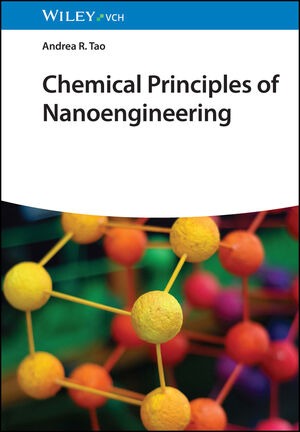
Nanomaterials, which possess at least one dimension lower than 100 nanometers, are increasingly at the forefront of technological and chemical innovation. The properties of these uniquely minute materials give them distinctive applications across a huge range of industries and research fields. It is therefore critical that the next generation of engineers and materials scientists understand these materials, their chemical properties, and how they form bonds
Gives the reader, through the specific selection of chemical-biological techniques and concepts, the necessary tools to be able to develop new ways of thinking and thus new therapeutic options in the complex field of chemical biology and drug development. The stated aim of this book is to provide concrete solutions and inspiration to students, (post)graduate students, and experienced scientists at universities as well as in industry in their problems.
A comprehensive and authoritative exploration of Tempol (4-Hydroxy-TEMPO), an exceptional chemical compound with diverse applications in both scientific research and medical practice. This book delves into Tempol's unique properties, mechanisms of action, and its potential role in combating oxidative stress-related disorders. Includes a chapter devoted to the safe handling, storage, and disposal of Tempol in compliance with pharmaceutical regulations. The authors pay particular attention to pharmaceutical regulations in the industry.
This book’s distinguished panel of authors takes a close look at topics ranging from the major molecular players affecting DNA synthesis and the response to DNA damage to advances made in the identification of chemical compounds capable of inhibiting individual mitotic kinases. Illuminating and authoritative, Checkpoint Responses in Cancer Therapy offers a critical summary of findings for researchers in the pharmaceutical and biotechnology industries and a valuable resource for academic scientists in cancer research and the study of cell-cycle regulation, signal transduction and apoptosis.
This book is the first academic book on the controversial issue of including spiritual care in integrated electronic medical records (EMR). Based on an international study group comprising researchers from Europe (The Netherlands, Belgium and Switzerland), the United States, Canada, and Australia, this edited collection provides an overview of different charting practices and experiences in various countries and healthcare contexts.
More than 90 papers give a summary of clinical and basic studies on cerebral vasospasm, including reviews by leading researchers in this field. Several new frontiers are proposed for future research directions that will not only promote research from neurosurgery and neurology but also from other interconnecting fields of emergency medicine, electrophysiology, molecular biology, and vascular biology.
This volume serves as a succinct and well-organized reference volume focused on inflammatory CNS disease to a wide audience. The text is comprised of four sections revolving around current areas of interest in the fields of neuroimmunology, virology, pharmacology and disease. Sections of this text focus on a specific category of diseases as well as the pharmacological, virological, and immunological effects of and on the disease.Although many have covered this topic, few have provided a volume as concise and efficient. Each disease is broken down on a variety of scientific levels without getting into the history of the disease. This approach provides a succinct overview of a specific subject encompassing interrelated topics pertaining to neurology, immunology and disease. The information provided in Central Nervous System Diseases and Inflammation will be useful for researchers, clinicians, as well as a valuable resource for students interested in the fascinating arena of neuroinflammation.

This comprehensive volume, written by experts in the field, provides a current understanding of the molecular properties of the heat shock proteins and their roles in health and disease. Cell Stress Proteins includes advances in several aspects of stress protein research, with chapters ranging from basic studies of the role of heat shock proteins in protein folding to reviews examining the breakdown of stress protein regulation during disease. It also provides analysis of the biochemical and molecular properties of heat shock proteins which can be utilized in evaluating their role in human physiology and pathology. Cell Stress Proteins is an ideal book for researchers, clinicians, physicians, and graduate students in the fields of biochemistry, cell biology, microbiology, immunology, and genetics.
Although inflammatory disease of the vascular bed of the lung is a major cause of morbidity and mortality in both adult and pediatric age groups, the importance of vascular biology to its understanding, and in developing novel therapeutics, has been overlooked. In Cell Signaling in Vascular Inflammation, leading basic and clinical researchers review the signal transduction mechanisms responsible for lung inflammation, including vascular hyperpermeability, white cell accumulation, and vascular remodeling. The authors cut across disciplines to bring together a broad-based presentation of inflammatory challenge, both in the initial phases of the inflammatory response, as well as in the more prolonged phase of genomic involvement.

Cancer Morbidity and mortality result from invasive and metastatic spread. Currently, no therapies are aimed at the underlying mechanisms that enable this progression due to only nascent recognition of the distinct biology which occurs only during tumor dissemination. Recent advances have highlighted the central role of cell motility during the dynamic and transient process of tumor invasion and metastasis. This book includes state-of-the-art updates by international leaders in these studies. Chapters first present the novel model systems that enable new investigations and insights. Chapters then describe in depth the key processes and molecules that may be therapeutically targeted. Finally, the role of cell motility and its signals is explored in a number of key tumor types. This compilation should be useful to researchers in basic and translational oncology as well as those developing novel agents to prevent tumor invasion and metastasis.
A reference on the development of cellular systems for the production of recombinant glycoproteins, gene and cell therapies, drug screening and tissue engineering. It intends to review the in-depth assessments of this type of programmed cell death. It is suitable for biotechnologists and researchers in apoptosis, cell biology, and cell culture.
The molecular mechanisms controlling cell cycle progression are highly conserved in eukaryotes. In addition to the basic protein machinery involved in cell cycle regulation, higher plants have also evolved unique molecular mechanisms that allow integration of environmental, physiological, and developmental signals into networks to control proper cell division and expansion. Rapid and exciting research progress in these fields has been achieved from experimental observations on plants over the past decade. The scope of this volume is focused on the molecular basis of all aspects of cell division and cytokinesis in plants. It is an essential reference book for instructors and scientists working in the areas of molecular, cell, and developmental biology of plants. The editors of this book are veterans in the field of plant molecular biology and highly respected worldwide.
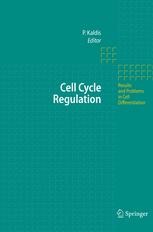
The cell cycle is tightly regulated on many different levels to ensure properly controlled proliferation. Deregulation of cell cycle regulation is a hallmark of cancer. In this book, many aspects of cell cycle regulation are discussed, which include G1, S, M phase control, ubiquitin-mediated degradation, DNA damage response, mitotic spindle checkpoint, the centrosome cycle, Retinoblastoma protein family, the Myc oncogene, and mouse models for tumor suppressors, cyclin-dependent kinases, and meiosis. These chapters written by experts provide an updated view on how the cell cycle is regulated in vivo and about the involvement of cell cycle regulators in cancer.

سوريا - اتستراد درعا - غباغب
+963-15 2050 - 15 860 380 /1/2/3 - 11 662 3900