



الصفحة 4
الصفحة 4

Honey and olive oil in diabetic foot therapy
At the beginning of the 21st Century diabetic foot is Observed, although eminently preventable, represent one of the commonest causes of hospital inpatient in Western countries. Diabetic foot is a pathological condition that might affect the feet in patients with diabetes. Foot ulcers are defined as lesions involving a skin break with loss of epithelium: they can extend into the dermis and deeper layers sometimes involving bone and muscle...

Honey : Nutraceutical and therapeutic significance
Contains comprehensive information on honey with regard to its cosmeceutical, nutritional, and pharmacological significance. And providing enormous knowledge about the nutraceutical and the role of different therapeutic strategies across the globe. Each chapter has the latest references and citations so that readers may get the latest knowledge in the field.

Herbals as nutraceuticals : Their role in healthcare
Herbal nutraceuticals demonstrate a variety of therapeutic benefits and have been found to prevent, treat, and even cure a range of diseases. This new book provides insight into nutraceuticals and their function in human health, highlighting their antimicrobial and immune-inflammatory properties. It describes the nutraceutical properties of various medicinal herbs and details the role of nutraceuticals in treating diseases such as Alzheimer's, Parkinson's, obesity, diabetes, cancer, cardiovascular diseases, skincare issues, and more.

Health of People, Health of Planet and Our Responsibility : Climate Change, Air Pollution and Health
This book not only describes the challenges of climate disruption, but also presents solutions. The challenges described include air pollution, climate change, extreme weather, and related health impacts that range from heat stress, vector-borne diseases, food and water insecurity and chronic diseases to malnutrition and mental well-being.

Handbook of nutrition and pregnancy
This book discusses relevant topics in the scientific community such as determining to what extent prenatal and perinatal environmental factors are linked to childhood and adult obesity and chronic diseases. This book also examines issues that are common to both the developed and the developing worlds and includes chapters that are specific to nutritional and reproductive factors seen mainly in developing countries. These chapters discuss contemporary issues that impact both the woman and the developing infant. Also covered in several chapters is a review of nutritional as well as physiological factors that either increase or decrease the potential for high risk pregnancies such as gestational diabetes mellitus, Type I and Type II diabetes mellitus, preeclampsia, anemia, and so forth.

Handbook of nutrition and ophthalmology
The Handbook of Nutrition in Ophthalmology is the first general text on nutrition and eye health created for physicians, nutritionists, and researchers. Dr. Richard D. Semba provides important links between the epidemic of obesity and implications it has for eye disease and blindness. The volume addresses three broad themes throughout. The first is that a healthy diet as a major lifelong habit will likely have an impact on reducing a substantial portion of visual impairment and blindness. The second is that a historical perspective is essential to understanding current challenges in ophthalmology, medicine, and public health. The third theme is that many nutrients play a role in oxidative stress and inflammation, and this theory has emerged as a major underlying hypothesis in the pathogenesis of eye diseases.

Handbook of nutraceuticals and natural products : Biological, medicinal, and nutritional properties and applications ; 2 Volume set
Describes the preparation techniques and functional uses of nutraceuticals and natural products with a focus on the technologies involved. The book includes coverage of the biological, medicinal, and nutritional properties and applications of functional foods, as well as the advanced technologies used in the extraction and functionalization of nano components and the nanomaterial and nanochemical aspects of the products.

Handbook of Life Course Health Development
Synthesizes and analyzes the growing knowledge base on life course health development (LCHD) from the prenatal period through emerging adulthood, with implications for clinical practice and public health. It presents LCHD as an innovative field with a sound theoretical framework for understanding wellness and disease from a lifespan perspective, replacing previous medical, biopsychosocial, and early genomic models of health. Interdisciplinary chapters discuss major health concerns (diabetes, obesity), important less-studied conditions (hearing, kidney health), and large-scale issues (nutrition, adversity) from a lifespan viewpoint. In addition, chapters address methodological approaches and challenges by analyzing existing measures, studies, and surveys. The book concludes with the editors’ research agenda that proposes priorities for future LCHD research and its application to health care practice and health policy.

Genes on the Menu : Facts for Knowledge-Based Decisions
Only little more than a decade ago the term "genetic engineering" was hardly known outside research laboratories. Today it regularly makes headlines in the news. Supporters and opponents as well tell us that it could change our lives more than any other technological advance. This book delivers the state-of-the-art facts in order to empower the public to make knowledge-based decisions about plant biotechnology and GM crops and GM food, in particular. It discusses the hot topics of the present debate in a neutral manner and will function as a personal reference book for the interested public, for decision maker, and managers of consumer organisations.

Fundamentals of drug and non-drug interactions : physiopathological perspectives and clinical approaches
Covers nutrients, active principles from phytotherapy/herbal products, and drug classes while identifying potential interactions. Didactic approaches to drug and non-drug interactions and cutting-edge reports are included in each chapter that promotes safer drug prescription and use. The physiopathological overview in this book provides background for chemistry, pharmacology, and mechanistic bases of drug and non-drug interaction as well as clinical cases and predictive screenings.

Food lens = فود لينس
Food lens is an innovative application designed to revolutionize dietary management by leveraging advanced image recognition and nutritional analysis. The primary objective of this senior project is to develop a user-friendly tool that identifies various foods through a camera interface and provides detailed nutritional information. This application not only enhances the user's understanding of their dietary intake but also assists in achieving personalized health and fitness goals. The core functionality of Food Lens involves the integration of a robust image recognition system capable of accurately identifying a wide range of foods. Upon identification, the application retrieves comprehensive nutritional data, including calorie content, macronutrient distribution (proteins, fats, carbohydrates), and essential micronutrients (vitamins and minerals). This data is then seamlessly integrated into the user's dietary profile. Food Lens is designed to track the user's daily caloric intake and compare it against personalized recommendations based on age, gender, weight, height, and activity level. By maintaining a dynamic record of consumed foods, the application provides real-time feedback on the user’s nutritional progress. This feature is particularly beneficial for individuals aiming to manage weight, address dietary restrictions, or improve overall health.

Food irradiation
Treatment of food by specific ionizing radiations to improve microbiological safety and storability is one of the most extensively studied technology of the XXth century. However, much of the research has been carried out in laboratories and it is still relatively underutilized commercially. Its application potential is very diverse, from inhibition of sprouting of tubers and bulbs to production of commercially sterile food products. The safety of consumption and wholesomeness of irradiated food have been extensively studied in international cooperations. Numerous international expert groups set up jointly by the FAO, the IAEA and the WHO, or the Scientific Committee on Food of the European Commission concluded that foods irradiated with appropriate technologies are both safe and nutritionally adequate. A Codex General Standard for Irradiated Foods and a Recommended International Code of Practice for Radiation Processing of Food have been developed.

Food Emulsifiers and Their Applications
Thoroughly revised and updated, the second edition of Food Emulsifiers and their Applications integrates theoretical background with practical orientation and serves as the definitive reference on subject. It offers practitioners an overview of the manufacture, analysis, physical properties, interactions and applications of emulsifiers used in processed food. Written for food technologists as well as R & D and product development personnel, begins with the design and preparation of emulsifiers (including interactions with other food ingredients), which leads in to product categories, including dairy, infant nutrition, bakery, confectionery, and margarine, followed by nutrition improvement and processing techniques.

Food Anxiety in Globalising Vietnam
This book approaches the anxieties inherent in food consumption and production in Vietnam. The country’s rapid and recent economic integration into global agro-food systems and consumer markets spurred a new quality of food safety concerns, health issues and distrust in food distribution networks that have become increasingly obscured. This edited volume further puts the eating body centre stage by following how gendered body norms, food taboos, power structures and social differentiation shape people’s ambivalent relations with food. It uncovers Vietnam’s trajectories of agricultural modernisation against which consumers and producers manoeuvre amongst food self-sufficiency, security and abundance. It provides social science perspectives on anxieties related to food and surrounding discourses that travel between the local and the global, the individual and society and into the body. Therefore, the book’s lens of food anxiety matters for social theory and for understanding the embeddedness and discontinuities of food globalizations in Vietnam and beyond.

Food and behavior
The effect of nutrition on behavior is one of the new topics that nutritionists are discussing at the present time. They have proven that there is a clear relationship between food, behavior and decisions. The aim of this research is to shed light on this new aspect of nutriti onal science, as we are presenting in this project some of the experiments, researches and statistics that scientists have reached and referred to this effect.
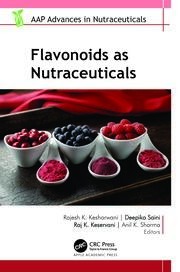
Flavonoids as nutraceuticals
Flavonoids are well-known plant metabolites that have extraordinary properties that can be used for treating health issues. The pharmaceutical importance of flavonoids is due to their anti-depressant, anti-viral, anti-inflammatory, and antioxidant capacities. They are also of great importance when it comes to neuroprotection, cardiovascular disorders, and many types of cancer. Flavonoids are also easily available and produce less harmful side effects than some conventional therapeutics. This new volume examines the growing use of flavonoids for prevention and treatment of diseases and discusses their beneficial mechanisms. Chapters in the volume address diverse uses as anti-aging tools, as anti-inflammatory agents, for treating pregnancy-induced disorders, as a promising tool to combat infection of Covid-19, etc. The book explores their specific therapeutic antiviral potentials, the gene expression by flavonoids, and the role of flavonoids in agriculture.

Feldman and Pike's vitamin D; Vol. 2 : Health, disease and therapeutics
Covers the evidence for new roles of vitamin D, ranging from organ transplantation to cancer, diabetes, inflammatory bowel disease, multiple sclerosis, and renal disease. The coverage is appropriately broad, drawing on aspects of internal medicine, pediatrics, nutrition, orthopedics, oncology, neurology, obstetrics and gynecology, and immunology, as well as, new areas for vitamin D including sports medicine, opthalmology, veterinary medicine and ICU care – including COVID-19. Clinical researchers will gain a strong understanding of the molecular basis for a particular disease and better understand future directions for research in this still-growing field.

Fatty acids
Fatty acid metabolism, including the de novo synthesis, uptake, oxidation, and derivation of fatty acids, plays several important roles at cellular and organ levels. Recent studies have identified characteristic changes in fatty acid metabolism in idiopathic pulmonary fibrosis (IPF) lungs, which implicates its dysregulation in the pathogenesis of this disorder. Here, we review the evidence for how fatty acid metabolism contributes to the development of pulmonary fibrosis, focusing on the profibrotic processes associated with specific types of lung cells, including epithelial cells, macrophages, and fibroblasts. We also summarize the potential therapeutics that target this metabolic pathway in treating IPF.

Familial mediterranean fever
Familial Mediterranean Fever (FMF), a genetic disorder causing recurrent inflammatory attacks. It delves into various aspects of FMF, including: Definition and historical background of FMF Underlying causes, signs, and symptoms of the disease Modes of transmission through autosomal recessive inheritance Diagnostic methods encompassing genetic, urine, blood, and imaging tests, emphasizing the significance of early diagnosis The link between FMF and amyloidosis, a serious complication...

Extracting Methods of Essential laurel oil and Fixed oil, Their effects on bacteria
Laurus nobilis is an evergreen plant belonging to the Lauraceae family, native to Southern Europe and the Mediterranean area. This is the report on the composition and bioactivity of laurel essential oil (EO) from leaves and extraction essential oil by two solvents (water and ethanol 69%) using by two devices (Clevenger and evaporator) then we apply the effect of oil and extract on the bacteria. there are some differences between the extraction by water and ethanol . The antibacterial properties of laurel EOs were examined according to the agar well diffusion method The leaf EO showed antibacterial activities against almost all strains of the microorganisms tested, whereas the twig EO was only able to inhibit Staphylococcus aurous and Escherichia coli were the bacterial strains that showed the highest resistance to the laurel EO. The results can benefit the EO industry and bio pesticide development.
