



الصفحة 4
الصفحة 4

Green techniques for organic synthesis and medicinal chemistry
Presents comprehensive coverage of green chemistry techniques for organic and medicinal chemistry applications, summarizing the available new technologies, analyzing each technique’s features and green chemistry characteristics, and providing examples to demonstrate applications for green organic synthesis and medicinal chemistry.

GPCRs as Therapeutic Targets ; 2-Vol. Set
Delivers an authoritative and in-depth compendium of a vibrant and active area of academic and industrial drug discovery. The book serves as an important reference for new and experienced researchers studying G protein-coupled receptors and discusses the molecular pharmacology of this important target class. It also includes up-to-date material on GPCR structures and structure-based drug design.

Global regulations of medicinal, pharmaceutical, and food products
Medicine regulation demands the application of sound medical, scientific, and technical knowledge and skills, and operates within a legal framework. Regulatory functions involve interactions with various stakeholders (e.g., manufacturers, traders, consumers, health professionals, researchers, and governments) whose economic, social, and political motives may differ, making implementation of regulation both politically and technically challenging. This book discusses regulatory landscape globally and the current global regulatory scenario of medicinal products and food products comprehensively.

Gentamicin : Biosynthesis, medicinal applications and potential side effects
Discusses the biosynthesis, medicinal applications and potential side effects of Gentamicin. Topics include Gentamicin used in combination therapy and applied to medicinal materials for clinical applications; use of natural products to enhance the antibiotic activity of Gentamicin and other aminoglycosides; regiospecific Gentamicin functionalization; Gentamicin and particle engineering; and the indications and adverse effects of Gentamicin.

Genome editing in drug discovery
In Genome Editing in Drug Discovery, a team of distinguished biologists delivers a comprehensive exploration of genome editing in the drug discovery process, with coverage of the technology’s history, current issues and techniques, and future perspectives and research directions. The book discusses techniques for disease modeling, target identification with CRISPR, safety studies, therapeutic editing, and intellectual property issues.

Gene delivery systems : nano delivery technologies
Gene therapy involves altering the genes in the body's cells in an effort to treat or stop disease, instead of using drugs or surgery. This book discusses the development of gene therapy today, from the technology involved to gene correction and the advances in genome editing.

Garlic Extract : Interaction with mechanisms of bacterial resistance
Garlic (Allium sativum) is a medicinal plant which has a diverse biological activities including antioxidant activity, antimicrobial activity, anticancer activity and others… In this article we are focusing on its antimicrobial effect which had been tested individually and in combination with two resisted antibiotics (Ampicillin, Ciprofloxacin) on 3 gram negative bacteria (Proteus mirabilis, klebsiella pneumoniae and Enterobacter aerogenes) to estimate the effect of garlic extract on the activity of the resisted drugs and bacterial resistance mechanism.

Fungi as an Alternative Source of Anticancer and Antioxidant
Fungi are an " excellent but underexplored source " for new therapeutic compounds. The limited availability of bioactive principles in plant sources could be surpassed by exploiting the chemical entities in the endophytes fungi . fungi represent a rich source of bioactive metabolite that can manipulated to produce desirable novel analogs. In addition to the active substances that can be extracted from the fungi, so that they are useful in several mechanisms. Exploring and exploiting of metabolites from endophytic in terrestrial, mangrove and marine habitats may provide an avenue for discovery of drug candidates against deadly human disease. This review focuses on the production of antioxidant and anticancer from severa fungi habitats.

Fundamentals of Pharmacognosy and Phytotherapy
Pharmacognosy (the science of biogenic or nature-derived pharmaceuticals and poisons) has been an established basic pharmaceutical science taught in institutions of pharmacy education for over two centuries. Over the past 20 years though it has become increasingly important given the explosion of new drugs, phytomedicines (plant medicines), nutraceuticals and dietary supplements – all of which need to be fully understood, tested and regulated.

Fundamentals of drug development
Discusses how to conduct pharmaceutical research and the context for how the industry fits into global healthcare. Holistically, the well-qualified author helps readers and students of drug development appreciate the time and expense of the process. Specifically, the work identifies the emerging trends shaping the future of drug development, along with important related topics like generic drugs, data sharing, and collaboration.

Fundamentals of drug delivery
A comprehensive guide to the current research, major challenges, and future prospects of controlled drug delivery systems. Provides comprehensive and up-to-date coverage of the essential principles and processes of modern controlled drug delivery systems. Featuring contributions by respected researchers, clinicians, and pharmaceutical industry professionals, this edited volume reviews the latest research in the field and addresses the many issues central to the development of effective, controlled drug delivery.

Frontiers in Anti-Infective Drug Discovery ; Vol.9
Covers a range of topics including rational drug design and drug discovery, medicinal chemistry, in-silico drug design, combinatorial chemistry, high-throughput screening, drug targets, recent important patents, and structure-activity relationships. Frontiers in Anti-Infective Drug Discovery is a valuable resource for pharmaceutical scientists and post-graduate students seeking updated and critically important information for developing clinical trials and devising research plans in this field. The ninth volume of this series features 5 reviews that cover some aspects of clinical and pre-clinical antimicrobial drug development, with 2 chapters focusing on drugs to treat leishmaniasis and dengue fever, respectively. - Use of preclinical and early clinical data for accelerating antimicrobial drug development - Post-translational modifications: host defence mechanism, pathogenic weapon, and emerged target of anti-infective drugs - Scope and limitations on the potent antimicrobial activities of hydrazone derivatives - Current scenario of anti-leishmanial drugs and treatment - Dengue hemorrhagic fever: the potential repurposing drugs

From herbs to healing : Pharmacognosy - phytochemistry - phytotherapy - biotechnology
Demonstrates the place of phytotherapy in healing, the role of herbs in complementary and traditional therapy, and research strategies for the development of drugs of natural plant origin. This book is primarily designed for scientific researchers, but is also very useful for undergraduate and postgraduate students in their professional training. As this book discusses herbs from all over the world, it is specifically drafted to be useful not only in Hungary and Europe, but also for people in other continents as an English language encyclopaedia of medicinal plants and their biologically active compounds.

Foot and ankle in rheumatoid arthritis
This book broaches the theme of the most recent medicinal treatments, that of orthoses, made-to-measure shoes (the prescription of which practitioners and the rheumatologists often hand over to the orthopaedic surgeons), and finally that of local injections. These elements constitute the main treatment of the rheumatoid foot. Taking care of the ill subject does not necessarily stop there and a surgeon may need to operate on the forefoot, which is more common, or on the mid-foot or the ankle.

Flow and microreactor technology in medicinal chemistry
The ultimate dream for medicinal chemists is the ability to synthesize new drug-like compounds with the push of a button. The key to synthesizing chemical compounds more quickly and accurately lies in computer-controlled technologies that can be optimized by machine learning. Recent developments in computer-controlled automated syntheses that rely on miniature flow reactors—with integrated analysis of the resulting products—provide a workable technology for synthesizing new chemical substances very quickly and with minimal effort.
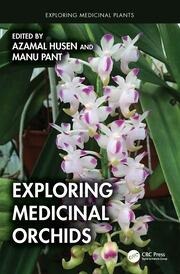
Exploring medicinal orchids
Orchids are fascinating ornamental flowers with a huge market both as cut flowers and potted plants, but they are also used in the traditional medicine system as they can be rich in phytochemicals with exceptional medicinal properties. This book, Exploring Medicinal Orchids, is a comprehensive guide for medicinally important orchids, their diversity, and their use in traditional and folk medicines. It presents information on secondary metabolites of medicinally active orchid species, pharmaceutical and medicinal applications, and describes advanced techniques of biotechnology in the conservation of medicinal orchids.

Executing magic in the modern era : Criminal bodies and the Gallows in popular medicine
This book explores the magical and medical history of executions from the eighteenth to the early twentieth century by looking at the afterlife potency of criminal corpses, the healing activities of the executioner, and the magic of the gallows site. The use of corpses in medicine and magic has been recorded back into antiquity. The lacerated bodies of Roman gladiators were used as a source of curative blood, for instance. In early modern Europe, a great trade opened up in ancient Egyptian mummies and the fat of executed criminals, plundered as medicinal cure-alls. However, this is the first book to consider the demand for the blood of the executed, the desire for human fat, the resort to the hanged man’s hand, and the trade in hanging rope in the modern era. It ends by look at the spiritual afterlife of dead criminals.

Ethnopharmacology of Medicinal Plants : Asia and the Pacific
This book presents several aspects of the pharmacology, chemistry, botany and folkloric use of selected medicinal plants that can be found in Asia and the Pacific. It is generously illustrated with line drawings for many of the plants under discussion, as well as examples of chemical structures.

Ethnobotany and ethnopharmacology of medicinal and aromatic plants : steps towards drug discovery
Medicinal and aromatic plants are beneficial to human health. Plant-derived molecules possess biological activities that can be used to prevent many infectious diseases and metabolic disorders. Ethnobotany and Ethnopharmacology of Medicinal and Aromatic Plants summarizes techniques and methods used to study the biological activities of plant-derived extracts and compounds to study ethnobotanical and ethnopharmacological features of medicinal and aromatic plants.

Ethnobotany : A phytochemical perspective
Explores the chemistry behind hundreds of plant medicines, dyes, fibers, flavors, poisons, insect repellants, and many other uses of botanicals. Bridging the gap between ethnobotany and chemistry, this book presents an introduction to botany, ethnobotany, and phytochemistry to clearly join these fields of study and highlight their importance in the discovery of botanical uses in modern industry and research. Part I. Ethnobotany, explores the history of plant exploration, current issues such as conservation and intellectual property rights, and a review of plant anatomy. An extensive section on plant taxonomy highlights particularly influential and economically important plants from across the plant kingdom. Part II. Phytochemistry, provides fundamentals of secondary metabolism, includes line drawings of biosynthetic pathways and chemical structures, and describes traditional and modern methods of plant extraction and analysis. The last section is devoted to the history of native plants and people and case studies on plants that changed the course of human history from five geographical regions: Africa, the Americas, Asia, Europe, and Ocean. Throughout the entire book, vivid color photographs bring science to life, capturing the essence of human botanical knowledge and the beauty of the plant kingdom.
