


تحسين النتائح
ترتيب حسب
من
الى

Provides new and updated chapters covering computational and mathematical techniques and concepts related to the field of comparative genomics. The topics covered in the chapters range from those that address general techniques and concepts that apply to all organisms to others that are specialized and apply to specific biological systems such as viruses, bacteria, nematodes, and insects.
Support pharmacists in identifying, diagnosing, treating or referring the illnesses and conditions they will commonly encounter in the community. A logical structure covers the full range of common presentations, including respiratory, ear, eye, gastroenterological and skin conditions. Clear pictures, referral criteria and summaries of treatment options support clinical reasoning, differential diagnosis and selection of appropriate products. Suitable for both pharmacy students and qualified pharmacists, the sixth edition has been fully updated to align with changes to the pharmacy curriculum and the rapidly expanding scope of pharmacists working in primary care and community pharmacy.
Plant neurobiology is a newly emerging field of plant sciences. It covers signalling and communication at all levels of biological organization – from molecules up to ecological communities. In this book, plants are presented as intelligent and social organisms with complex forms of communication and information processing. Authors from diverse backgrounds such as molecular and cellular biology, electrophysiology, as well as ecology treat the most important aspects of plant communication, including the plant immune system, abilities of plants to recognize self, signal transduction, receptors, plant neurotransmitters and plant neurophysiology. Further, plants are able to recognize the identity of herbivores and organize the defence responses accordingly. The similarities in animal and plant neuronal/immune systems are discussed too. All these hidden aspects of plant life and behaviour will stimulate further intense investigations in order to understand the communicative plants in their whole complexity.
This book offers a guide to common dermatologic conditions most often treated by primary care providers. Most dermatologic disorders in the United States are treated by primary care physicians, and yet primary care training programs do not prioritize dermatology. This easy-to-use reference answers that need with practical recommendations for diagnosing and treating these common diseases along with a number of illustrative color images. Throughout, chapters are either organized by population and the dermatologic conditions common to those groups or diseases commonly encountered in primary care. Populations covered include children, pregnant women, and athletes, and common diseases covered include dermatitis, warts, herpes, psoriasis, and some skin cancers.
Describes 256 species of medicinal plants from 5 families, which are commonly used in Chinese medicine. The most important species are Agrimonia pilosa, Amygdalus persica, Armeniaca mume, Armeniaca vulgaris, Armeniaca sibirica, Chaenomeles sinensis, Eriobotrya japonica of Rosaceae; Chimonanthus praecox of Calycanthaceae;Albizia julibrissin, Archidendron clypearia, Entada phaseoloides, Bauhinia championii of Mimosoideae; Caesalpinia sappan, Cassia tora, Gleditsia sinensis of Caesalpiniaceae; Abrus cantoniensis, Astragalus membranaceus, Astragalus membranaceus, Dalbergia odorifera, Desmodium caudatum, Desmodium styracifolium, Erythrina variegata, Euchresta japonica, Flemingia prostrata, Glycyrrhiza uralensis, Glycyrrhiza inflata, Glycyrrhiza glabra, Lablab purpureus, Sophora japonica and Spatholobus suberectus of Butterflyaceae. In each specie, it introduces the scientific names, medicinal names, morphologies, habitats, distributions, acquisition and processing methods of these medicinal plants, the content of medicinal properties, therapeutic effects, usage and dosage of these medicinal plants, and attaches unedited color pictures and pictures of part herbal medicines of each species. This book series has 10 volumes in total, which covers over 2000 kinds of Chinese medicines that are commonly used. These volumes not only introduce the efficacy function and some prescriptions of the medicines, but also introduce the biological characteristics of them in detail with clear photos of the habitats, so that readers can identify them in the field. Apart from the growing environment, the books expound the distribution areas and other information to facilitate researches and other applications. The volumes are targeted at readers of general interests and it is also of high referential value for scientific researcher and teachers. It can be used as a guide to researchers, clinical doctors, and students in the department of pharmaceutics and traditional Chinese medicine.
Contains 231 species of 40 families of medicinal plants. The most important family of which are Magnoliaceae, such as Magnolia officinalis and Magnolia officinalis subsp. biloba; Schisandra chinensis of Schisandraceae; Cinnamomum aromaticum of Lauraceae, Coptis chinensis Franch., Coptis omeiensis and Coptis teeta of Berberidaceae; Isatis indigotica, Lepidium apetalum and Raphanus sativus of Cruciferae; Rheum palmatum, Rheum officinale and Rheum taguticum of Polygonaceae, etc. In each specie, it introduces the scientific names, herbal medicine names, characteristics, habitats, distributions, Acquisition and processing methods, medicinal traits, tastes, functions, use and dosages, and other information of medicinal plants, and attaches unedited color pictures and pictures of part herbal medicines for each species. This book series has totally 10 volumes, which covers 2000 kinds of Chinese medicines that are commonly seen or used. These volumes not only introduce the efficacy, function and some prescriptions of the medicines, but also introduce the biological characteristics of them in detail with clear photos of the habitats, so that readers can identify them in the field. Apart from the growing environment, the books expound the distribution areas and other information to facilitate researches and other applications. The volumes are targeted at readers of general interests and it is also of high referential value for scientific researcher and teachers. It can be used as a guide to researchers, clinical doctors, and students in the department of pharmaceutics and traditional Chinese medicine.
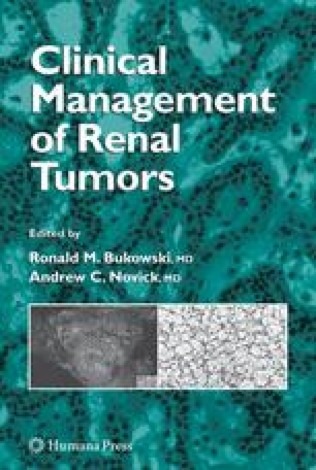
Clinical Management of Renal Tumors provides an in-depth review of the data relating to the management of renal tumors as well as an updated description regarding pathologic and molecular classification of renal tumors.
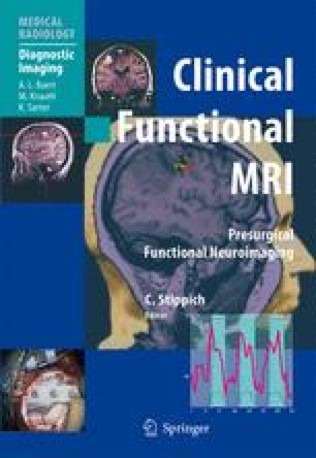
Functional magnetic resonance imaging (fMRI) has contributed significantly to progress in neuroscience by permitting noninvasive imaging of the "human brain at work" under physiological conditions. Within clinical neuroimaging, fMRI is opening up a new diagnostic field by measuring and visualizing brain function. However, fMRI is not yet a standard diagnostic imaging procedure. This textbook is devoted to preoperative fMRI in patients with brain tumors and epilepsies, which are the most well-established clinical applications. By localizing and lateralizing specific brain functions in individual patients, as well as epileptogenic zones, fMRI facilitates the selection of a safe treatment and the planning and performance of function-preserving neurosurgery.
Clinical Chemistry considers what happens to the body’s chemistry when affected by disease. It provides introductory coverage of the scientific basis for biochemistry tests routinely used in medicine - including tests for the assessment of organ function, diagnosis and monitoring disease activity and therapy efficacy. Each topic area begins with a concise description of the underlying physiological and biochemical principles and then applies them to patient investigation and management. The regular use of case histories helps further emphasise clinical relevance and chapter key points, as well as provide a useful starting point for examination revision.
MRI has become the preferred noninvasive imaging modality for the heart and great vessels. The substantial technological progress achieved in recent years has provided the user with state of the art MRI systems, but their optimal use can be limited by restricted awareness of the potential patient benefit and the necessity for teaching. This extensively illustrated volume, has been specifically compiled to meet these needs. Essential theoretical background information is provided, and imaging acquisition and potential pitfalls are considered in detail. Most importantly, structured guidelines are provided on the interpretation of clinical data in the wide range of cardiac pathology that can be encountered. Throughout, the emphasis is on the implementation of cardiac MRI in clinical practice.
Helps you understand the principles of pharmacology and apply them to nursing practice. Known for its practical application of the nursing process to drugs and disorders, this book explains how to make informed decisions about drug therapy, educate patients, and administer medications. This edition adds new Next Generation NCLEX® (NGN)-style case studies and questions to prepare you for the critical thinking questions on the NGN exam. Concise and easy to use, this text teaches the basics of medication administration and drug actions.

This book reviews the interagency research and development effort on classical biological control in the USA from 1992-2002. The successful exploration, importation, screening, evaluation, rearing, and establishment of at least five exotic Bemisia. tabaci natural enemies in rapid response to the devastating infestations in the USA is a landmark in interagency cooperation and coordination of multiple disciplines. In this volume, the various authors present detailed reviews of natural enemy exploration, introduction, and evaluation efforts that will serve as a guide to support and encourage classical biological control inputs into other integrated pest management systems.
The subject of diagnostic radiology is now very large and radiology depa- ments are involved in all areas of modern patient care.The defining event in m- ern radiology,and arguably the most significant development in radiology since Wilhelm Röntgen discovered X-rays, was the invention of the CT scanner in the 1970s.The CT scanner introduced modern cross-sectional imaging and also di- tal imaging.We now have MRI and ultrasound and these techniques are replacing many traditional X-ray procedures.The developments in radiology have been the result of a fruitful interaction between the basic sciences, clinical medicine and the manufacturers. This can be seen by looking at the various sources of these publications. Change is produced by the interactions between the various dis- plines. The editors have had a very difficult task in selecting the key discoveries and descriptions.The radiological literature is very large.Medical imaging continues to develop rapidly and these papers are the foundations of our current practice.
Cytogenetics is a very important research tool in basic and applied research. The uses of cytogenetics in human-population monitoring, in biological dosimetry in radiation accidents and in astronauts and as a predictive measure of cancer are topics discussed in this book. The book will help the reader to better understand cytogenetics and the intricacies of the methodology. The different methods of fluorescence in situ hybridization are discussed and the results achieved are presented. The book provides a comprehensive review of basic and applied aspects of cytogenetics and therefore will be of interest to all who are interested in chromosomes and their alterations by different types of mutagens, including chemical mutagens and ionizing and nonionizing radiation, with special reference to electromagnetic fields.
This book summarizes the chemical, physical, biological and medical aspects of chlorophyll (and bacteriochlorophyll) research and development, with a focus on the tremendous progress achieved over the past 15 years. Each section has an up-to-date introductory overview which is followed by a series of concise well-focused and fully-referenced chapters written by experts in (bio)chemistry, (bio)physics, photobiology and photomedicine.
This book presents current understanding on the specific pathological features of the C. pneumoniae arterial lesion and the unique morphological features and life cycle of C. pneumoniae in atheromatous arteries. It is important for every medical practitioner to be aware of this disease. All internal medicine physicians, intensivists, family medicine practitioners, infectious disease and immunology physicians should be aware of the impact of C. pneumoniae, the specific pathological features, and methods of diagnosing the lesion. This book presents a unique review of this important
Discovery in the use of chitosan-based nanocomposites in biomedical applications, including the scope to which these novel materials have been incorporated by the community. It provides an exceptional insight into the strategies for the synthesis and chemical modifications of chitosan, characterization techniques, their use as anticancer agents, antimicrobial, antiviral, and antifungal agents, their role in the biomedical field, and applications in drug delivery, gene therapy, dentistry, orthopedics, etc. This book will also emphasize the challenges with previous signs of progress and way for further research, details relating to the current pioneering technology, and future perspectives with a multidisciplinary approach. Furthermore, it presents up-to-date information on the economics, toxicity, and regulations related to these novel materials.
Presents a review of chitosan, including information regarding its structure, main properties, available sources, extraction, and processing techniques. It presents the different applications of chitosan as a biomaterial in fields such as medicine and the agricultural, cosmetology, pharmaceutical, and food industries to have readers obtain a more technical vision of the current use of this biopolymer.
This edition of Current Topics in Microbiology and Immunology examines the role of chemokines and chemokine receptors in host defense and disease development following viral infection. Chemokines represent a family of over 40 small proteins that, for the most part, are secreted into the environment and function by binding to G protein-coupled receptors (GPCRs) that are expressed on numerous different cell types. When initially identified close to 30 years ago, these molecules were associated with various human inflammatory diseases and it was recognized that expression may be integral in leukocyte recruitment to inflamed tissue. There are now four sub-families of chemokines identified based on defined structural criteria relating to the positional location of conserved cysteine residues within the amino-terminus of the protein. Chemokines are now recognized as important in numerous biological processes ranging from maintaining the organizational integrity of secondary lymphoid tissue to participating in various aspects of both innate and adaptive immune responses following microbial infection. With this in mind, this book highlights the functional roles of chemokines and their receptors in participating in various aspects of the immune response against well-known viral pathogens.
Plants produce secondary metabolites that humans harness for their own benefit. About half of drugs currently in clinical use are based on these chemicals found in nature. Chemistry of Natural Products covers secondary metabolites present in medicinal plants and their biosynthesis, biological activities, and isolation and separation techniques.

سوريا - اتستراد درعا - غباغب
+963-15 2050 - 15 860 380 /1/2/3 - 11 662 3900