


تحسين النتائح
ترتيب حسب
من
الى

Color is a visible technology that invisibly connects so many puzzling aspects of modern Western consumer societies research and development, making and selling, predicting fashion trends, and more. Building on Regina Lee Blaszczyk’s go-to history of the “color revolution” in the United States, This book explores further transatlantic and multidisciplinary dimensions of the topic. Covering history from the mid nineteenth century into the immediate past, it examines the relationship between color, commerce, and consumer societies in unfamiliar settings and in the company of new kinds of experts. Readers will learn about the early dye industry, the dynamic nomenclature for color, and efforts to standardize, understand, and educate the public about color.
This book has a rather long-winding history. It is not like anything else the present author ever wrote, as all the rest is theoretical economics in a d- tinctively mathematical dress. For the emergence of the following pages, there are several people, - cept the author, who are to have the credit, or perhaps the blame.
The availability of microdata has increased rapidly over the last decades, and standard statistical and econometric software packages for data analysis include ever more sophisticated modeling options. The goal of this book is to familiarize readers with a wide range of commonly used models, and thereby to enable them to become critical consumers of current empirical research, and to conduct their own empirical analyses.
An Annotated Timeline of Operations Research: An Informal History recounts the evolution of Operations Research (OR) as a new science - the science of decision making. Arising from the urgent operational issues of World War II, the philosophy and methodology of OR has permeated the resolution of decision problems in business, industry, and government. The Timeline chronicles the history of OR in the form of self-contained, expository entries. Each entry presents a concise explanation of the events and people under discussion, and provides key sources where further relevant information can be obtained. In addition, books and papers that have influenced the development of OR or helped to educate the first generations of OR academics and practitioners are cited throughout the book.

Provides a comprehensive yet compact survey of the growth of American economic influence in Europe since the 1880s. Three distinct but cumulative waves of Americanization are identified. Americanization was (and still is) a complex process of technological, political, and cultural transfer, and this overview explains why and how the USA and the American model of industrial capitalism came to be accepted as the dominant paradigm of political economy in today's Europe. Americanization of the European Economy summarizes the ongoing discussion by business historians, sociologists, and political scientists and makes it accessible to all types of readers who are interested in political and economic development.

This book explores the role of agriculture in long-term economic growth. With a particular focus on Ethiopia, the role of the state in igniting agricultural growth and in sustaining economic growth is highlighted as essential for low-income countries. Taking ideas from both economic history and development economics, the ability of Ethiopia and the rest of Africa to sustain recent rapid growth into something that can tackle the development agenda is discussed, alongside policy suggestions.

This book provides a multi-perspective approach to the caravan trade in the Sahara during the 19th century. Based on travelogues from European travelers, recently found Arab sources, historical maps and results from several expeditions, the book gives an overview of the historical periods of the caravan trade as well as detailed information about the infrastructure which was necessary to establish those trade networks.
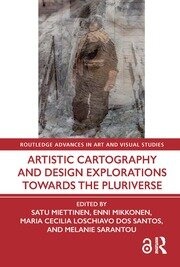
Explores the pluriverse of art and design through epistemological and methodological considerations. What kinds of sustainable ways are there for knowledge transfer, supporting plural agendas, finding novel ways for unsettling conversations, unlearning and learning and challenging power structures with marginalised groups and contexts through art and design? The main themes of the book are art and design methods, epistemologies and practices that provide critical, interdisciplinary, pluriversal and decolonial considerations. The book challenges the domination of the white logic of art and design and shifts away from the Anglo-European one-world system towards the pluriverse.
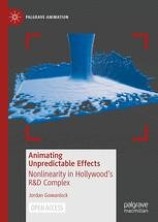
Uncanny computer-generated animations of splashing waves, billowing smoke clouds, and characters’ flowing hair have become a ubiquitous presence on screens of all types since the 1980s. This Open Access book charts the history of these digital moving images and the software tools that make them. Unpredictable Visual Effects uncovers an institutional and industrial history that saw media industries conducting more private R&D as Cold War federal funding began to wane in the late 1980s. In this context studios and media software companies took concepts used for studying and managing unpredictable systems like markets, weather, and fluids and turned them into tools for animation. Unpredictable Visual Effects theorizes how these animations are part of a paradigm of control evident across society, while at the same time exploring what they can teach us about the relationship between making and knowing.
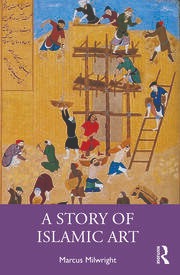
The book also provides a detailed introduction, maps, timeline, glossary, and guides for further reading. This book offers accessible answers to key questions in the scholarship on Islamic art and architecture from its earliest times to the present. The issues dealt with in each of the stories include iconography, attitudes towards representation, the role of script, the elaboration of geometric decoration, the creation of sacred and secular spaces in architecture, and the socio-cultural context of art production and consumption.
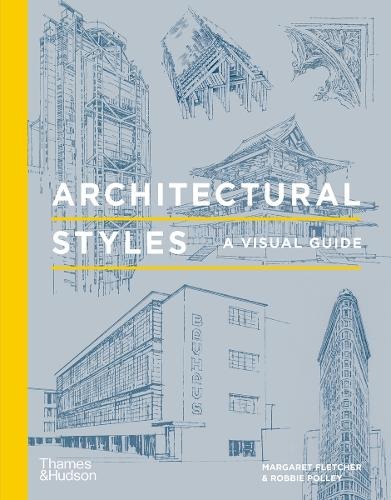
It begins with the earliest styles of the ancient civilizations – Egypt, Greece and Rome – before travelling through Medieval, Renaissance and Baroque and into the modern world via the panoply of 19th century revivalist styles. Also covered is the traditional architecture of China, India, Japan and Pre-Columbian America. A final section gathers together key architectural elements from different periods – columns, towers, doorways, windows.
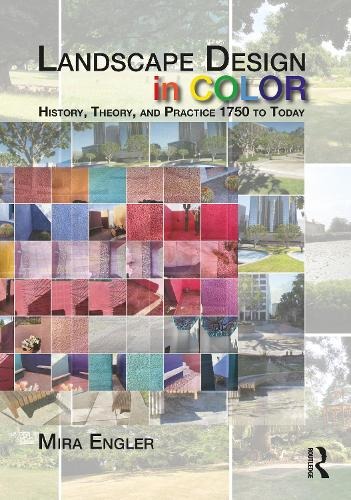
Posits that though color and lighting effects appear natural, fleeting, and difficult to comprehend, the sensory palette of built landscapes and gardens has been carefully constructed to shape our experience and evoke meaning and place character. Landscape Design in Color: History, Theory, and Practice 1750 to Today is an inquiry into the themes, theories, and debates on color and its impact on practice in Western landscape architecture over the past three centuries.

The development of modern architecture in Korea and, more recently, South Korea, is closely tied to the country’s dramatic transformations since the late 19th century.The architectural analyses, ranging from Hwaseong Fortress to 21st-century constructions like Paju Book City, Ssamziegil Shopping Center, the Boutique Monaco skyscraper, and the Bauzium Sculpture Museum, focus on buildings in which the formation of a specifically Korean modernism is particularly observable. The appendix includes biographical descriptions of major architectural figures.
Bringing together an international team of scholars, this book offers new perspectives on the impact that the Bauhaus and its teaching had on a wide range of artistic practices.
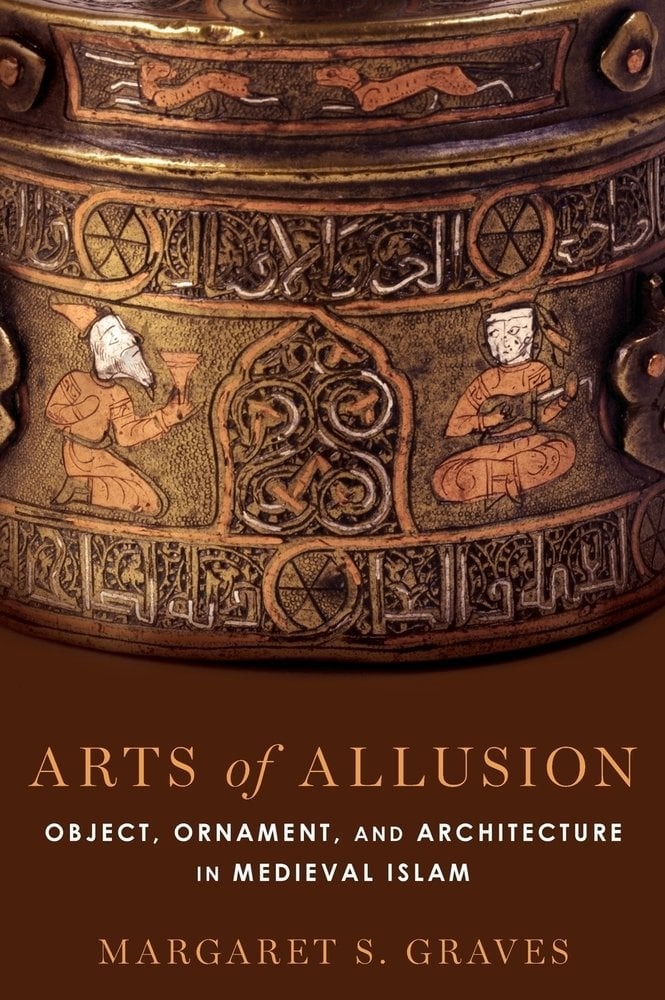
The art of the object reached unparalleled heights in the medieval Islamic world, yet the deep intellectual dimensions of ceramics, metalwares, and other plastic arts in this milieu have not always been acknowledged. Arts of Allusion reveals the object as a crucial site where premodern craftsmen of the eastern Mediterranean and Persianate realms engaged their creations in fertile dialogue with poetry, literature, painting, and, perhaps most strikingly, architecture. Through close studies of objects from the ninth to the thirteenth centuries, this book reveals that allusions to architecture abound across media in the portable arts of the medieval Islamic world.
This book focuses on the phenomenon of art intervention—an expression of local initiatives by artists, collectives, and art centers wishing to influence the design of the space or make a change in its lifestyle.
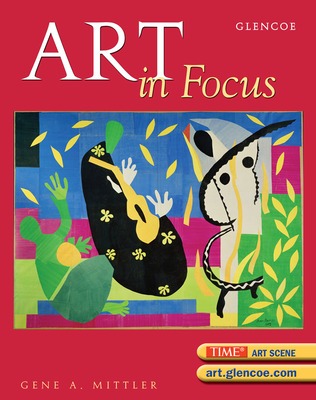
The premier art history text! This integrated, chronological approach to the study of art demonstrates the interrelationships of aesthetics, art criticism, art history, and studio art.
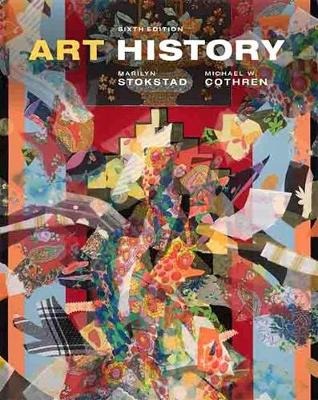
Brings the history of art to life for a new generation of students. It is global in scope, inclusive in its coverage, and warm and welcoming in tone. The guiding vision of Art History is that the teaching of art history survey courses should be filled with equal delight, enjoyment, and serious learning, while fostering an enthusiastic and educated public for the visual arts.
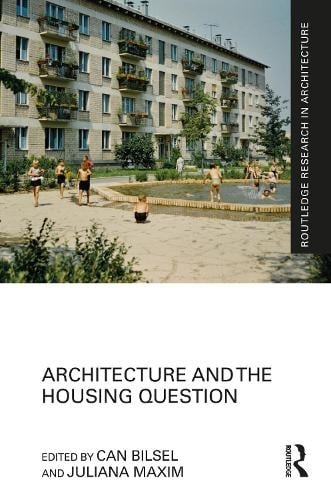
Examines how the design and provision of housing around the world have become central both to competing political projects and to the architecture profession. How have architects acting as housing experts helped alleviate or enforce class, race, and gender inequality? What are the disciplinary implications of taking on shelter for the multitude as an architectural assignment and responsibility? The book features essays in the historiography of architecture and the housing question, and a collection of historical case studies from Belgium, China, France, Ghana, the Netherlands, Kenya, the Soviet Union, Turkey, and the United States.
Architectural Colossi and the Human Body discusses the role of Platonic and Cartesian philosophy and how philosophers such as Heidegger and Merleau-Ponty, and theoreticians such as Frascari and Pallasmaa, have seen, described and analysed the human body and the role of architecture and perception. Drawing upon three key case studies and by employing theoretical ideas of Venturi and others, this book will provide an understanding of the role of anthromorphism and the relation and use of the human body with reference to selected architects and artists.

سوريا - اتستراد درعا - غباغب
+963-15 2050 - 15 860 380 /1/2/3 - 11 662 3900