



الصفحة 3
الصفحة 3
Les cancers digestifs = Digestive cancers
Digestive tumors are among the most common malignant tumors and represent a major public health problem. This is one of the areas that has evolved the most in recent years in oncology due to significant progress in diagnostic strategies and therapeutic management. It seems essential that this progress be implemented in the daily practice of physicians treating these tumors. This book, the result of multidisciplinary work, provides a practical and up-to-date approach to the management of malignant digestive tumors. The first chapters are devoted to general and original subjects such as epidemiology, genetics, the management of elderly subjects. A second part approaches in a pragmatic and practical way the principles of diagnostic and therapeutic management by localization. A third part, devoted to the practical realization of chemotherapy, takes stock of new therapeutic approaches, oral or locoregional chemotherapy. Finally, the last part of the book is dedicated to digestive cancer emergencies and the palliative management of these tumors.

Le cancer du sein = Breast cancer
The reader will find there both a synthetic summary of the current state of knowledge of epidemiology, risk factors and pathological aspects as well as a presentation of the surgical aspects, in particular, of the new approach that constitutes the sentinel node procedure. Radiotherapy, in a practical view, is divided into essential clinical questions. The medical treatment is then discussed according to the different situations encountered on a daily basis. Particular attention is of course paid to recent data both with the contribution of hormone therapy and targeted therapies. Finally, the symptomatic treatments and especially the psychological care of these patients are not forgotten.
Ketamine for Treatment-Resistant Depression : Neurobiology and Applications
Ketamine for Treatment-Resistant Depression: Neurobiology and Applications provides a simple, evidence-based overview for neuropsychiatrists and translational researchers on this medication, its mechanisms of actions, eligibility of patients for treatment, and the preparation and implementation of ketamine clinics.

Chemotherapy and pharmacology for leukemia in pregnancy : Guidelines and strategies for best practices
The book addresses a broad range of subjects, including: pregnancy and its characteristics; staging, pathology, morbidity and what to expect in each type of leukemia; chemotherapy for leukemia in pregnant women with complete trials; dose adjustment of chemotherapy for leukemia in pregnancy based on serum dosages; and pharmacokinetics and pharmacodynamics for this unique group of patients. In turn, subsequent chapters focus on protecting the fetus and neonatal management regarding chemotherapy for leukemia in pregnancy, including the treatment and risks for the fetus (for each type of leukemia), intrathecal therapy and its effects on the fetus; supportive drugs, antibiotics and antifungals for pregnant patients during chemotherapy, including intervention and dose adjustments; palliative care for women with leukemia in pregnancy; breastfeeding during treatment for leukemia; pharmacological aspects of supplements, vitamins and nutrition in pregnancy during leukemia treatment; and more.
Checkpoint Responses in Cancer Therapy
This book’s distinguished panel of authors takes a close look at topics ranging from the major molecular players affecting DNA synthesis and the response to DNA damage to advances made in the identification of chemical compounds capable of inhibiting individual mitotic kinases. Illuminating and authoritative, Checkpoint Responses in Cancer Therapy offers a critical summary of findings for researchers in the pharmaceutical and biotechnology industries and a valuable resource for academic scientists in cancer research and the study of cell-cycle regulation, signal transduction and apoptosis.
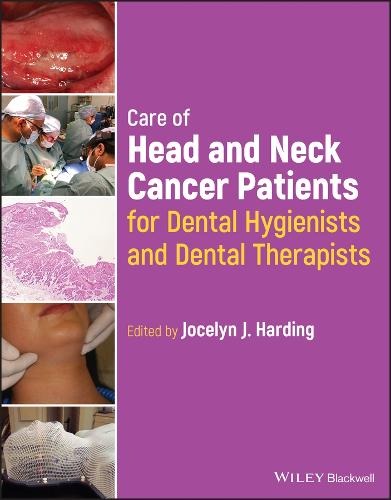
Care of head and neck cancer patients for dental hygienists and dental therapists
An advisory guide that enables dental hygienists, dental therapists, and other health care professionals to appreciate the journey undertaken by head and neck cancer patients. Focusing on the before, during, and after treatments, the book covers common head and neck cancer treatments such as surgery, radiotherapy, chemotherapy and innovative new therapies. It also discusses treatment complications such as halitosis, osteoradionecrosis, and radiation dermatitis.
Cancer Survivorship : Today and Tomorrow
A diagnosis of cancer provokes myriad responses in patients, chief among them the question: "how long do I have to live?" Increasingly, the answer to that question is not one of months or years, but decades. While there are now nearly 10 million people in the United States who have recovered or are currently recovering from cancer (increased from three million in 1971), the unique challenges encountered by survivors are often met with uncertainity by even the most seasoned physicians, nurses, and clinical social workers because of a lack of formal guidelines for post-treatment care and follow-up.
Cancer du testicule = Testicular cancer
Testicular cancer has benefited from important therapeutic advances radically transforming its prognosis. Recent protocols have led to the development of treatments that maintain therapeutic efficacy while favoring quality of life and minimizing the sequelae (such as fertility disorders) in these often young men. This book discusses the various technical advances both in the field of diagnosis - with the contribution of modern imaging and anatomopathology - and therapy. The place of chemotherapy as well as that of surgery are largely detailed, thus placing the urologist at the heart of the multidisciplinary team taking care of these patients. Quality of life is also discussed by taking into account the impact of the treatment of these tumors on the fertility of these young patients.
Cancer du sujet âgé = Cancer in the elderly
Etablir un diagnostic précoce, définir une stratégie adaptée et offrir une meilleure qualité de vie chez le sujet âgé atteint de cancer constituent les défis de l’Oncologie de ce début de siècle. Cet ouvrage a pour objectif de proposer aux médecins et aux étudiants un condensé des différents aspects de l’oncologie sur le sujet âgé. Dans une première partie, les aspects épidémiologiques et biologiques ainsi que l’évaluation gériatrique multiparamétrique sont abordés. Les particularités de l’application de la chimiothérapie, de la radiothérapie et de la chirurgie au sujet âgé sont passées en revue. Dans une troisième partie, la stratégie thérapeutique multidisciplinaire est ensuite détaillée par site.

Cancer du sein ; Compte rendu du cours supérieur francophone de cancérologie (Saint-Paul-de-V Vence, ence, 18–20 janvier 2007) = Breast cancer : Proceedings of the French-speaking oncology higher course (Saint-Paul-de-V Vence, ence, 18–20 January 2007)
Durant les deux premières journées, toutes les étapes importantes de la prise en charge des cancers du sein ont été déclinées. L’analyse du risque de voir survenir un cancer du sein a été explorée dans sa diversité suivie par les résultats du dépistage organisé et les problèmes du diagnostic. Les traitements locorégionaux ont précédé les traitements adjuvants sans oublier les patientes dont la tumeur présentait une hyperexpression de HER2. Une session a été consacrée aux cancers métastatiques et une autre aux personnes âgées. Comme à chaque cours, nous nous sommes penchés sur l’avenir en dissertant sur la classification moléculaire et sur le passé avec la très belle conférence du Pr David Khayat sur le bilan du Plan Cancer.

Cancer du sein ; Compte rendu cours supérieur francophone de cancérologie, (Saint-Paul-de-Vence 13-15 Janvier 2005) = Breast cancer ; Report on the advanced French-language course in oncology, (Saint-Paul-de-Vence, January 13-15, 2005)
In January 2005, the 9th Cours de Saint-Paul-de-Vence, devoted to Breast Cancer, was dominated by the establishment of "Recommendations for Clinical Practice". The five subjects of these recommendations, such as the management of the axillary cavity, neo-adjuvant treatments, the management of patients whose tumor overexpresses HER2, adjuvant hormone therapy and finally adjuvant chemotherapy have been widely discussed. As in each course, certain essential fields were treated such as organized screening, conventional radiology and MRI, prognostic and predictive factors. Ductal cancers and lobular cancers have been compared in a remarkable way in three papers which were produced by the Saint-Cloud school. Data on in situ cancers have been updated. Finally, advice was given for the use of the various standards, whether local, regional or national.R2, l¹hormonothérapie adjuvante et enfin la chimiothérapie adjuvante ont été largement abordés.
Cancer Chemotherapy in Clinical Practice
This book summarises the whole range of systemic cancer therapies, explaining their mode of action and potential side-effects, as well as their clinical applications.
Cancer
The last decade has seen a dramatic shift in anticancer drug research towards agents that aim to target selectively key regulatory and signaling processes known to drive tumorigenesis. A number of these newer agents have now been introduced into clinical practice. This volume reviews advances in cancer chemotherapy research over the last 10 years and will be of interest to scientists engaged in drug research in the pharmaceutical industry, biotechnology and startup companies, academia and government institutions. Chapters written by leading experts in their field reflect a range of current medicinal chemistry approaches to small molecule drugs, including anti-hormonal therapy, growth factor inhibition, survival signaling, cell cycle inhibition, anti-angiogenics and anti-nvasives. Each chapter aims to cover the drug target and biological rationale, chemotypes, clinical status and future prospects in this rapidly developing area of drug research.

Breast cancer ; 2nd ed.
This book highlights M. D. Anderson Cancer Center’s multidisciplinary approach and reviews the entire spectrum of patient care, from prevention and screening through diagnosis and treatment through posttreatment follow-up and survivorship issues.

Brain Metastases
Brain metastases are the most dreaded complication of systemic cancer, affecting approximately 170,000 people a year, a far greater incidence than primary brain tumors. Advances in modern chemotherapy have led to an improved control of system cancers, often with agents that poorly penetrate the central nervous system, resulting in an increasing incidence of brain metastases. Traditional chemotherapy has had little impact on brain metastases. The main therapeutic option is radiation therapy, and in a small number of patients - surgery. However, refinements in all of these treatments offer some positive outcomes and an increased ability to stratify patients based on certain criteria.
Bioactive Heterocycles IV
This volume contains nine more contributions from expert researchers of the?eld, providing readers with in depth and current research results regarding therespective topics. In the?rst chapter, Flemming et al. review the chemistry, biosynthesis, metabolism and biological activities of tetrahydrocannabinol and its deri- tives. Hansch and Verma contribute to the quantitative structure-activity re- tionship (QSAR) analysis of heterocyclic topoisomerase I and II inhibitors. These inhibitors, knowntoinhibit either enzyme, actasantitumoragentsand are currently used in chemotherapy and in clinicaltrials. In the third chapter, Khan reviews some aspects of molecular modeling studies on biologically active alkaloids.

Arum palaestenium in cancer therapies
Cancer is a very complicated sequence of disease conditions progressing gradually with a generalized loss of growth control.1–3 There were only a few options of cancer treatment for patients for many decades which include surgery, radiation therapy, and chemotherapy as single treatments or in combination.4,5 But recently, many pathways involved in cancer therapy progression and how they can be targeted has improved dramatically, with combinatorial strategies, involving multiple targeted therapies or “traditional” chemotherapeutics, such as the taxanes and platinum compounds, being found to have a synergistic effect.6 New approaches, such as drugs, biological molecules, and immune-mediated therapies, are being used for treatment.
Applied therapeutics : The clinical use of drugs
"Continually revised and updated for 50 years, Applied Therapeutics: The Clinical Use of Drugs is the gold standard for patient centered drug therapeutics. With its acclaimed case-based approach, it promotes mastery and application of the fundamentals of drug therapeutics. Featuring contributions from more than 200 experienced clinicians, every chapter reflects our ever-changing knowledge of drugs and the application of this knowledge to the individualized therapy of patients. As students progress from the General Principles section to chapters on specific diseases, they will benefit from practical problem-solving techniques that help devise effective evidence-based drug treatment plans"
Anticancer activity in heterocyclic organic structures : A pathway to novel drug development : Part 1
New Directions in Organic & Biological Chemistry, explores the development of cancer therapeutics, focusing on molecular chemistry and advanced drug design approaches. Written by experts in theoretical chemistry and molecular chemistry, they bridge the gap between theoretical chemistry, molecular biology, and drug development. In Part I, they focus on the fundamental properties of heterocyclic compounds and innovative methodologies being employed to enhance therapeutic potential. By exploring various classes of heterocyclic compounds and diverse anticancer mechanisms.
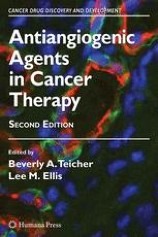
Antiangiogenic Agents in Cancer Therapy
Antiangiogenesis remains a dynamic and evolving field in oncology. New therapeutic targets continue to emerge followed by the rapid development of new therapeutic agents to be investigated in clinical trials. Optimizing the therapeutic potential of antiangiogenic agents in combination with the other therapies in the armamentarium to fight cancer will be an on-going challenge. Antiangiogenic Agents in Cancer Therapy, Second Edition provides a current, up-dated perspective on the state of the art of angiogenesis and therapy with a compendium of scientific findings and approaches to the study of angiogenesis in cancer. Leaders in the field present chapters on such topics as the environmental influences and the genetic and physiologic abnormalities that mediate angiogenesis and its role in the progression of malignant disease, working models of tumor angiogenesis, and the role of angiogenesis inhibition in the therapy of malignant disease in humans. Comprehensive and cutting-edge, Antiangiogenic Agents in Cancer Therapy, Second Edition is an ideal, valuable guide to the most recent advances in the field, and a collection that will be useful for many years to come.
