


تحسين النتائح
ترتيب حسب
من
الى

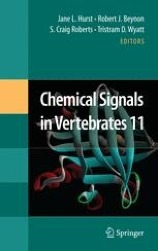
Presents the proceedings of "Chemical Signals in Vertebrates 11", hosted by the University of Liverpool and held July 25 - 28, 2006 at the University of Chester in the United Kingdom. Chemical Signals in Vertebrates 11 contains the latest research on chemical communication relevant to vertebrates, particularly focusing on new research since the last meeting in 2003. Topics covered include chemical ecology, biochemistry, behavior and neurobiology of both the main olfactory and vomeronasal systems of vertebrates, from amphibia to mammals including humans. A broad range of taxonomic groups and topics are discussed, including sections on new directions in semiochemistry, olfactory response and function, recognition within species, sexual communication, maternal-offspring communication, communication between species, and applications for zoo animal enrichment and pest control. The volume is dedicated to the memory of Dr. Bets Rasmussen and includes a special tribute chapter on her ground-breaking research on elephant communication.
Gives the reader, through the specific selection of chemical-biological techniques and concepts, the necessary tools to be able to develop new ways of thinking and thus new therapeutic options in the complex field of chemical biology and drug development. The stated aim of this book is to provide concrete solutions and inspiration to students, (post)graduate students, and experienced scientists at universities as well as in industry in their problems.
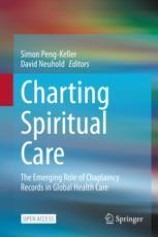
This book is the first academic book on the controversial issue of including spiritual care in integrated electronic medical records (EMR). Based on an international study group comprising researchers from Europe (The Netherlands, Belgium and Switzerland), the United States, Canada, and Australia, this edited collection provides an overview of different charting practices and experiences in various countries and healthcare contexts.
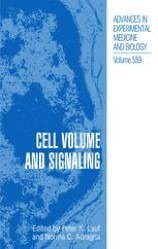
In front of you is the finished product of your work, the text of your contributions to the 2003 Dayton International Symposium on Cell Volume and Signal Transduction. As we all recall, this symposium brought together the Doyens of Cellular and Molecular Physiology as well as aspiring young investigators and students in this field.
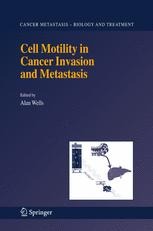
Cancer Morbidity and mortality result from invasive and metastatic spread. Currently, no therapies are aimed at the underlying mechanisms that enable this progression due to only nascent recognition of the distinct biology which occurs only during tumor dissemination. Recent advances have highlighted the central role of cell motility during the dynamic and transient process of tumor invasion and metastasis. This book includes state-of-the-art updates by international leaders in these studies. Chapters first present the novel model systems that enable new investigations and insights. Chapters then describe in depth the key processes and molecules that may be therapeutically targeted. Finally, the role of cell motility and its signals is explored in a number of key tumor types. This compilation should be useful to researchers in basic and translational oncology as well as those developing novel agents to prevent tumor invasion and metastasis.
At first glance, the nervous and immune systems appear very different. However, both systems have developed mechanisms for memory formation – though of quite different quality and significance for the organism. One striking example is that both systems form and communicate via synapses armed with similar sets of proteins. This collection of reviews, contributed by internationally recognized immunologists and molecular and cellular neurobiologists, puts side by side cellular communication devices and signaling mechanisms in the immune and nervous systems and discusses mechanisms of interaction between the two systems, the significance of which has only recently been fully appreciated.
The present book provides a comprehensive overview of our current knowledge on plastid biogenesis, plastid-nuclear communication, the regulation of plastid gene expression at all levels, and also assesses the state of the art in key technologies, such as proteomics and chloroplast transformation. Written by recognized experts in the field, it covers plastid differentiation and division, genome structure and function, plastid inheritance, recombination, DNA replication and repair, transcription, RNA processing and translation as well as crucial posttranslational processes in plastid biogenesis and function, including protein processing, the assembly of multiprotein complexes, protein stability and degradation, protein import and sorting.
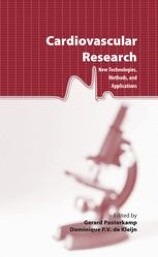
Cardiovascular Research: New Technologies, Methods & Applications serves as an essential reference material offering a complete overview of innovative new technologies, methods, and applications in current cardiovascular research. Cardiovascular Research: New Technologies, Methods & Applications presents a methods and applications approach to cardiovascular research written by prominent international researchers presenting commissioned summaries of cutting edge research.
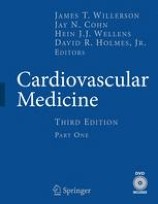
Cardiovascular Medicine, 3rd edition" offers the most up-to-date, user-friendly guidance on the evaluation, diagnosis and medical and surgical treatment of heart and vascular disease and will be relevant to the practice of every cardiologist, cardiac surgeon, vascular surgeon, diabetologist, cardiac radiologist and any physician who manages cardiac patients. Drs Willerson, Cohn, Wellens and Holmes – and over 150 world authorities – offer their decades of scientific and clinical experience. The book and DVD are designed to provide comprehensive coverage of every aspect of cardiovascular medicine from cardiac signs and symptoms .
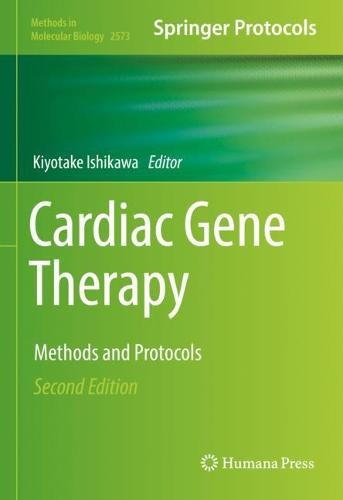
Discussions on topics such as gene suppression, editing, and reprogramming; cardiac gene therapy vectors and promoters; cardiac gene delivery methods; pulmonary hypertension; and patient screening and measuring the efficacy of cardiac gene therapy. Written in the highly successful Methods in Molecular Biology series format, chapters include introductions to their respective topics, lists of the necessary materials and reagents, step-by-step, readily reproducible laboratory protocols, and tips on troubleshooting and avoiding known pitfalls.
This book collates all relevant imaging findings of the use of cardiac CT and presents them in a clinically relevant and practical manner appropriate for residents and fellows in both cardiology and radiology. The images have been supplied by an internationally renowned set of contributing authors and represent the full spectrum of cardiac CT imaging.
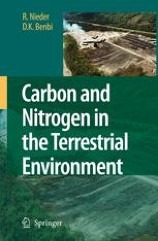
Carbon and Nitrogen in the Terrestrial Environment is a comprehensive, interdisciplinary description of C and N fluxes between the atmosphere and the terrestrial biosphere; issues related to C and N management in different ecosystems and their implications for the environment and global climate change; and the approaches to mitigate emission of greenhouse gases.Drawing upon the most up-to-date books, journals, bulletins, reports, symposia proceedings and internet sources documenting interrelationships between different aspects of C and N cycling in the terrestrial environment, Carbon and Nitrogen in the Terrestrial Environment fills the gap left by most of the currently available books on C and N cycling. They either deal with a single element of an ecosystem, or are related to one or a few selected aspects like soil organic matter (SOM) and agricultural or forest management, emission of greenhouse gases, global climate change or modeling of SOM dynamics.
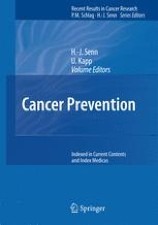
This volume contains the main proceedings of the fourth international conference on "Cancer Prevention 2006," which was held during February 16–18, 2006, in St. Gallen, Switzerland. Written by international experts in the field, the book comprises a comprehensive update on the most recent developments in the upsurging fields of molecular biology and cancer genetics and their interactions with clinical epidemiology and cancer prevention at various levels: genetic/biologic predisposition and definition of high-risk groups; preclinical models and tumor prevention; prospects of surrogate endpoints and biomarkers; progress in imaging and detection of neoplastic precursor lesions.
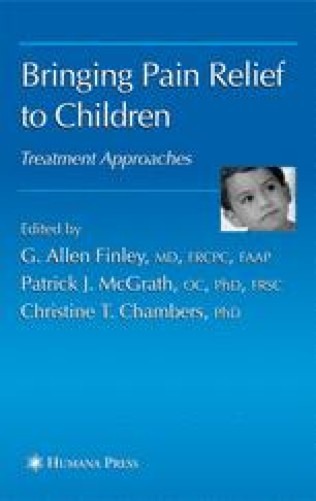
In Bringing Pain Relief to Children: Treatment Approaches, a panel of prominent clinician-scientists comprehensively reviews the latest developments in pediatric pain management, with special emphasis on the setting in which pain is detected and managed. The authors explore the cutting-edge of children's pain care in inpatient, outpatient, palliative care, school, and residential settings, and describe alternate approaches, including complementary and alternative medicine, pain management via the internet and information technology, and pain care in developing countries.
Publishes comprehensive volumes on immune and genetic mechanisms of breast cancer diagnosis and prognosis. The role of molecular genetics, interleukins, chemokine receptor, and tumor-infiltrated lymphocytes-TILS in breast cancer are explained. Targeting myeloid determinants, SiRNA loaded in drug delivery nanosystems, nucleic acid and drug dual agent nanoplatforms, and oncolytic virotherapy are also discussed in the treatment of breast cancer, particularly in multidrug resistant and metastatic breast cancer.
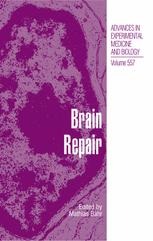
Brain Repair, addresses all relevant issues underlying the mechanisms of brain damage, brain plasticity and post-traumatic reorganisation after CNS lesions. This book is divided the three major sections that follow; cellular and molecular basis of brain repair, plasticity and reorganisation of neural networks, and experimental therapy strategies. Brain Repair is written by high profile, international experts who describe in detail the newest results from basic research and highlight new model systems, techniques and therapy approaches. Based on a careful analysis of the cellular and molecular reaction patterns of the CNS to lesions, the contributions cover possibilities for endogenous reorganisation and repair as well as exciting new therapies emerging from basic research, some of which have already been introduced into the clinics.

The XIII International Symposium on Brain Edema intracerebral hemorrhage. This volume includes papers pre- day satellite conference on the subject. Brain vestigation focusing primarily on the secondary events edema, in many respects, is a marker of underlying which develop after the hemorrhage. pathological processes which include tissue injury There was considerable enthusiasm to continue the from many diseases.

Covers the latest advancements and techniques used to understand the fastidious bacterium, Borrelia burgdorferi, and its significance in infectious disorders by combining both conventional and cutting-edge approaches. This book covers diverse topics, including direct detection, diagnostic methods, immune response analysis, alternative model systems, advanced proteomics, social media analysis, and clinical research. It also discusses unconventional wet lab research such as content analysis, the use of ChatGPT, clinical algorithms for chronic Lyme, establishment of a pregnancy Lyme disease biobank, and investigates Lyme in pregnant women. Written in the highly successful Methods in Molecular Biology series format, chapters include introductions to their respective topics, lists of the necessary materials and reagents, step-by-step, readily reproducible laboratory protocols, and tips on troubleshooting and avoiding known pitfalls.
Bone Densitometry in Growing Patients is the first resource available for expert opinion on the use of dual energy x-ray absorptiometry (DXA) for evaluating bone density in children and adolescents. Written by internationally recognized pediatric bone researchers and clinicians, this volume is unique in its specific attention to the myriad challenges of measuring and evaluating bone density in the pediatric patient. There is sufficient technical detail presented in this volume to enable the establishment of a pediatric DXA center or the proper utilization of DXA scan information in current clinical practice.
Bone and Osteoarthritis places emphasis on the molecular and cellular events that lead to osteoarthritis, stressing the role of subchondral bone, which distinguishes this from other books on the disease.

سوريا - اتستراد درعا - غباغب
+963-15 2050 - 15 860 380 /1/2/3 - 11 662 3900