



الصفحة 3
الصفحة 3
Le complicazioni neurologiche in oncologia = Neurological complications in oncology
This volume, both necessary and new in the panorama of Italian medical literature, acknowledges this and presents an updated and complete review of the pathologies of the central and peripheral nervous system associated with tumors and their treatment. The purpose of the volume is to present an integrated approach between specialists that must see the neurologist and the oncologist in dialogue, and able to develop a new super-specialized clinical capacity in neuro-oncology. Many experts have contributed to its preparation by sharing knowledge on topics ranging from metastatic complications, to those of surgical cancer therapy, radio- and chemo-therapy, paraneoplastic syndromes, pain therapy, delirium and the affective alterations associated with the disease. The book is aimed in particular at neurologists, oncologists, palliative care practitioners and surgeons, but it is certainly useful for general practitioners and all operators who are daily involved in the demanding work of taking care of cancer patients.
La marche de linfirme moteur cérébral enfant et adulte = Gait in children and adults with cerebral palsy
Patients with cerebral palsy (CP) face numerous neuromotor problems related to brain damage, the functional consequences of which, in the early years of life, impact the acquisition of walking. A better understanding of gait and its levels of control, along with refined and quantified clinical analysis in the laboratory, allows for the definition of therapeutic options in collaboration with the patient, their family, and the healthcare team. Managing muscle tone disorders and neuro-orthopedic problems is a daily challenge for patients at all ages. Patients with CP increasingly benefit from new drug therapies, regular adjustments of walking aids and orthotics, and specific rehabilitation, sometimes combined with surgical procedures, whether orthopedic or neurological. This book reviews the evolution of knowledge and practices.
Cell Therapy, Stem Cells and Brain Repair
As our world continues to evolve, the field of regenerative medicine f- lows suit. Although many modern day therapies focus on synthetic and na- ral medicinal treatments for brain repair, many of these treatments and prescriptions lack adequate results or only have the ability to slow the p- gression of neurological disease or injury. Cell therapy, however, remains the most compelling treatment for neurodegenerative diseases, disorders, and injuries, including Parkinson’s disease, Huntington’s disease, traumatic brain injury, and stroke, which is expanded upon in more detail in Chapter 1 by Snyder and colleagues. Cell therapy is also unique in that it is the only therapeutic strategy that strives to replace lost, damaged, or dysfunctional cells with healthy ones.
Cell therapy stem cells and regenerative medicine
Provides an overview of cell-based therapy for human diseases including the definition, history, and clinical applications of human stem cells and their use in regenerative medicine. It covers human pluripotent stem cells (human embryonic stem cells and human induced pluripotent stem cells), mesenchymal stem/stromal cells, and hematopoietic stem cells, bone marrow mononuclear cells. In terms of clinical applications, this book also provides an update on recent human trials using these cells to treat various diseases, including neurological disorders, pulmonary dysfunctions, metabolic/endocrine-related diseases, frailty, and cancer treatment. In addition, it discusses the authors’ clinical trial experiences related to these conditions in a clinical setting to provide additional insight into regenerative medicine, especially cell-based therapy.
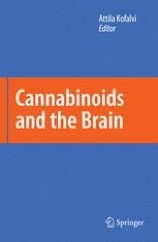
Cannabinoids and the brain
Cannabinoids and the Brain gives a comprehensive overview of all the essential literature concerning the endocannabinoid and related systems in the nervous tissue. It is a rapidly expanding research field and the widespread presence of cannabinoids in most physiopathological mechanisms appear to hinder the effort to fully cover the subject. By the end of the book, the reader will have a solid knowledge of the genetics, molecular biology, anatomy, pharmacology, and physiology of the endocannabinoid system and its involvement in neurological and psychiatric disorders, and will eventually discover a natural relationship among marijuana, aspirin, and chili pepper.
Cannabinoids and sleep : Molecular, functional and clinical aspects
Offers a comprehensive overview on cannabinoids and their effects on sleep Provides novel research findings on the therapeutic potential of cannabinoids Discusses the effect of cannabinoids in several neurological disorders

Burning mouth disease : A guide for patients
Prepared for patients who suffer from 'Burning mouth disease', also referred to as 'Burning mouth syndrome'. It gives a comprehensive overview of the disease, its symptoms and management. Readers will learn about the terminology and definition of 'Burning mouth disease', and its suggested causes. Attention is paid to symptoms of various diseases that may mimic those of burning mouth disease. Neurological and psychogenic aspects are well covered, as are the many reported pharmacological and non-pharmacological treatment modalities.
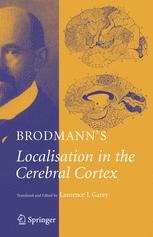
Brodmann's : Localisation in the Cerebral Cortex
It is one of the major "classics" of the neurological world. Even today it forms the basis for so-called "localisation" of function in the cerebral cortex. Brodmann's "areas" are still used to designate functional regions in the cortex, the part of the brain that brings the world that surrounds us into consciousness, and which governs our responses to the world. For example, we use "area 4" for the "motor" cortex, with which we control our muscles, "area 17" for "visual" cortex, with which we see, and so on. This nomenclature is used by neurologists and neurosurgeons in the human context, as well as by experimentalists in various animals. Indeed, Brodmann's famous "maps" of the cerebral cortex of humans, monkeys and other mammals must be among the most commonly reproduced figures in neurobiological publishing. The most famous of all is that of the human brain. There can be few textbooks of neurology, neurophysiology or neuroanatomy in which Brodmann is not cited, and his concepts pervade most research publications on systematic neurobiology.
Brain and Heart Dynamics
Despite the increasing awareness that neural mechanisms are the primary cause of cardiac disease and its progression, therapy continues to focus on end-organ protection and does not approach the neural core of the problem. Growing public health problems such as heart failure are still treated with autonomic drugs that are 30-40 years old and simply act on cardiac receptors. However, it has now been shown that the progression of ischemic heart disease to heart failure is mainly due to abnormal central responses to incipient cardiac disease, with neural activation the primary cause rather than the consequence of cardiac remodeling.

Body Sensor Networks
While the problems of long-term stability and biocompatibility are being addressed, several promising prototypes are starting to emerge for managing patients with acute diabetes, for treatment of epilepsy and other debilitating neurological disorders and for monitoring of patients with chronic cardiac diseases. Despite the technological developments in sensing and monitoring devices, issues related to system integration, sensor miniaturization, low-power sensor interface circuitry design, wireless telemetric links and signal processing still have to be investigated.
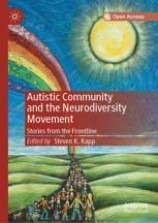
Autistic community and the neurodiversity movement : Stories from the frontline
This book marks the first historical overview of the autism rights branch of the neurodiversity movement, describing the activities and rationales of key leaders in their own words since it organized into a unique community in 1992. Sandwiched by editorial chapters that include critical analysis, the book contains 19 chapters by 21 authors about the forming of the autistic community and neurodiversity movement, progress in their influence on the broader autism community and field, and their possible threshold of the advocacy establishment

Atlas of Emergency Medicine Procedures
Provides a step-by-step, visual guide to the most common procedures in emergency medicine. Completely revised, it also includes new procedures such as REBOA, the HINTS test, sphenopalatine ganglion block, occipital nerve block, and lung ultrasonography. Procedures are described on a single page, or two-page spreads, so that the physician can quickly access and review the procedure at hand. The atlas contains more than 700 diagnostic algorithms, schematic diagrams, and photographic illustrations to highlight the breadth and depth of emergency medicine. Topics are logically arranged by anatomic location or by type of procedure, and all procedures are based on the most current and evidence-based practices.

Anaesthesia, pain, intensive care and emergency medicine - A.P.I.C.E. ; Proceedings of the 19 th Postgraduate Course in Critical Care Medicine. Trieste, Italy - November 12-15, 2004
APICE 2004 has been organised to provide precise answers to these issues. In particular, considerable emphasis has been given to the reviews regarding the most important aspects - or the most significant clinical developments - in the sectors involving variety of functions: neurological, respiratory and cardiovascular, gastrointestinal, metabolism and perfusion; trauma infections, sepsis and organ failure; perioperative medicine and life support techniques; information technology dedicated to clinical medicine, but also as a means of information and education.

A theoretical and clinical study about multiple sclerosis
Multiple sclerosis is a one of those diseases such as Alzheimer in which no cure excites yet, any type of degradation in the neurological system is hard to restore, and more difficult in such a disease that it has a wide range of symptoms from the eye injury till some difficulty in walking to many other symptoms in which we will highlight in our project to increase public health awareness to consider such a relatively unknown disease in differential diagnosis...

A Dictionary of Neurological Signs
The Dictionary is not a handbook for treatment of neuropathies. While many entries provide the latest treatment options, up-to-the-minute therapies are not discussed in bedside level detail. The Dictionary is not a board review book because it is not in Q&A format but could easily serve in that capacity since each entry is a fairly complete snapshot of a specific disorder or disease. The Dictionary is an alphabetical listing of commonly presenting neurological diseases and disorders designed to guide the physician toward the correct clinical diagnosis. The content is focused, problem-based, concise and practical.
