


تحسين النتائح
ترتيب حسب
من
الى

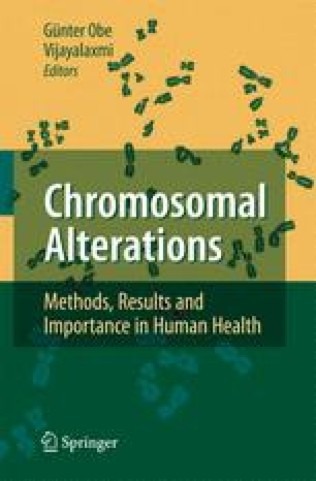
Cytogenetics is a very important research tool in basic and applied research. The uses of cytogenetics in human-population monitoring, in biological dosimetry in radiation accidents and in astronauts and as a predictive measure of cancer are topics discussed in this book. The book will help the reader to better understand cytogenetics and the intricacies of the methodology. The different methods of fluorescence in situ hybridization are discussed and the results achieved are presented. The book provides a comprehensive review of basic and applied aspects of cytogenetics and therefore will be of interest to all who are interested in chromosomes and their alterations by different types of mutagens, including chemical mutagens and ionizing and nonionizing radiation, with special reference to electromagnetic fields.
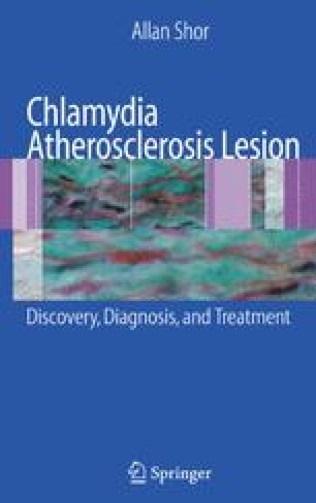
This book presents current understanding on the specific pathological features of the C. pneumoniae arterial lesion and the unique morphological features and life cycle of C. pneumoniae in atheromatous arteries. It is important for every medical practitioner to be aware of this disease. All internal medicine physicians, intensivists, family medicine practitioners, infectious disease and immunology physicians should be aware of the impact of C. pneumoniae, the specific pathological features, and methods of diagnosing the lesion. This book presents a unique review of this important
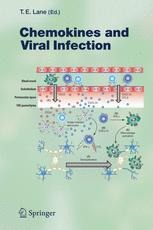
This edition of Current Topics in Microbiology and Immunology examines the role of chemokines and chemokine receptors in host defense and disease development following viral infection. Chemokines represent a family of over 40 small proteins that, for the most part, are secreted into the environment and function by binding to G protein-coupled receptors (GPCRs) that are expressed on numerous different cell types. When initially identified close to 30 years ago, these molecules were associated with various human inflammatory diseases and it was recognized that expression may be integral in leukocyte recruitment to inflamed tissue. There are now four sub-families of chemokines identified based on defined structural criteria relating to the positional location of conserved cysteine residues within the amino-terminus of the protein. Chemokines are now recognized as important in numerous biological processes ranging from maintaining the organizational integrity of secondary lymphoid tissue to participating in various aspects of both innate and adaptive immune responses following microbial infection. With this in mind, this book highlights the functional roles of chemokines and their receptors in participating in various aspects of the immune response against well-known viral pathogens.
Chemokines play an important role in recruiting inflammatory cells into tissues in response to infection and inflammation. They also play an important role in coordinating the movement of T-cells, B-cells and dentritic cells, necessary to generate an immune response (response to injury, allergens, antigens, invading microorganisms). They selectively attract leukocytes to inflammatory foci, inducing both cell migration and activation. They are involved in various diseases, like atherosclerosis, lung and skin inflammation, multiple sclerosis, or HIV. Volume 2 of this two-volume set discusses the pathophysiology of chemokines. It is divided into two parts: a) chemokines in animal disease models, and b) chemokines as drug targets. Together with volume 1, which discusses the immunobiology of chemokines, both volumes give a comprehensive overview of chemokine biology.
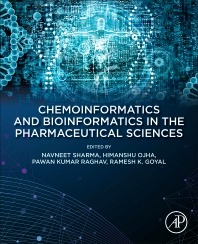
Chemoinformatics and Bioinformatics in the Pharmaceutical Sciences brings together two very important fields in pharmaceutical sciences that have been mostly seen as diverging from each other: chemoinformatics and bioinformatics. As developing drugs is an expensive and lengthy process, technology can improve the cost, efficiency and speed at which new drugs can be discovered and tested. This book presents some of the growing advancements of technology in the field of drug development and how the computational approaches explained here can reduce the financial and experimental burden of the drug discovery process.
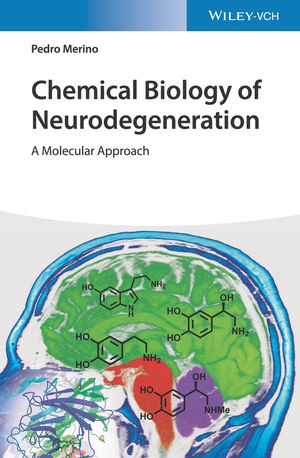
This book focuses on the main actors involved in neurodegenerative disorders at a molecular level, and places special emphasis on structural aspects and modes of action. Drawing on recent data on enzyme structure, mode of action, and inhibitor design, it describes?from a biochemical point of view?the six most important neurotransmitter systems and their constituent enzymes and receptors. Misfolding and aggregation of proteins within the brain is also covered.

Coastal ecosystems make up some of the most important, yet most endangered, regions in the world. The protection of the unique processes that take place in these ecosystems requires that partnerships be formed among ecologists, resource managers, and planners. Experienced in the challenges of coastal system analysis, the contributors to this book provide multidisciplinary guidance on the assessment and management of environmental impacts caused by development. Each chapter examines an issue important to these fragile ecosystems, first presenting a non-technical summary of the issue and a review of the current state of the knowledge, then following with data and a more detailed consideration of the topic.
Cephalopods are diverse, highly developed molluscs capable of swimming and jet propulsion. These animals are an important component of present-day marine ecos- tems throughout the world and comprise approximately 900 species. They also have an extraordinary fossil record, extending back to the Cambrian Period, with as many as 10,000 extinct species. Throughout their long history, they have experienced sp- tacular radiations and near-total extinctions. Because of their superb fossil record, they also serve as ideal index fossils to subdivide geologic time. This book touches on many of these themes, and it treats both fossil and present-day cephalopods.
Although inflammatory disease of the vascular bed of the lung is a major cause of morbidity and mortality in both adult and pediatric age groups, the importance of vascular biology to its understanding, and in developing novel therapeutics, has been overlooked. In Cell Signaling in Vascular Inflammation, leading basic and clinical researchers review the signal transduction mechanisms responsible for lung inflammation, including vascular hyperpermeability, white cell accumulation, and vascular remodeling. The authors cut across disciplines to bring together a broad-based presentation of inflammatory challenge, both in the initial phases of the inflammatory response, as well as in the more prolonged phase of genomic involvement.
The present book provides a comprehensive overview of our current knowledge on plastid biogenesis, plastid-nuclear communication, the regulation of plastid gene expression at all levels, and also assesses the state of the art in key technologies, such as proteomics and chloroplast transformation. Written by recognized experts in the field, it covers plastid differentiation and division, genome structure and function, plastid inheritance, recombination, DNA replication and repair, transcription, RNA processing and translation as well as crucial posttranslational processes in plastid biogenesis and function, including protein processing, the assembly of multiprotein complexes, protein stability and degradation, protein import and sorting.
Catheter ablation of cardiac arrhythmias is an important field of interventional cardiology. This comprehensive overview is a practical guide for exact diagnosis of cardiac arrhythmias, mapping of cardiac arrhythmias with newest 3D technology and catheter ablation of various arrhythmias from WPW syndrome to atrial fibrillation.
Asymmetric organometallic and organocatalytic processes have attracted great interest. Asymmetric synthesis using both natural and unnatural amino acids has been tremendously important from synthetic as well as industrial viewpoints, and numerous new methodologies have been developed in the last decades. Herein we provide an overview of old and very recent (since 1900 till now) advances and applications in the area of heterogeneous catalysis, homogeneous catalysis, electrocatalysis, photocatalysis, organocatalysis, thermal catalysis using amino acids [proline, glycine, alanine, valine, serine, threonine, cysteine, methionine, asparagine, glutamine, lysine, arginine, histidine, aspartate, glutamate, phenylalanine, and tryptophan], (supported or unsupported), an amino acid containing materials or amino acids derivatives as an essential component of catalysts, this book highlights the most important and recent developments to immobilize or support amino acids on various support materials. This book is suitable as supplementary reading for courses targeting the design, synthesis, and application of chiral catalysts, asymmetric catalysis, and sustainable production.
Cardiovascular Magnetic Resonance Imaging (CMR) is a rapidly evolving tool for cardiovascular diagnosis, and is becoming increasingly important in guiding cardiovascular interventions. Cardiovascular Magnetic Resonance Imaging presents a state-of-the-art compilation of expert contributions to the field.
Cardiac rehabilitation can be extremely complex art. In Cardiac Rehabilitation, expert authors provide state-of-the-art information that serves as a manual to the multidisciplinary nature of cardiac rehabilitation in the current era, the current state of cardiac rehabilitation, and the issues facing current CR programs. Covering the major components of a CR program, including medical therapy, exercise, nutrition, and behavioral therapy, from referral to testing to individualizing the program for the participants, the volume is a thorough, vital guide to this important field.
Medical information science requires analytic tools. This is achieved by developing and assessing methods and systems for the acquisition, processing, and interpretation of patient data, aided by scientific discovery. Cancer Informatics in Post-Genomic Era provides both the necessary methodology and practical information tools.Key challenges include integrating research and clinical care, sharing data, and establishing partnerships within and across sectors of patient diagnosis and treatment.Addressing important clinical questions in cancer research will benefit from expanding computational biology.
Testicular cancer has benefited from important therapeutic advances radically transforming its prognosis. Recent protocols have led to the development of treatments that maintain therapeutic efficacy while favoring quality of life and minimizing the sequelae (such as fertility disorders) in these often young men. This book discusses the various technical advances both in the field of diagnosis - with the contribution of modern imaging and anatomopathology - and therapy. The place of chemotherapy as well as that of surgery are largely detailed, thus placing the urologist at the heart of the multidisciplinary team taking care of these patients. Quality of life is also discussed by taking into account the impact of the treatment of these tumors on the fertility of these young patients.
Description and analysis of recent developments and current trends in health policy with regard to cancer drug safety. Opens with an overview of pharmacovigilance for cancer blockbuster drugs, covering both general considerations and efforts to develop a structured framework for the identification and reporting of adverse drug reactions (ADRs). A number of important examples of serious ADRs to hematology and oncology drugs are then reviewed, with evaluation of the lessons learned and the policy implications of the ensuing legal cases and their settlements. Further, the difficulty of reporting such blockbuster side effects in the medical literature is explored in an empirical study. Significant advances have been achieved in analytic methods for the identification of ADRs, and here there is a particular focus on the value of optimal discriminant analysis. Finally, the impacts on pharmacovigilance and drug safety of the huge fines paid under the U.S. False Claims Act relating to the defrauding of governmental programs also receive careful attention – these fines are playing an important role in changing the landscape for pharmaceutical safety.
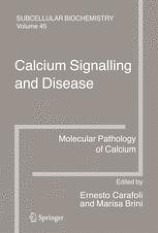
This topic is a new entry in the area of cellular calcium signaling: yet, it now spans the entire area, with discoveries that cover both genetic and acquired pathologies, even offering glimpses in the direction of therapy.Cellular calcium homeostasis, and thus calcium signalling, is mainly regulated by membrane intrinsic proteins and calcium sensor proteins. Both classes may be involved in pathological processes that affect both human and animals, ranging from common and important diseases (e.g. migraine, diabetes, epilepsia, manic depression, infertility, various types of cancer, Alzheimer’s disease, muscular dystrophy) to rare genetic conditions (e.g., a number of genetic heart conditions, autoimmune retinopathies, night blindness, hereditary amyloid polyneuropathy, malignant hyperthermia, cerebellar ataxia, atherothrombotic disease).

This book comes after several decades of outstanding and successful research that has helped ameliorate some of the most important and controversial fisheries issues in the world – those associated with the unwanted wastage of fish from by-catch and discarding. The 8 chapters encompass contributions from 27 of the world’s leading experts in by-catch reduction. They take the reader through most aspects of the field at a variety of scales and viewpoints. They examine the methodologies used to develop by-catch reduction techniques and provide new avenues for assisting and broadening such work. Case studies are provided that encompass most of the world’s fishing techniques and regions.

There are several crucial feedbacks from forests to the climate system. The mechanisms for those feedbacks are elaborated in the book: they involve changes in the carbon cycle, albedo, N2O emissions and the production of aerosols. Much of this work is new and the feedback relationships have not yet been incorporated into models of the climate system. The book will be an important introduction for students and climate modellers alike, providing conceptual tools and ideas that are broadly applicable to terrestrial systems.

سوريا - اتستراد درعا - غباغب
+963-15 2050 - 15 860 380 /1/2/3 - 11 662 3900