



الصفحة 2
الصفحة 2

Interface Oral Health Science 2007 ; Proceedings of the 2nd International Symposium for Interface Oral Health Science, Held in Sendai, Japan, Between 18 and 19 February, 2007
Interface Oral Health Science is a major theme for next-generation dental research. That theme is based on the innovative concept that healthy oral function is provided by biological and biomechanical harmony among three systems: oral tissues including the teeth, mucosa, bones, and muscles (host); parasitic microorganisms of the oral cavity (parasites); and biomaterials. The concept posits that oral diseases such as dental caries, periodontal disease, and tempo- mandibular disorders should be interpreted as interface diseases that result from disruption of the intact interfaces among these systems. The uniqueness of this concept rests on the fact that it not only encompasses the entire fi eld of dentistry and dental care, but also expands the common ground shared with many other fields, including medicine, pharmaceutical science, agriculture, material science, and engineering.

Innate Immunity of Plants, Animals, and Humans
This book wants to give an overview of our current knowledge about the innate immune system of plants, animals and humans. It not only covers the innate immune mechanisms and responses of so diverse organisms such as plants, Cnidaria, Drosophila, urochordates and zebrafish, but also the major receptor systems in mammalians and humans as well as the central defense mechanisms, antimicrobial peptides and the complement system.

Human microbiome : Clinical implications and therapeutic interventions
The human microbiome refers to the complete microorganisms inhabiting the human body sites including skin, ear, nose, oral cavity, the genital, gastrointestinal and respiratory tracts, and body fluids such as breast milk, saliva, and urine. It is a significant and essential organ recognized for the body and has an established involvement in the host wellbeing, in terms of nutritional requirements and immunomodulation. Talks about how alteration and imbalance in the same can have clinical implications associated with a multitude of gastrointestinal, lifestyle-associated, and neurodegenerative disorders. How the proliferation of specific groups of bacteria and their metabolic activities, as a result of intestinal dysbiosis leads to the 'leaky gut' condition thereby influences brain activity via the bidirectional gut-brain axis. It also coves the importance of microbial seeding and how it can be influenced by the mode of delivery, nutrition, and medication. This book also provides various therapeutic interventions such as the establishment of stool banks and Faecal microbiota transplantation (FMT) that have recently proved promising in the treatment of ASD, Inflammatory Bowel Disease, and Ulcerative Colitis. This book provides a deeper understanding of the development of the human gut microbiome and the factors driving its dysbiosis. This book is a valuable read for health professionals, medical students, nutritionists, and scientific research communities who are eager to update themselves with recent trends in microbiome research. It will also aid gastroenterologists and nutritionists to make well-informed choices regarding therapeutic regimes.

Genomic intelligence : Metagenomics and artificial intelligence
The field of metagenomics has revolutionized our comprehension of microbial diversity and function across various habitats, from the human body to terrestrial and aquatic environments. Simultaneously, advancements in AI have empowered researchers to analyze vast troves of genomic data with unprecedented speed and precision, facilitating new insights into the complex interplay between microorganisms and their surroundings. Provides an overview of metagenomics and discusses the combination of metagenomics and AI and its significant consequences for advancements in science. The chapters examine the approaches, difficulties, and revolutionary uses of AI in metagenomics and provide insight into the convergence of genomics, metagenomics, and AI’s potential to revolutionize diverse fields from healthcare to environmental.

Genome integrity : Facets and perspectives
The volume begins with DNA replication and continues with replicative DNA repair and pleiotropic protein interactions. Examples of human diseases are included and the cellular responses to radiation and genotoxic stress affecting whole genomes are reviewed.

Genetics and regulation of nitrogen fixation in free-Living bacteria
This book is the second volume of a seven-volume series, which covers all fields of research related to nitrogen fixation - from basic studies through applied aspects to environmental impacts. Volume II provides a comprehensive and detailed source of information concerning the genetics and regulation of biological nitrogen fixation in free-living prokaryotes.

Fundamentals of Food Process Engineering
While continuing the tradition of expansive coverage, Fundamentals of Food Process Engineering, Third Edition, has been fully updated and revised. The new edition of this classic text emphasizes problem solving, including technological principles that form the basis for a process so that the process can be better understood and the selection of processing parameters to maximize product quality and safety can be made more effective. In addition, the book contains new, hard-to-find data needed to conduct food process engineering calculations.
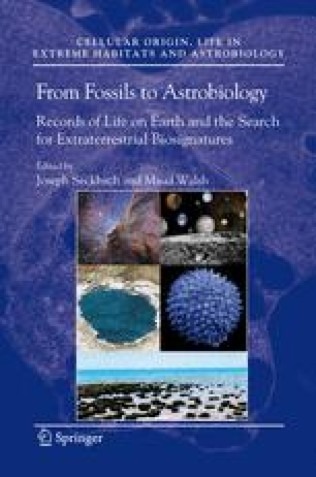
From Fossils to Astrobiology : Records of Life on Earth and Search for Extraterrestrial Biosignatures
From Fossils to Astrobiology reviews developments in paleontology and geobiology that relate to the rapidly-developing field of Astrobiology, the study of life in the Universe. Many traditional areas of scientific study, including astronomy, chemistry and planetary science, contribute to Astrobiology, but the study of the record of life on planet Earth is critical in guiding investigations in the rest of the cosmos. In this varied book, expert scientists from 15 countries present peer-reviewed, stimulating reviews of paleontological and astrobiological studies. The overviews of established and emerging techniques for studying modern and ancient microorganisms on Earth and beyond, will be valuable guides to evaluating biosignatures which could be found in the extraterrestrial surface or subsurface within the Solar System and beyond.

Food Safety : A Practical and Case Study Approach
The ISEKI-Food book series is a collection where various aspects of food safety and environmental issues are introduced and reviewed by scientists specializing in the field. In all of the books special emphasis is placed on including case studies applicable to each specific topic. The books are intended for graduate students and senior level undergraduate students as well as professionals and researchers interested in food safety and environmental issues applicable to food safety."ISEKI-Food" is an acronym for "Integrating Safety and Environmental Knowledge Into Food Studies".

Food preservation and safety of natural products
Food Preservation and Safety of Natural Products addresses the most common causes of food spoilage that create significant loss to global food production while also discussing how food serves as a vehicle for the transmission of pathogenic microorganisms responsible for mild to debilitating health conditions in humans. The book provides essential information for food safety professionals on issues relating to foodborne diseases and offers potential solutions by presenting various methods of incorporating natural products in food production to prevent the spread of foodborne pathogenic organisms. The demand for green consumerism and consumers general distaste for synthetic food additives poses a serious challenge to food safety and preservation. Natural products are used as green and sustainable source of bioactive compounds that can be applied in various fields including food. The use of plant and other natural products in food preservation is on the rise, hence this book reviews microbial mediated food spoilage, foodborne pathogens and food contamination and offers applications of natural products in food preservation.

Food bites : The science of the foods we eat
Food Bites is an easy-to-read, often humorous book on the scientific basis of the foods we eat, and answers those pesky, niggling questions such as: Is the quality of beer really affected by the type of water used? and Processed foods: good or bad? Readers will be captivated by this superbly written book, especially so as their guides are Professor Richard Hartel, professor of Food Engineering at UW-Madison, along with his daughter, AnnaKate Hartel. Professor Hartel has for the last four years penned a witty and illuminating column on all aspects of food science for the Capital Times of Madison, and his weekly wisdom has now been collected into a single publication.

Extracting Methods of Essential laurel oil and Fixed oil, Their effects on bacteria
Laurus nobilis is an evergreen plant belonging to the Lauraceae family, native to Southern Europe and the Mediterranean area. This is the report on the composition and bioactivity of laurel essential oil (EO) from leaves and extraction essential oil by two solvents (water and ethanol 69%) using by two devices (Clevenger and evaporator) then we apply the effect of oil and extract on the bacteria. there are some differences between the extraction by water and ethanol . The antibacterial properties of laurel EOs were examined according to the agar well diffusion method The leaf EO showed antibacterial activities against almost all strains of the microorganisms tested, whereas the twig EO was only able to inhibit Staphylococcus aurous and Escherichia coli were the bacterial strains that showed the highest resistance to the laurel EO. The results can benefit the EO industry and bio pesticide development.

Evolution from Cellular to Social Scales
Evolution is a critical challenge for many areas of science, technology and development of society. The book reviews general evolutionary facts such as origin of life and evolution of the genome and clues to evolution through simple systems. Emerging areas of science such as "systems biology" and "bio-complexity" are founded on the idea that phenomena need to be understood in the context of highly interactive processes operating at different levels and on different scales. This is where physics meets complexity in nature, and where we must begin to learn about complexity if we are to understand it. Similarly, there is an increasingly urgent need to understand and predict the evolutionary behavior of highly interacting man-made systems, in areas such as communications and transport, which permeate the modern world. The same applies to the evolution of human networks such as social, political and financial systems, where technology has tended to vastly increase both the complexity and speed of interaction, which is sometimes effectively instantaneous.

Environmental and Microbial Relationships
After the publication of Volume IV in 1997, the introduction of molecular methods into ecology led to significant new findings. Emphasizing these advances, the chapters for the second edition have been completely updated and revised. This volume provides insight into current research on fungal populations and communities. It focuses on fungal responses to the physical environment, interactions with other fungi, microorganisms and invertebrates, the role of fungi in ecosystem processes such as decomposition and nutrient cycling, and aspects of biogeography and conservation. Several chapters deal with various applications in, e.g. biological pest control, natural products discovery, and the degradation of toxic organic compounds. This is an invaluable source of information both for scientists who wish to update their knowledge of current progress and for graduate students interested in obtaining a first overview of this field of research.

Endophytic microbes: Isolation, identification, and bioactive potentials
Provides basic insight and protocols relating to endophytic microbes. Chapter are divided into five major sections detailing basic isolation, bioactive metabolites production. endophytism, isolation and identification of endophytes, bioactive potentials, and screening of metabolites.

Ecological Effects of Water-Level Fluctuations in Lakes
It presents selected papers on the ecological effects of WLF in lakes, resulting from a workshop at the University of Konstanz in winter 2005. Issues addressed here include the extent of WLF, and analyses of their effects on different groups of biota from microorganisms to vertebrates. Applied issues include recommendations for the hydrological management of regulated lakes to reduce negative impacts, and a conceptual framework is delivered by an extension of the floodpulse concept for lakes. Current impacts on water use, including increasing demands on drinking and irrigation water, hydropower etc., and climate change effects on WLF make this book an essential resource for aquatic ecologists, engineers, and decision-makers dealing with the management of lake ecosystems and their catchments.

Diagnosis of pathogenic microorganisms : Causing infectious diseases
Infectious diseases are caused by the pathogenic microbial organisms. These microbes can multiply and can cause an infection, once they enter the body. Infectious diseases are transmissible, and may cause mild to life-threatening illnesses. It can be airborne, waterborne, foodborne, and soilborne. It can be spread through direct contact (human to human, animal to human). It has also been one of the leading causes of human deaths. Therefore, there is a need to have rapid diagnostic methods to prevent and control these diseases. This book titled “Diagnosis of Pathogenic Microorganisms Causing Infectious Diseases” will help the scientific community to understand the transmission dynamics of some infectious diseases of public health importance.

Dental caries
Provides information on the etiology, prevention, and treatment of tooth decay. Chapters cover such topics as dental biofilms, dietary factors, the association of Candida with early colonization of cariogenic microorganisms, oral diseases, the use of fluoride, and dental caries in disabled children.

Current Topics in Innate Immunity
This volume represents a collection of topics on natural killer cells, mast cells, phagocytes, toll like receptors, complement, host defense in plants and invertebrates, evasion strategies of microorganisms, pathophysiology, protein structures, design of therapeutics, and experimental approaches discussed during the conference.

Combating Antibiotic Resistance : Report to the President and National Strategy
Antibiotics, in particular, have saved millions of lives. This book discusses combating antibiotic resistance and provides reports to the presidents and national strategies.
