



الصفحة 2
الصفحة 2

Emerging Technologies in Surgery
Tremendous acceleration and changes in scientific discovery and progress are presently occurring. These important emerging technologies that will affect the practicing surgeon within the next 10 to 20 years are illustrated in detail in this volume. Its purpose is not to review clinical experience of the common surgical practice of the past decade, but to outline and illustrate the future trends. International experts in this field demonstrate emerging procedures and significant advances.

Developmental Biology of Neoplastic Growth
In this book, tumour growth is perceived as a deviation from the normal development of the human organism. The molecular, cellular, and tissue determinants of different tumours are discussed showing that each is a different disease, often corresponding to a particular developmental stage. The natural history of several cancers illustrates how clinical incidence can be just the visible part of the iceberg, while the first changes at the tissue level sometimes occur several years before tumour growth becomes manifest.

Dental pulp derived mesenchymal stromal cells
Presents an evaluation of stem cells from human dental pulp as a reliable stem cell source for cell-based therapy to stimulate tissue regeneration. In this thoroughly updated and expanded second edition, the author covers mesenchymal stem cell (MSC) biology, various sources of MSCs, and the therapeutic potential of MSCs. Tooth regeneration, dental pulp-derived MSC, and the therapeutic potential of dental pulp derived stem cells is also covered.

Cornea and external eye disease
Essentials in Ophthalmology is a new review series covering all of ophthalmology categorized in eight subspecialties. It will be published quarterly, thus each subspecialty will be reviewed biannually.

Clinical Approaches in Endodontic Regeneration : Current and Emerging Therapeutic Perspectives
This book combines explanation of the scientific base underpinning vital pulp treatment with description of current and emerging trends in clinical practice. It guides the reader through modern views on pulp diagnostics, deep caries, and pulp exposure management, leading to an analysis of the biological aspects of regenerative techniques such as angiogenesis, neurogenesis, inflammation, and epigenetics.
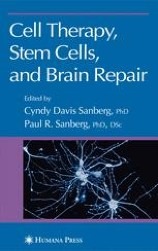
Cell Therapy, Stem Cells and Brain Repair
As our world continues to evolve, the field of regenerative medicine f- lows suit. Although many modern day therapies focus on synthetic and na- ral medicinal treatments for brain repair, many of these treatments and prescriptions lack adequate results or only have the ability to slow the p- gression of neurological disease or injury. Cell therapy, however, remains the most compelling treatment for neurodegenerative diseases, disorders, and injuries, including Parkinson’s disease, Huntington’s disease, traumatic brain injury, and stroke, which is expanded upon in more detail in Chapter 1 by Snyder and colleagues. Cell therapy is also unique in that it is the only therapeutic strategy that strives to replace lost, damaged, or dysfunctional cells with healthy ones.

Cell therapy stem cells and regenerative medicine
Provides an overview of cell-based therapy for human diseases including the definition, history, and clinical applications of human stem cells and their use in regenerative medicine. It covers human pluripotent stem cells (human embryonic stem cells and human induced pluripotent stem cells), mesenchymal stem/stromal cells, and hematopoietic stem cells, bone marrow mononuclear cells. In terms of clinical applications, this book also provides an update on recent human trials using these cells to treat various diseases, including neurological disorders, pulmonary dysfunctions, metabolic/endocrine-related diseases, frailty, and cancer treatment. In addition, it discusses the authors’ clinical trial experiences related to these conditions in a clinical setting to provide additional insight into regenerative medicine, especially cell-based therapy.
Cardiovascular research : New technologies, methods, and applications
Cardiovascular Research: New Technologies, Methods & Applications serves as an essential reference material offering a complete overview of innovative new technologies, methods, and applications in current cardiovascular research. Cardiovascular Research: New Technologies, Methods & Applications presents a methods and applications approach to cardiovascular research written by prominent international researchers presenting commissioned summaries of cutting edge research.
Cancer vaccination and challenges Vol.1 : strategies for therapeutic cancer vaccine development
Deals with different strategies of cancer vaccine development, focusing on techniques for the development of therapeutic cancer vaccines and the roles of tumor antigens, proteins/peptides, microbial genes, and stem cells for the development of vaccines for cancer management.
Cancer Stem Cells : Novel Concepts and Prospects for Tumor Therapy
This book describes the recent developments in the emerging field of cancer stem cells. Their possible impact for the identification of novel treatment paradigms for cancer are discussed. The book will mainly be of interest to scientists and clinicians involved in cancer research, or to students wishing to enter into this area.

Bone Marrow Derived Progenitors
The ability of stem cells to acquire different desired phenotypes has opened the door for a new discipline: regenerative medicine. Much of the interest for this purpose is generated by embryonic stem cells, but their use is still controversial for moral reasons as well as scientifically. Less controversial and readily available are the adult bone marrow-derived progenitors including hematopoietic stem cells, endothelial progenitors and mesenchymal stem cells. The ambitious goal of this volume is to provide a comprehensive overview of the currently available information related to the therapeutic utility of adult bone marrow-derived cells. Each chapter has been written by an accomplished expert in the field, making this a hugely valuable resource for anyone looking for an up-to-the-minute assessment of current practice in adult bone marrow-derived cell therapy.

Biopharmaceutical drug design and development
Biopharmaceutical Drug Design and Development, Second Edition, updates the widely successful first edition, published in 1999. This new, expanded edition investigates the dozens of new biopharmaceutical drugs that have become available since the publication of the first edition. Among the drugs discussed are ones in the categories of monoclonal antibodies for in-vivo use, cytokines, growth factors, enzymes, immunomodulators, thrombolytics, and immonotherapies including vaccines. Additionally, the volume examines new and emerging technologies, such as bioinformatics, DNA microarrays, transgenics, therapeutic gene delivery, stem cells, nucleic acid-based therapeutics, and macromolecular drug delivery. Authors also study pharmacogenetics in the clinic and changes in biologic drug approval at the FDA. Biopharmaceutical Drug Design and Development, Second Edition, is a worthy sequel in the discussion on the dynamic, exciting field of biotechnology.
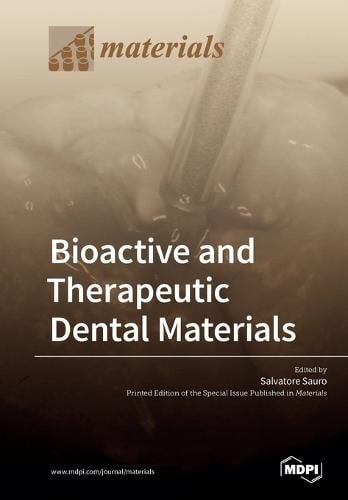
Bioactive and therapeutic dental materials
Special attention has been given to bioactive materials developed to induce cells differentiation/stimulation, hard tissue formation and exert antimicrobial actions. New innovations are necessary to continue to help reinforcing existing technologies and to introduce new paradigms for treating dental disease and restoring teeth seriously compromised by caries lesions via biomimetic and more biological operative approaches. Dental bioactive materials is arguably the latest research area in dentistry and thus the amount of new research is overwhelming. However, in this day and age of evidence based practice it important for this new information to be distilled into a practical and understandable format.
Asymmetric Cell Division
Cell biologists have recently become aware that the asymmetry of cell division is an important regulatory phenomenon in the fate of a cell. During development, cell diversity originates through asymmetry; in the adult organism asymmetric divisions regulate the stem cell reservoir and are a source of the drift that contributes to the aging of organisms with renewable cell compartments. Because of the concept of semi-conservative DNA synthesis, it was thought that the distribution of DNA between daughter cells was symmetric. The analysis of the phenomenon in cells during mitosis, however, revealed the asymmetry in the distribution of the genetic material that creates the drift contributing to aging of mammals. On the other hand, cancer cells can originate from a deregulation of asymmetry during mitosis in particular during stem cell expansion. The book describes the phenomenon in different organisms from plants to animals and addresses its implications for the development of the organism, cell differentiation, human aging and the biology of cancers.

Alzheimer’s and new horizon
Alzheimer's disease (AD) is characterized by progressive loss of memory and other cognitive functions. This study aims to discuss Alzheimer's disease (AD) and its increasing incidence and related huge fund to take care of such patients and will understand the pathophysiology in order to successfully fight this enigmatic illness and the goal of is the treatment for individuals with AD. Our study will also focus on the mutualistic relationship between AD and SARS- COV-2 infection and its correlation with cancer will be also discussed...

Aesthetic Facial Surgery
Rhytidoplasty is a palliative procedure in which face wrinkles are surgically removed to promote a more youthful appearance.The first sections focus on the surgical planning, including psychological considerations, preparation of the patient and anatomical and biochemical changes caused by the aging process. It also describes the surgical anatomy of the forehead, face, neck and eyelids. The third section provides a comprehensive overview of the basic techniques of facelift with details of refined surgical approaches for each segment of the face and neck. It highlights liposuction techniques, lipoinjection as well as transference of stem cells, showing their importance in reshaping the facial contours. It addresses both the treatment of soft tissue and craniofacial bone structures to improve the aesthetics of the face. The next sections present the final scars after face-lifting, minimally invasive procedures as complementary approaches during rhytidoplasty and the associated procedures during rhytidoplasty. The last section discusses postoperative care.

Adult stem cells : Methods and protocols
Expands on the previous edition with updated chapters covering a broader range of tissues and techniques pertaining to stem cell technologies. The chapters also cover topics such as the generation of iPSC-derived cells unique to the individual human genome addressing the possibility of more personalized clinical applications to an individual with a specific degenerative disease; and the use of nanoparticles such as 3D scaffolds and biomaterials as a means of improving stem cell viability after transplantation in the host tissue. Written in the highly successful Methods in Molecular Biology series format, chapters include introductions to their respective topics, lists of the necessary materials and reagents, step-by-step, readily reproducible laboratory protocols, and tips on troubleshooting and avoiding known pitfalls.
Adipose-derived stem cells : Methods and protocols
Discusses of the latest technology and advancements in the field of human-derived ASC and SVF. The chapters in this book are organized into four parts. Part One focuses on human ASC’s isolation, characterization, and differentiation. Part Two describes the isolation and characterization of ASC and SVF from canine, feline, and murine tissues. Part Three looks at hydrogels, scaffolds, and microphysiological systems, and Part Four talks about the new assays and applications using ASC. Written in the highly successful Methods in Molecular Biology series format, chapters include introductions to their respective topics, lists of the necessary materials and reagents, step-by-step, readily reproducible laboratory protocols, and tips on troubleshooting and avoiding known pitfalls.
