



الصفحة 2
الصفحة 2

Hormonal control of cell cycle
This volume reflects the proceedings of an International Workshop held in Paris in December 2006. The aim of the meeting was to undertake a high level of scholarly exchange between experts in cell biology, oncology and endocrinology interested in cell cycle control. The topics covered ranged from fundamental studies of DNA replication,chromosomal and nuclear function through growth factor control of endocrine tumor initiation and progression.

GPCRs as Therapeutic Targets ; 2-Vol. Set
Delivers an authoritative and in-depth compendium of a vibrant and active area of academic and industrial drug discovery. The book serves as an important reference for new and experienced researchers studying G protein-coupled receptors and discusses the molecular pharmacology of this important target class. It also includes up-to-date material on GPCR structures and structure-based drug design.

Glutamate Receptors in Peripheral Tissue : Excitatory Transmission Outside the CNS
The book is divided into three sections— Part I is on general concepts and concentrates on the distribution and cell-specific localiza tion of glutamate receptors, their transporters, and the pharmacology in peripheral tissues and organs. Part II emphasizes the presence and implications of these receptors in specific target tissues, organs, and systems, including liver, lungs, endocrine tissues, bone, immune system, etc. Part III focuses on glutamate receptors in plants to illustrate their presence beyond the animal kingdom.

Gene Expression and Regulation
This book offers a comprehensive look into the science of gene expression and regulation. Focusing on topics such as actions of nuclear receptors, RNA processing, and DNA methylation and imprinting, Gene Expression and Regulation is edited by a leading biologist and includes contributions by experts in the field. Presented in the following five sections, this book covers a full spectrum of topics: The History; The Machinery; The Regulators; The Genome; and Special Topics. The Machinery section covers the transcriptional apparatus and general transcription factors. The Regulators section examines selected gene-specific transcription factors important to regulating gene expression. The Genome section covers issues relevant to the behavior of the genome in relation to gene regulation. The Special Topics section discusses several selected topics ranging from bacterial and plant gene expression to DNA topology and interference RNA. The book’s focus is on scientific concepts and issues, rather than specific organisms or experimental approaches.

From Innate Immunity to Immunological Memory
The ability to remember an antigenic encounter for several decades, even for a life time, is one of the fundamental properties of the immune system. This phenomenon known as "immunological memory", is the foundation upon which the concept if vaccination rests. Therefore, understanding the mechanisms by which immunological memory is regulated is of paramount importance. Recent advances in immunology, particularly in the field of innate immunity, suggest that the innate immune system plays fundamental roles in influencing immunological memory. Indeed, emerging evidence suggests that events that occur early, within hours if not minutes of pathogen or vaccine entry profoundly shape the quantity, quality and duration of immunological memory. The present volume assembles a collection of essays from leading experts that span the entire spectrum research from understanding the molecular mechanisms of innate immune recognition, to dendritic cell function, to the generation and maintenance of antigen-specific B and T-cell responses.

Environmental Health in Central and Eastern Europe
Complex chemical mixtures impact our health every day. In the United States, and also in Central and Eastern Europe, there are a number of locations where complex chemical mixtures have been released to environmental media. Although exposure to mixtures is common, minimal information exists to quantify these exposures, or to determine their impact on human or ecological receptors. These proceedings present some of the most current research conducted to quantify complex mixtures in the environment and investigate their potential impact on human health. Many of the manuscripts reported in these proceedings represent the most up-to-date measurements of population exposures in Central and Eastern Europe. These studies are of value to health and environmental professionals around the world as they develop strategies for assessing exposures, remediating contaminated environments, and improving public health.

Drug discovery and GBCR – Related CNS Disorders
Neurodegenerative diseases are a large group of neurological disorders with diverse etiological and pathological phenomena. However, current therapeutics rely mostly on symptomatic relief while failing to target the underlying disease pathobiology. G-protein-coupled receptors (GPCRs) are one of the most frequently targeted receptors for developing novel therapeutics for central nervous system (CNS) disorders. Many currently available antipsychotic therapeutics also act as either antagonists or agonists of different GPCRs. Therefore, GPCR-based drug development is spreading widely to regulate neurodegeneration and associated cognitive deficits through the modulation of canonical and noncanonical signals.

Diverse Roles of Integrin Receptors in Articular Cartilage
Recent studies from the authors' laboratory and from other leading groups have shown that ß1-integrins are essential for cell signalling and communication in chondrocytes. Furthermore, ß1-integrins function as mechanoreceptors in the chondrocyte mechanotransduction pathway. Their expression is therefore essential for maintaining the chondrocyte phenotype, preventing chondrocyte apoptosis and regulating chondrocyte-specific gene expression. This book volume summarizes the work that the authors have done on ß1-integrins over the last 18 years and focuses on the expression and regulation of these proteins in chondrocytes and their role in the context of the unique function of chondrocytes within articular cartilage.

Cytokines as Potential Therapeutic Targets for Inflammatory Skin Diseases
Cytokines and cytokine receptors remain an area of great interest for the development of targeted therapies for cutaneous inflammatory diseases.This book summarizes the findings of the 56th International Workshop of the Ernst Schering Research Foundation that focused on "Cytokines as Potential Therapeutic Targets for Inflammatory Skin Diseases".

Current Topics in Innate Immunity
This volume represents a collection of topics on natural killer cells, mast cells, phagocytes, toll like receptors, complement, host defense in plants and invertebrates, evasion strategies of microorganisms, pathophysiology, protein structures, design of therapeutics, and experimental approaches discussed during the conference.

Coronaviruses : Methods and Protocols
Aims to describe a variety of techniques that reflects the wide range of research currently performed in the field of coronavirology, and begins with an overview of current understandings of coronavirus replication and pathogenesis to introduce specialists and non-specialists to the field. The rest of the book is divided into several sections of chapters beginning with those that describe identification, diagnosis, and study of the evolution of coronaviruses. The next few chapters discuss the preparation of cells and organ cultures useful in propagating coronaviruses and titration techniques, as well as techniques for analyzing virus functions that require purification of the viruses. The next chapters describe two commonly used reverse genetics techniques for coronaviruses, and techniques detailing identification of cellular receptors, binding profiles of viral attachment proteins, and virus-cell fusion. The final chapters cover a broad spectrum of techniques to identify virus-host protein-protein interactions, confirm the functional role of these proteins in virus replication, study host cell responses through genome-wide or pathway-specific approaches, and visualize virus replication complexes. Written in the highly successful Methods in Molecular Biology series format, the chapters include the kind of detailed description and implementation advice that is crucial for getting optimal results in the laboratory.

Computing Characterizations of Drugs for Ion Channels and Receptors Using Markov Models
Flow of ions through voltage gated channels can be represented theoretically using stochastic differential equations where the gating mechanism is represented by a Markov model. The flow through a channel can be manipulated using various drugs, and the effect of a given drug can be reflected by changing the Markov model. These lecture notes provide an accessible introduction to the mathematical methods needed to deal with these models. They emphasize the use of numerical methods and provide sufficient details for the reader to implement the models and thereby study the effect of various drugs. Examples in the text include stochastic calcium release from internal storage systems in cells, as well as stochastic models of the transmembrane potential. Well known Markov models are studied and a systematic approach to including the effect of mutations is presented.

Lymphocyte Trafficking in Health and Disease
Since the discovery of chemokines and of chemokine receptors it has become evident that expression of chemokines at the site of inflammation may regulate the composition of cellular infiltrate, thereby directing the type of immune response. Recently, the molecular characterization of inherited disorders of immune system, (e.g., Wiskott-Aldrich syndrome, WHIM syndrome, leukocyte adhesion deficiency), which are characterized by cytoskeleton/adhesion defects or by altered response of chemokine receptors has contributed to clarifying the key players of immune response in normal physiology and in disease. This book, which deals with the description of the role of chemokines in immune response and underlines potential targets of therapeutical intervention, offers a series of contributions of the most challenging aspects of lymphocyte migration in homeostasis and in disease.
Lymphocyte Signal Transduction
Signal transduction through leukocyte receptors involves a variety of signaling molecules including kinases, phosphatases, adaptor proteins, small GTPases GTP exchange factors, membrane phospholipids as well as others. These signal transducers, regulated by inter- and intra-molecular interactions, as well as by various post-translational modifications, lead to the activation of transcription factors that mediate cellular differentiation and growth, effector cell functions, and apoptotic cell death. Several investigators from various parts of the world convened at the 3rd Lymphocyte Signal Transduction Workshop in Crete, Greece from May 27 to June 1, 2005 to discuss their most recent findings in leukocyte signaling. This volume represents a collection of topics discussed during the conference.

Light Sensing in Plants
Presents overviews of and the latest findings in many of the interconnected aspects of plant photomorphogenesis, including photoreceptors (phytochromes, cryptochromes, and phototropins), signal transduction, photoperiodism, and circadian rhythms, in 42 chapters. Also included, is a prologue by Prof. Masaki Furuya that gives an overview of the historical background.

Leptin
The discovery of leptin little more than a decade ago, as a hormone produced in white adipose tissue with an important role in satiety and energy expenditure, was a seminal event in our understanding of adiposity. This initial advance in the new endocrinology of obesity was soon followed by the realization that leptin was not only produced in adipose tissue, but in many different tissues of the body, and that receptors were similarly distributed. Additionally, the early recognition of infertility that was associated with leptin deficiency prompted research that identified roles for the polypeptide in virtually every area of reproductive biology.
Communication in Plants : Neuronal Aspects of Plant Life
Plant neurobiology is a newly emerging field of plant sciences. It covers signalling and communication at all levels of biological organization – from molecules up to ecological communities. In this book, plants are presented as intelligent and social organisms with complex forms of communication and information processing. Authors from diverse backgrounds such as molecular and cellular biology, electrophysiology, as well as ecology treat the most important aspects of plant communication, including the plant immune system, abilities of plants to recognize self, signal transduction, receptors, plant neurotransmitters and plant neurophysiology. Further, plants are able to recognize the identity of herbivores and organize the defence responses accordingly. The similarities in animal and plant neuronal/immune systems are discussed too. All these hidden aspects of plant life and behaviour will stimulate further intense investigations in order to understand the communicative plants in their whole complexity.
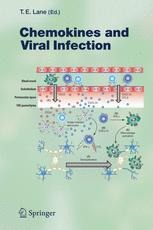
Chemokines and Viral Infection
This edition of Current Topics in Microbiology and Immunology examines the role of chemokines and chemokine receptors in host defense and disease development following viral infection. Chemokines represent a family of over 40 small proteins that, for the most part, are secreted into the environment and function by binding to G protein-coupled receptors (GPCRs) that are expressed on numerous different cell types. When initially identified close to 30 years ago, these molecules were associated with various human inflammatory diseases and it was recognized that expression may be integral in leukocyte recruitment to inflamed tissue. There are now four sub-families of chemokines identified based on defined structural criteria relating to the positional location of conserved cysteine residues within the amino-terminus of the protein. Chemokines are now recognized as important in numerous biological processes ranging from maintaining the organizational integrity of secondary lymphoid tissue to participating in various aspects of both innate and adaptive immune responses following microbial infection. With this in mind, this book highlights the functional roles of chemokines and their receptors in participating in various aspects of the immune response against well-known viral pathogens.
Chemokine biology : Basic research and clinical application ; Vol.1 : Immunobiology of chemokines
The discovery of interleukin-8 close to 20 years ago initiated a new field of research touching on many aspects of immunology and inflammation. Interleukin-8 is just one member of a large class of structurally related chemoattractant proteins, known as chemokines. Chemokines are involved in the traffic control of leukocytes, which bear the corresponding chemokine receptors on their surfaces. Today, it is clear that chemokines affect all aspects of immunology and even many unrelated fields, such as tissue development and tumor cell metastasis. Their fundamental contributions to chronic inflammatory diseases make them a principal target for the development of novel, anti-inflammatory therapeutics.
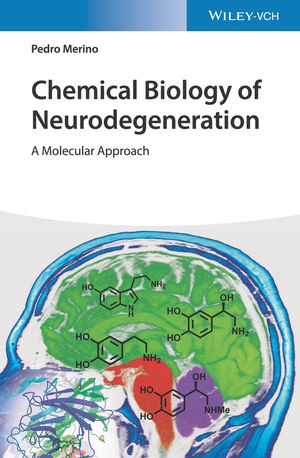
Chemical Biology of Neurodegeneration : A Molecular Approach
This book focuses on the main actors involved in neurodegenerative disorders at a molecular level, and places special emphasis on structural aspects and modes of action. Drawing on recent data on enzyme structure, mode of action, and inhibitor design, it describes?from a biochemical point of view?the six most important neurotransmitter systems and their constituent enzymes and receptors. Misfolding and aggregation of proteins within the brain is also covered.
