



الصفحة 2
الصفحة 2

Hyperlipidemia Management for Primary Care : An Evidence-Based Approach
Hyperlipidemia Management for Primary Care: An Evidence-Based Approach is a comprehensive resource for primary care providers that offers information and treatment options that can be incorporated with ease into everyday clinical practice. This evidence-based text weighs the benefits of pharmacologic treatments, popular diets, therapeutic foods, herbs and vitamins as a means to manage hyperlipidemia.

Human battle against obesity
Obesity is one of the most common preventable diseases and it is a medical condition in which excess fat has accumulated in the body, mostly in the subcutaneous tissues. Clinical obesity is considered to be present when a person has a body mass index of 30 or over. Obesity results from a chronic positive energy balance regulated by a complex interaction between endocrine tissues and the central nervous system, This activity reviews the pathophysiology of obesity, inflammatory markers secreted by excessive fat deposition in adipose tissue, and their effects on chronic diseases such as hypertension, diabetes, and dyslipidemia.

Hormones, metabolism and the benefits of exercise
The world is faced with an epidemic of metabolic diseases such as obesity and type 2 diabetes. This is due to changes in dietary habits and the decrease in physical activity. Exercise is usually part of the prescription, the first line of defense, to prevent or treat metabolic disorders. However, we are still learning how and why exercise provides metabolic benefits in human health. This open access volume focuses on the cellular and molecular pathways that link exercise, muscle biology, hormones and metabolism. This will include novel “myokines” that might act as new therapeutic agents in the future.

Herbals as nutraceuticals : Their role in healthcare
Herbal nutraceuticals demonstrate a variety of therapeutic benefits and have been found to prevent, treat, and even cure a range of diseases. This new book provides insight into nutraceuticals and their function in human health, highlighting their antimicrobial and immune-inflammatory properties. It describes the nutraceutical properties of various medicinal herbs and details the role of nutraceuticals in treating diseases such as Alzheimer's, Parkinson's, obesity, diabetes, cancer, cardiovascular diseases, skincare issues, and more.

Handbook of obesity prevention : A resource for health professionals
Comprehensive in scope and meticulously researched, Handbook of Obesity Prevention analyzes the intricate causes of this public health crisis, and sets out concrete, multilevel strategies for meeting it head-on. This innovative handbook starts by clearly defining obesity in clinical, epidemiologic, and financial terms. From there, expert contributors provide insights on current issues, methods, and controversies in the field, focusing on new opportunities for prevention, successful interventions and initiatives, and guidelines for planning and implementing programs and evaluating results. This systematic approach to large-scale social and policy change gives all parties involved—from individual practitioners to multinational corporations—the tools to set and attain realistic goals based on solid evidence and best practice in public health.

Handbook of nutrition and pregnancy
This book discusses relevant topics in the scientific community such as determining to what extent prenatal and perinatal environmental factors are linked to childhood and adult obesity and chronic diseases. This book also examines issues that are common to both the developed and the developing worlds and includes chapters that are specific to nutritional and reproductive factors seen mainly in developing countries. These chapters discuss contemporary issues that impact both the woman and the developing infant. Also covered in several chapters is a review of nutritional as well as physiological factors that either increase or decrease the potential for high risk pregnancies such as gestational diabetes mellitus, Type I and Type II diabetes mellitus, preeclampsia, anemia, and so forth.

Handbook of nutrition and ophthalmology
The Handbook of Nutrition in Ophthalmology is the first general text on nutrition and eye health created for physicians, nutritionists, and researchers. Dr. Richard D. Semba provides important links between the epidemic of obesity and implications it has for eye disease and blindness. The volume addresses three broad themes throughout. The first is that a healthy diet as a major lifelong habit will likely have an impact on reducing a substantial portion of visual impairment and blindness. The second is that a historical perspective is essential to understanding current challenges in ophthalmology, medicine, and public health. The third theme is that many nutrients play a role in oxidative stress and inflammation, and this theory has emerged as a major underlying hypothesis in the pathogenesis of eye diseases.

Handbook of Life Course Health Development
Synthesizes and analyzes the growing knowledge base on life course health development (LCHD) from the prenatal period through emerging adulthood, with implications for clinical practice and public health. It presents LCHD as an innovative field with a sound theoretical framework for understanding wellness and disease from a lifespan perspective, replacing previous medical, biopsychosocial, and early genomic models of health. Interdisciplinary chapters discuss major health concerns (diabetes, obesity), important less-studied conditions (hearing, kidney health), and large-scale issues (nutrition, adversity) from a lifespan viewpoint. In addition, chapters address methodological approaches and challenges by analyzing existing measures, studies, and surveys. The book concludes with the editors’ research agenda that proposes priorities for future LCHD research and its application to health care practice and health policy.

Handbook of healthcare in the Arab World
Examines health and medical care in the Arab world from a systems biology approach. It features comprehensive coverage that includes details of key social, environmental, and cultural determinants. In addition, the contributors also investigate the developed infrastructure that manages and delivers health care and medical solutions throughout the region. More than 25 sections consider all aspects of health, from cancer to hormone replacement therapy, from the use of medications to vitamin deficiency in emergency medical care. Chapters highlight essential areas in the wellbeing and care of this population. These topics include women’s health care, displaced and refugee women’s health needs, childhood health, social and environmental causes of disease, health systems and health management, and a wide range of diseases of various body systems. This resource also explores issues related to access and barriers to health delivery throughout the region.

Guyton and Hall textbook of medical physiology
Employs a distinctive format to ensure maximum learning and retention of complex concepts. A larger font size emphasizes core information, while supporting information, including clinical examples, are detailed in smaller font and highlighted in pale blue - making it easy to quickly skim the essential text or pursue more in-depth study. This two-tone approach, along with other outstanding features, makes this bestselling text a favorite of students worldwide. Offers a clinically oriented perspective written with the clinical and preclinical student in mind, bridging basic physiology with pathophysiology. Focuses on core material and how the body maintains homeostasis to remain healthy, emphasizing the important principles that will aid in later clinical decision making. Presents information in short chapters using a concise, readable voice that facilitates learning and retention. Contains more than 1,200 full-color drawings and diagrams - all carefully crafted to make physiology easier to understand. Features expanded clinical coverage including obesity, metabolic and cardiovascular disorders, Alzheimer's disease, and other degenerative diseases.

Food Anxiety in Globalising Vietnam
This book approaches the anxieties inherent in food consumption and production in Vietnam. The country’s rapid and recent economic integration into global agro-food systems and consumer markets spurred a new quality of food safety concerns, health issues and distrust in food distribution networks that have become increasingly obscured. This edited volume further puts the eating body centre stage by following how gendered body norms, food taboos, power structures and social differentiation shape people’s ambivalent relations with food. It uncovers Vietnam’s trajectories of agricultural modernisation against which consumers and producers manoeuvre amongst food self-sufficiency, security and abundance. It provides social science perspectives on anxieties related to food and surrounding discourses that travel between the local and the global, the individual and society and into the body. Therefore, the book’s lens of food anxiety matters for social theory and for understanding the embeddedness and discontinuities of food globalizations in Vietnam and beyond.

Food addiction
This approach acknowledges the apparent parallels between substance use disorders and overeating of highly palatable, high-caloric foods. Although this idea seems to be relatively new, research on food addiction actually encompasses several decades, a fact that often remains unrecognized. Scientific use of the term addiction in reference to chocolate even dates back to the 19th century. In the 20th century, food addiction research underwent several paradigm shifts, which include changing foci on anorexia nervosa, bulimia nervosa, obesity, or binge eating disorder. Thus, the purpose of this review is to describe the history and state of the art of food addiction research and to demonstrate its development and refinement of definitions and methodologies
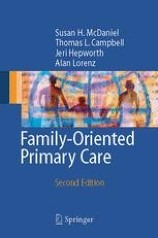
Family-Oriented Primary Care
I was a Medical Student in 1966 when the Millis Report on the training of the generalist physician was published,de?ning the concept of primary care. According to the Report, the primary provider has four major responsib- ities or roles. The ?rst role is that of initial contact care of the undiffer- tiated patient. The second is to provide comprehensive care based on the belief that the primary provider should be able to manage the overwhe- ing majority of problems with which patients present. Equally important is the third role—continuity and coordination of care within the health care system. Finally,the primary provider is responsible for demonstrating le- ership in the community. This Report’s description of a primary provider seems as relevant today as it was when it was written. In 1994,the Institute of Medicine’s assessment of primary care added the responsibility of family and community integration of care to the Millis Report description. Without question there are many challenges to a contemporary imp- mentation of this comprehensive description of primary care, beginning with the level of individual patients who so often suffer from complex pr- lems, such as mental disorders and obesity. Treating these conditions in a brief primary care visit is dif?cult. At the level of the larger system, re- bursement is often inadequate and can represent policies that are uns- portive of primary care, such as those that compromise payment for preventive services that help patients to quit smoking or lose weight.

Evidence-Based Endocrinology
Evidence-based medicine (EBM) stresses the use of evidence from clinical research as the basis for medical decision making, rather than simple reliance on unsystematic clinical experience and pathophysiological rationales. EBM has changed many aspects of medical practice for the better, but its incorporation into endocrine practice has been minimal.

Energy Metabolism and Obesity : Research and Clinical Applications
Elucidate the most important aspects of genetic background, neuropeptide secretion and action, neuronal pathways, adipokines, gut hormones, and environmental influences (physical activity, pharmacologic agents, and surgical alteration of the gastrointestinal tract), as well as the complex interactions among them.

Endoscopic Surgery in Infants and Children
This book represents the state of the art of endoscopic surgical techniques, which are thoroughly described and well illustrated with drawings and photographs.

Endocrinology : Basic and Clinical Principles
For this new edition of Conn & Melmed's Endocrinology: Basic and Clinical Principles, a panel of distinguished scientists and clinicians has completely rewritten every chapter to reflect the latest advances in our understanding of the endocrine system. Maintaining the original goal of the first edition to integrate the basic science of endocrinology with its physiological and clinical principles, the authors have succinctly summarized in 450 pages the latest findings on hormone secretion and hormone action, as well as all of the most recent insights into the physiology and pathophysiology of hormonal disorders. Coverage extends across the entire spectrum of endocrinology-from mammalian cells, plants, and insects to animal models and human diseases-with much increased coverage of diabetes and metabolism. Highlights include cutting-edge discussions of appetite disorders, obesity, reproductive failure, control of thyroid function, hormone action in humans and the lower species, and the mechanisms subserving hormone secretion.

Early Nutrition and its Later Consequences : New Opportunities; Perinatal Programming of Adult Health - EC Supported Research
Health problems such as hypertension, tendency to diabetes, obesity, blood lipids, vascular disease, bone health, behaviour and learning and longevity may be ‘imprinted’ during early life. This process is defined as ‘programming’ whereby a nutritional stimulus operating at a critical, sensitive period of pre and postnatal life imprints permanent effects on the structure, physiology and metabolism. For this reason, academics and industry set-up the EC supported Scientific Workshop -Early Nutrition and its Later Consequences: New Opportunities. The prime objective of the Workshop was to generate a sound exchange of the latest scientific developments within the field of early nutrition to look for opportunities for new preventive health concepts. Further, a closer look was taken at the development of food applications which could provide (future) mothers and infants with improved nutrition that will ultimately lead to better future health. The Workshop was organised by the Dept. of Pediatrics, University of Munich, Germany in collaboration with the Danone Institutes and the Infant Nutrition Cluster, a collaboration of three large research projects funded by the EU.

Early Life Origins of Health and Disease
Early Life Origins of Health and Disease is a new book which presents and discusses the many factors that may have impact on normal development. In a concise and readable manner, the authors consider both the proven and suggestive evidence that the high prevalence of hypertension, diabetes, obesity and, in some populations, kidney disease, may not be all due to genetics or adult environment alone. There is good evidence that stress and more subtle dietary deficiencies, as well as placental malfunction, may increase the risk that the offspring will develop these problems in later life. Finally, new and emerging evidence for other areas of human health and disease such a motor control and mental health is critically reviewed for the first time. The book is a ‘must’ for all scientists interested in researching these areas, as there is a critical evaluation of the methodology used and suggestions for the ‘optimal’ way in which to investigate these phenomena.

Drug Delivery Systems for Metabolic Disorders
Covers recent developments in advanced drug delivery systems in various metabolic disorders, including disturbances in protein, lipid, carbohydrate and hormone metabolism and lysosomal and mitochondrial disorders. It provides a brief introduction to metabolic disorders, along with a focus on the current landscape and trends in understanding disease pathology using different in vitro and in vivo models required for clinical applications and developments of new therapeutics.
