



الصفحة 2
الصفحة 2

EEG signal processing for biomedical applications
Focuses on electroencephalography (EEG) signal processing in biomedical engineering applications. EEG signals are used widely in clinical and research settings to provide cognitive and emotional state information. In addition to capturing complex neural patterns at high speeds, EEG signals are a reliable and non-invasive way of measuring the electrical activity in the brain. By examining various novel analysis and signal processing methods, this collection of papers provides a better understanding of cognitive states and brain activity.

Developing burn ointment using seasam oil, tea tree oil, and,shea butter
The objective of our research project is to develop a burn healing ointment (Meburn) and to compare it with a well-known ointment, MEBO®. The second formula shows very good accelerated stability test results, its histology test was very promising, its ability to accelerate blood vessel formation in heat burns is significant, and, the rats that have been treated with (Meburn and Mebo®) started to get back to their normal weight after 2 weeks in approximate results. Results obtained from our study using rats as an animal model, showed that our proposed ointment (Meburn) has burn healing efficacy similar to Mebo® ointment.

Dental trauma and adverse oral conditions : practice and management techniques
Endeavors to provide readers with information on dental emergencies and dental trauma, with their associated management and other issues. Other relevant conditions that are highlighted include avulsion, orbital trauma, salivary duct cysts and periodontal disease. Information is also included on mental health and quality of life impacts arising for individuals from dental trauma. Teledentistry, which is relevant for all clinicians in the current climate of digital technologies, is also covered.

Dental trauma : expert strategies
Presents cutting-edge strategies for managing traumatic dental injuries, offering clinicians a robust diagnostic and therapeutic decision-making framework. It addresses the complex challenges practitioners face, from initial emergency management to long-term rehabilitation. The book systematically explores critical aspects, including advanced diagnostic approaches, periodontal considerations, and innovative treatment modalities like socket-oriented tooth repositioning. This work bridges the gap between theoretical understanding and clinical application, offering evidence-based protocols that can be immediately implemented.

Contrast Agent and Nephropathy
Diagnostic tests such as MRIs (magnetic resonance imaging), CT (Computed tomography) scans and angiograms are routinely used because they provide important information about many diseases or injuries and can help in diagnosis and treatment. In many cases, the use of a contrast dye is necessary to enhance these tests, but sometimes these dyes can either lead to kidney problems, or cause problems in patients with kidney disease. There are two rare but serious disorders associated with contrast dyes and the kidneys: contrast induced nephropathy (CIN) and nephrogenic systemic fibrosis (NSF).
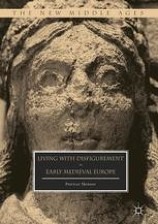
Living with Disfigurement in Early Medieval Europe
Examines social and medical responses to the disfigured face in early medieval Europe, arguing that the study of head and facial injuries can offer a new contribution to the history of early medieval medicine and culture, as well as exploring the language of violence and social interactions. Despite the prevalence of warfare and conflict in early medieval society, and a veritable industry of medieval historians studying it, there has in fact been very little attention paid to the subject of head wounds and facial damage in the course of war and/or punitive justice. The impact of acquired disfigurement —for the individual, and for her or his family and community—is barely registered, and only recently has there been any attempt to explore the question of how damaged tissue and bone might be treated medically or surgically..
Learning Surgery : The Surgery Clerkship Manual
Provides a ready reference to those in third and fourth year residencies. Essential algorithms and case presentations meet with clerkship learning objectives as outlined by the Association of Surgical Education in their ASE Manual. Two sections include Introduction to Clinical Surgery in the Surgical Clerkship Setting and Management of Surgical Diseases During the Clerkship. Chapters include: Stroke, Hypertension, Abdominal Masses, Head Injuries, and Burns. Written by leading clinicians and educators, both surgery residents and medical students will find LEARNING SURGERY indispensible in their rotations and clerkships. Surgeons who train residents will also find the text a valuable ajunct to their teaching.
Complex dental implant complications
This book offers up-to-date guidance in the diagnosis and management of the various complex complications that may be encountered during or after the placement of dental implants. The aim is to raise the awareness of clinicians regarding such complications and to equip them with the knowledge needed in order to deal with complications promptly and effectively.

Children in Tort Law Part II : Children as Victims
Since children are not as capable as adults to perceive the risks involved in many situations of daily life, they are at a high risk of suffering personal injuries, mainly resulting from home, school and traffic accidents. From the tort law perspective, this requires a specific treatment of children as victims. For the last few decades some legal systems have been trying to find new solutions for a better protection of children, while other legal systems still follow more traditional rules. After having tackled the problems concerning the position of children as tortfeasors in a previous book, in this book the same working team deals with the problems related to the position of children as victims. This book analyses both the traditional solutions found in some legal systems and the newer solutions offered by others and devotes specific attention to damage issues, apportionment of damage and insurance problems when the victim is a child.
Cell Therapy, Stem Cells and Brain Repair
As our world continues to evolve, the field of regenerative medicine f- lows suit. Although many modern day therapies focus on synthetic and na- ral medicinal treatments for brain repair, many of these treatments and prescriptions lack adequate results or only have the ability to slow the p- gression of neurological disease or injury. Cell therapy, however, remains the most compelling treatment for neurodegenerative diseases, disorders, and injuries, including Parkinson’s disease, Huntington’s disease, traumatic brain injury, and stroke, which is expanded upon in more detail in Chapter 1 by Snyder and colleagues. Cell therapy is also unique in that it is the only therapeutic strategy that strives to replace lost, damaged, or dysfunctional cells with healthy ones.
Cell therapy stem cells and regenerative medicine
Provides an overview of cell-based therapy for human diseases including the definition, history, and clinical applications of human stem cells and their use in regenerative medicine. It covers human pluripotent stem cells (human embryonic stem cells and human induced pluripotent stem cells), mesenchymal stem/stromal cells, and hematopoietic stem cells, bone marrow mononuclear cells. In terms of clinical applications, this book also provides an update on recent human trials using these cells to treat various diseases, including neurological disorders, pulmonary dysfunctions, metabolic/endocrine-related diseases, frailty, and cancer treatment. In addition, it discusses the authors’ clinical trial experiences related to these conditions in a clinical setting to provide additional insight into regenerative medicine, especially cell-based therapy.
Brainlesion: Glioma, Multiple Sclerosis, Stroke and Traumatic Brain Injuries ; 7th International Workshop, BrainLes 2021, Held in Conjunction with MICCAI 2021, Virtual Event, September 27, 2021, Revised Selected Papers, Part I
The content of thebook covers the current state-of-the-art literature on federated learning applications for cancer research and Vclinical oncology analysis, as well as an overview of the deep learning approaches improving the current standard of care for brain lesions and current neuroimaging challenges. It is also focusing on the accepted BrainLes workshop submissions, is to provide an overview of new advances of medical image analysis in all the aforementioned brain pathologies. It brings together researchers from the medical image analysis domain, neurologists, and radiologists working on at least one of these diseases. The aim is to consider neuroimaging biomarkers used for one disease applied to the other diseases.
Ballistic Trauma : A Practical Guide
Ballistic Trauma: A Practical Guide provides a concise guide to the clinical and operational issues surrounding the management of the ballistic casualty. The book crystallizes the knowledge and experience accrued by those dealing with ballistic trauma on a regular basis and extends this to those who have to manage these patients on an occasional basis only.
Bailey & Love's essential operations in oral and maxillofacial surgery
Covers all the surgical techniques across the entire remit of the specialty. The content encompasses coverage of safe surgical practice, including human factors, and includes detailed coverage of the major OMFS sub-specialties: Oral Surgery and Implantology, Trauma, Oncology, Reconstructive Surgery, Salivary Gland & Thyroid Surgery, Temporomandibular Joint Disorders, Orthognathic and Craniofacial Surgery, Cleft Lip and Palate, Facial Aesthetic Surgery, and Advances in Operative Oral & Maxillofacial Surgery.

Atlas of oral and maxillofacial surgery
Enhances your surgical skills with Atlas of Oral and Maxillofacial Surgery. It offers detailed, step-by-step instructions and more than 2,500 full-color illustrations that demonstrate how to plan for and perform oral and maxillofacial surgical procedures safely and efficiently. Comprehensive and expanded coverage addresses the broad scope of the specialty, ranging from the surgical anatomy of the head and neck to oral surgery, implant surgery, orthognathic and craniofacial surgery, cleft lip and palate, craniomaxillofacial trauma, head and neck oncology, reconstructive procedures, TMJ surgery, facial cosmetic surgery, obstructive sleep apnea, and more.

Atlas of Operative Oral and Maxillofacial Surgery
Comprised of concise text and detailed vignettes focusing on surgical indications, contraindications, pertinent anatomy, virtual surgical planning, operative techniques, postoperative management, complications and key points with over 2,000 high-quality images. Serves as an innovative, multidisciplinary, surgical atlas covering core aspects of oral and maxillofacial surgery, head and neck reconstructive surgery, and facial cosmetic surgery. Chapters are written by experts in their fields and are designed to provide high-yield information utilizing a case report format.

Atlas of dentomaxillofacial anatomical imaging
A complete guide on imaging of the dentomaxillofacial region, a region of high interest to a wide range of specialists. A large number of injuries and patient’s treatment involve the facial skeleton. Enriched by radiographic images and illustrations, this book explores the anatomy of this region presenting its imaging characteristics through the most commonly available techniques (MDCT, CBCT, MRI and US). In addition, two special chapters on angiography and micro-CT expand the limits of dentomaxillofacial imaging.

Assessment of syrian physicians’ knowledge and management of dental trauma – combined survey
Dental trauma (traumatic dental injury, TDI) encompasses injuries to teeth, periodontium, and surrounding tissues, with significant physical, psychological, and socioeconomic consequences. Despite its high prevalence, particularly among children, many physicians lack adequate training in TDI management. This cross-sectional survey assessed Syrian physicians’ knowledge, practices, and confidence in managing dental trauma, identifying gaps and barriers to optimal care.
Anesthesia for oral and maxillofacial surgery
Reviews and describes anesthetic management of patients during oral and maxillofacial surgery. It covers applied anatomy of oral and maxillofacial surgery, difficult airway management and anesthetic techniques. The anesthetic management for patients with oral and maxillofacial disorders such as head and neck infection, head and neck injuries, and head and neck malignancy is also discussed. It will be a concise, up-to-date reference for specialists in anesthesiology, as well as practitioners in oral and maxillofacial surgery. It aims to share up-to-date knowledge and practical techniques with those who work in the fields related to oral and maxillofacial surgery.

Analysis file of drug-induced lung injury : expert opinion for analysis of big data
Describes the pathologic conditions of drug-induced lung injuries, monitoring strategies, and guides on how to interpret the evidence. It also dives into particular drugs that caused the disorder, such as EGFR inhibitors, anti-EGFR antibodies, mTOR inhibitors, proteasome inhibitors, immune checkpoint inhibitors, neoangiogenesis inhibitors, and other molecular targeted drugs. It outlines the analysis and interpretation of the post-marketing survey on surveillance of each drug for inducing pulmonary lesions presenting diffuse haziness. The data and analysis from this survey are valuable since a guideline is yet to be established due to limited clinical evidence and cases. As new drugs are developed, establishing treatment and event management is crucial.
