


تحسين النتائح
ترتيب حسب
من
الى

This stimulating new edition of the well-respected title Biochemistry and Molecular Biology of Antimicrobial Drug Action primarily covers medically important antimicrobial agents, but also includes some compounds not in current medical use which have been invaluable as research tools in biochemistry.
This book imparts fundamental knowledge on the structure, organization, and evolution of bacterial genomes. The value and power of comparative genomics and proteomics, bioinformatics, microarrays, and knockout animal models in analyzing genomes, bacteria-host interactions and disease are demonstrated. Also discussed are the genomes of virulent and nonvirulent strains and species, origin and evolution of pathogens, different models of bacteria-host interactions, and diseases mechanisms.
This volume tends to focus on the biology of biofilms that affect human disease. It opens with chapters that provide the reader with current perspectives on biofilm development, physiology, environmental and regulatory effects, the role of quorum sensing, and resistance/phenotypic persistence to antimicrobial agents during biofilm growth. The next chapters are devoted to common problematic biofilms, those that colonize venous and urinary catheters. The final series of chapters examines biofilm formation by four species that are important pathogens and well studied models, one of which, Yersinia pestis, cleverly adopts a biofilm state of growth within its insect vector to promote disease transmission to mammalian hosts.
This volume of the Keio University International Symposia for Life Sciences and Medicine contains the proceedings of the 13th symposium held under the sponsorship of the Keio University Medical Science Fund. The fund was est- lished by the generous donation of the late Dr. Mitsunada Sakaguchi. The Keio University International Symposia for Life Sciences and Medicine constitute one of the core activities sponsored by the fund,of which the objective is to contribute to the international community by developing human resources, promoting scienti?c knowledge, and encouraging mutual exchange. Each year, the Committee of the International Symposia for Life Sciences and Medicine selects the most signi?cant symposium topics from applications received from the Keio medical community. The publication of the proce- ings is intended to publicize and distribute the information arising from the lively discussions of the most exciting and current issues presented during the symposium.
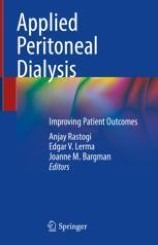
This book offers a comprehensive guide to peritoneal dialysis (PD). Home dialysis, and more specifically PD, is growing in popularity in the US. By conservative estimates, experts suggest that 45 percent of dialysis patients in the US can be on home dialysis. However, the current penetration rate is only 10 percent. This is changing with an expected major increase in the next 5 years. One of the reasons for the low uptake is that many nephrologists lack comfort and confidence in using PD as a dialysis modality.
Covers all aspects of Anti-Neutrophil Cytoplasmic Antibody (ANCA) Associated Vasculitis (AAV). The expression refers to a group of diseases, characterized by destruction and inflammation of small vessels. The clinical signs vary and affect several organs, such as the kidney, lung, skin, nervous system and others. presents recently acquired knowledge on pathogenesis, diagnosis, and therapy with the aim of promoting a more holistic approach to these conditions. AAVs are systemic autoimmune diseases of unknown cause that affect small (to medium) sized blood vessels. They include granulomatosis with polyangiitis (formerly Wegener's granulomatosis), microscopic polyangiitis, and eosinophilic granulomatosis with polyangiitis (formerly Churg–Strauss syndrome).
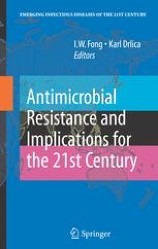
This new volume of the Emerging Infectious Diseases of the 21st Century series is a collection of chapters by leading world authorities on antimicrobial resistance of common, important bacterial, viral and fungal pathogens. This unique book should be in the possession of anyone interested in the field of infectious diseases, microbiology, infection control & public health. The chapters, which are written by reknown experts, provide a wealth of contemporary information on microbiology, molecular mechanisms, epidemiology, clinical relevance, treatment, and prevention
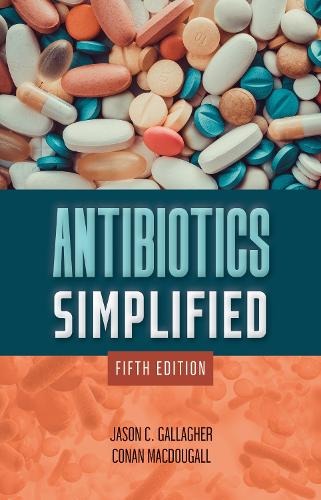
Designed to bridge knowledge gained in basic sciences courses with clinical practice in infectious diseases. This practical text reviews basic microbiology and how to approach the pharmacotherapy of a patient with a presumed infection. It also contains concise Drug Class Reviews with an explanation of the characteristics of various classes of antibacterial drugs and antifungal drugs.
This unique book assembles contributions from experts around the world concerned with responsible use of antibiotics and the consequences of overuse. For the first time, it provides up to the minute texts on both the theoretical aspects of antibiotic stewardship and the practical aspects of its implementation, with consideration of the key differences between developed and developing countries
Provides unique insights into the issues that drive modified dosing regimens for antibiotics in the critically ill. Leading international authors provide their commentary alongside a summary of existing evidence on how to effectively dose antibiotics. Severe infection frequently necessitates admission to the intensive care unit (ICU). Equally, nosocomial sepsis often complicates the clinical course in ICU. Early, appropriate application of antibiotic therapy remains a cornerstone of effective management. However, this is challenging in the critical care environment, given the significant changes in patient physiology and organ function frequently encountered. Being cognisant of these factors, prescribers need to consider modified dosing regimens, not only to ensure adequate drug exposure, and therefore the greatest chance of clinical cure, but also to avoid encouraging drug resistance.
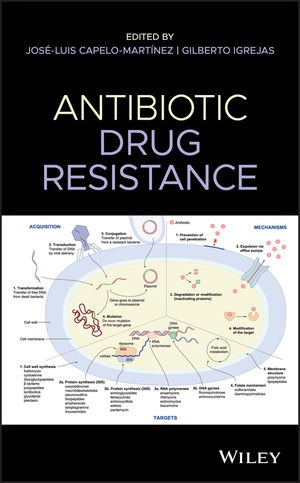
This book presents a thorough and authoritative overview of the multifaceted field of antibiotic science – offering guidance to translate research into tools for prevention, diagnosis, and treatment of infectious diseases.
Focuses on current progress in the broad field of medical microbiology, and covers both basic and applied topics related to the study of microbes, their interactions with human and animals, and emerging issues relevant for public health. Original research and review articles present and discuss multidisciplinary findings and developments on various aspects of microbiology, infectious diseases, and their diagnosis, treatment and prevention.
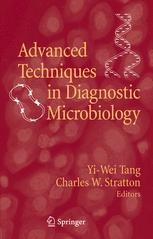
The book is divided into two sections. The first techniques section covers the principles and characteristics of techniques ranging from rapid antigen testing, to advanced antibody detection, to in vitro nucleic acid amplification techniques, and to nucleic acid microarray and mass spectrometry. Sufficient space is assigned to cover different nucleic acid amplification formats that are currently being used widely in the diagnostic microbiology field. Within each technique, examples are given regarding its application in the diagnostic field. Commercial product information, if available, is introduced with commentary in each chapt
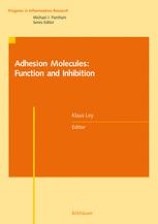
Inflammatory cell recruitment requires the concerted action of at least five major sets of adhesion molecules: integrins, immunoglobulin-like molecules, selectins, carbohydrate structures serving as selectin ligands, and certain ectoenzymes. This volume gives a comprehensive overview on the most relevant leukocyte and endothelial adhesion molecules. The chapters are written by leaders in the field and focus on the biology, structure, function, and regulation of adhesion molecules. Currently approved adhesion molecule-based therapies are reviewed and an outlook for future approaches is also provided. The book is of interest to clinicians and scientists from immunology, physiology, cancer research, rheumatology, allergology, infectious diseases, gastroenterology, pulmonology and cardiology.
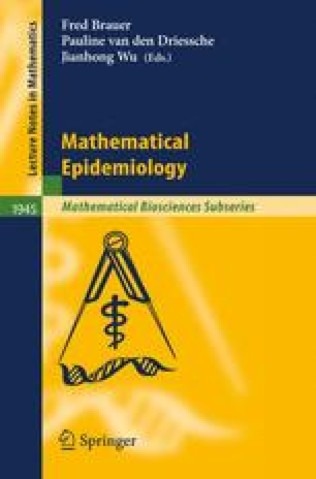
Based on lecture notes of two summer schools with a mixed audience from mathematical sciences, epidemiology and public health, this volume offers a comprehensive introduction to basic ideas and techniques in modeling infectious diseases, for the comparison of strategies to plan for an anticipated epidemic or pandemic, and to deal with a disease outbreak in real time. It covers detailed case studies for diseases including pandemic influenza, West Nile virus, and childhood diseases. Models for other diseases including Severe Acute Respiratory Syndrome, fox rabies, and sexually transmitted infections are included as applications. Its chapters are coherent and complementary independent units. In order to accustom students to look at the current literature and to experience different perspectives, no attempt has been made to achieve united writing style or unified notation.
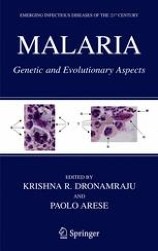
This book was originally conceived at a conference at the University of Turin in Italy. The conference was organized to examine the so-called “Malaria Hypothesis”, that is to say, the higher fitness of t- lassemia heterozygotes in a malarial environment, and to pay tribute to the proponent of that hypothesis, J.B.S. Haldane. Contributors to this book examine certain genetic and evolutionary aspects of malaria which is a major killer of human populations, especially in Africa and Asia. There were attempts to discredit Haldane’s contribution from two directions: (a) it has been suggested that the “Malaria Hypothesis” was known long before Haldane and that there was nothing original about his idea (Lederberg 1999), and that (b) the hypothesis of heterozygote su- riority was first suggested by the Italian biologist Giuseppe Montalenti who communicated his idea to Haldane (Allison 2004).
Focuses on theoretical and empirical intersections between governance, knowledge and space from an interdisciplinary perspective. The contributions elucidate how knowledge is a prerequisite as well as a driver of governance efficacy, and conversely, how governance affects the creation and use of knowledge and innovation in geographical context.

سوريا - اتستراد درعا - غباغب
+963-15 2050 - 15 860 380 /1/2/3 - 11 662 3900