



الصفحة 2
الصفحة 2

Gastroesophagal reflux disease (GERD)
Gastroesophageal reflux disease (GERD) is a common disease with a high prevalence worldwide and a great socioeconomic burden. GERD is a multifactorial disease in which anatomical and functional factors both play a pathogenetic role. The disease can manifest in various symptoms which can be grouped into typical, atypical and extra-esophageal symptoms. The pathophysiology of GERD is complex and not completely understood. An abnormal LES pressure and increased reflux during transient LES relaxations are believed to be key etiologic factors. Prolonged exposure of the esophagus to acid is another. Heartburn and acid regurgitation are the most common symptoms of GERD, although pathologic reflux can result in a wide variety of clinical presentations.

Gastric ulcers the cases and treatment
A gastric ulcer also known as stomach ulcer is an excoriated area of stomach caused principally by the digestive action of gastric juice Secretion in many ways the most common reasons are the taking non steroid anti-inflammatory drugs (NSAID) or an infection with Helicobacter pylori bacteria. It used to be Thought that stress or certain foods or drinking alcohol and smoking tobacco might cause stomach ulcer but in less cases. stomach ulcer can affect people of any age, including children, but mostly occur in people aged 50 or over. the common symptom is the pain in stomach and nausea with or without vomiting. the diagnosis through endoscopy is the best method to be sure about ulcer. the treatment of ulcer according to the reasons of ulcer is caused bacteria or not gastric ulcer It occurs in 80% of cases with the level of curvature The little one, especially the angle and antra, and effect men and women are the same.

Energy Metabolism and Obesity : Research and Clinical Applications
Elucidate the most important aspects of genetic background, neuropeptide secretion and action, neuronal pathways, adipokines, gut hormones, and environmental influences (physical activity, pharmacologic agents, and surgical alteration of the gastrointestinal tract), as well as the complex interactions among them.

Endoscopic Oncology
Endoscopic Oncology: Gastrointestinal Endoscopy and Cancer Management examines the interface between endoscopy and oncology, and its utilization in the prevention, diagnosis, and management of cancer. Organized anatomically, chapters covering relevant cancers and premalignant conditions of the esophagus, stomach, colorectum, and pancreaticobiliary are explored in depth.

Emergency Radiology : Imaging and Intervention
There is an increasing trend towards the use of tries, hospital emergency departments have become a MDCT to evaluate traumatic injuries and non-traumatic major part of the healthcare safety net. In the last decade emergencies. The use of workstations for reporting and for economically-driven structural changes in health care further image reconstruction becomes standard practice. delivery have caused a dramatic increase in emergency On the occasion of the European Congress of Radiology department visits. In response to capacity and staffing (ECR) 2003 and 2004 a Categorical Course on “Emergency pressures, hospitals are developing and implementing a Radiology”has been organized to assess current devel- variety of strategies designed to improve patient flow and ments and concepts in this rapidly growing field. reduce overcrowding in the emergency department. Numerous radiologists,all outstanding and international- Several factors are considered critical for success, such as ly renowned experts in their field,have made superb c- having the right multidisciplinary teams in place and opti- tributions in an ECR syllabus.

Early Cancer of the Gastrointestinal Tract : Endoscopy, Pathology, and Treatment
Differences in the diagnostic criteria for early cancer of the gastrointestinal tract between Japan and Western countries have been an interesting issue for some time, physicians in Japan being much more inclined to give a diagnosis of cancer than their European and North American counterparts. This book addresses those differences by contrasting the views of Eastern and Western endoscopists and pathologists on 24 cases presented in Part I.

Drug delivery technology : Herbal bioenhancers in pharmaceuticals
Bioenhancers have been used in Ayurveda historically and are now being investigated for their pharmacological effi cacy. Herbal bioenhancers work on the gastrointestinal tract to improve absorption and drug bioavailability by acting on the drug metabolic process. Many herbal drugs show low activity due to their poor lipid solubility or improper molecular size. Piperine, gingerol, naringin, quercetin, niaziridin, glycyrrhizin, allicin, curcumin, genistein and others are able to enhance the bioavailability of active pharmaceuticals. This book details various facets of herbal bio-enhancers in a single comprehensive text.

Diseases of the Abdomen and Pelvis 2018-2021 : Diagnostic Imaging - IDKD Book
This open access book deals with imaging of the abdomen and pelvis, an area that has seen considerable advances over the past several years, driven by clinical as well as technological developments. The respective chapters, written by internationally respected experts in their fields, focus on imaging diagnosis and interventional therapies in abdominal and pelvic disease; they cover all relevant imaging modalities, including magnetic resonance imaging, computed tomography, and positron emission tomography. As such, the book offers a comprehensive review of the state of the art in imaging of the abdomen and pelvis. It will be of interest to general radiologists, radiology residents, interventional radiologists, and clinicians from other specialties who want to update their knowledge in this area.

Curcumin : clinical uses, health effects and potential complications
Curcumin is a natural product with polyphenolic structure. It is used in therapeutic remedies alone or in combination with other natural substances. Many researchers are investigating it because of its biological activities such as: anti-inflammatory, anti-cancer, anti-protozoal, anti-viral, anti-bacterial and has been found to be effective for treatment of Alzheimer, depression, headaches, fibromyalgia, leprosy, fever, menstrual problems, water retention, worms and kidney problems etc. It is an active ingredient in dietary spice, turmeric. It has reactive functional groups: a diketone moiety and two phenolic groups. Despite its unique biological activities, it suffers from some shortcomings which include: gastrointestinal problems, poor bioavailability due to its poor absorption, short half-life, poor solubility in aqueous solutions, rapid systemic elimination and antithrombotic activity which can interfere with blood clotting. The first chapter of this book reviews the different delivery systems used for incorporation of curcumin and its derivatives, release kinetics and up to date in vivo results. Chapter two discusses curcumin nano and microencapsulation and its implications on clinical uses.

Cognitive Behavioral Therapy for Chronic Illness and Disability
Severe pain, debilitating fatigue, sleep disruption, severe gastrointestinal distress – these hallmarks of chronic illness complicate treatment as surely as they disrupt patients’ lives, in no small part because of the overlap between biological pathology and resulting psychological distress. Cognitive Behavioral Therapy for Chronic Illness and Disability cuts across formal diagnostic categories to apply proven therapeutic techniques to potentially devastating conditions, from first assessment to end of treatment. Four extended clinical case examples of patients with chronic fatigue, rheumatoid arthritis, inoperable cancer, and Crohn’s disease are used throughout the book to demonstrate how cognitive-behavioral interventions can be used to effectively address ongoing medical stressors and their attendant depression, anxiety, and quality-of-life concerns. At the same time, they highlight specific patient and therapist challenges commonly associated with chronic conditions.
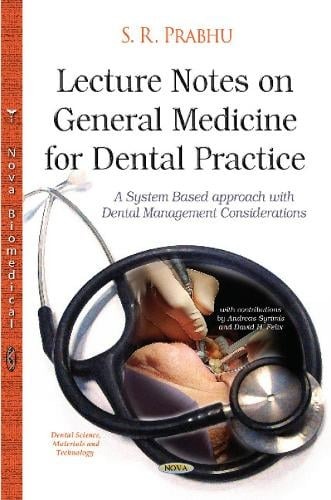
Lecture Notes on General Medicine for Dental Practice : A System based Approach with Dental Management Considerations
Offers a system based approach covering a broad range of topics in general medicine for dental practice. The book includes chapters on history taking and patient interview, general physical examination, system specific examination, common health related complaints, systemic infections, and diseases of the gastrointestinal, cardiovascular, respiratory, neurological, immunological, renal, endocrinal, dermatological and musculoskeletal systems. Nutritional disorders, psychiatric disorders, the female patient with menstrual, menopause and pregnancy related disorders, dental management of patients taking medications for systemic conditions and medical emergencies in dental practice have also been discussed in some detail.
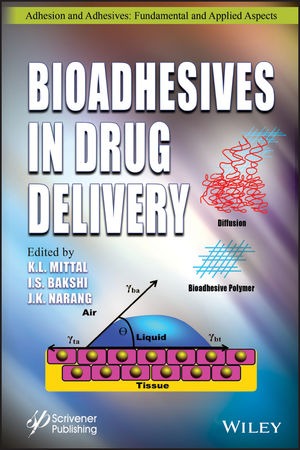
Bioadhesives in Drug Delivery
The topics covered include: Theories and mechanisms of bioadhesion; bioadhesive polymers for drug delivery applications; methods for characterization of bioadhesiveness of drug delivery systems; bioadhesive films and drug delivery applications; bioadhesive nanoparticles; and bioadhesive hydrogels and applications ocular biodhesive drug delivery systems; buccal bioadhesive drug delivery systems; gastrointestinal bioadhesive drug delivery systems ; nasal bioadhesive drug delivery systems; vaginal drug delivery systems; pulmonary bioadhesive drug delivery systems.

Atlas of Upper Gastrointestinal and Hepato-Pancreato-Biliary Surgery
Atlas of Upper Gastrointestinal and Hepato-Pancreato-Biliary Surgery covers in detail the technical aspects of all important procedures of the upper abdomen (esophagus, duodenum, stomach, liver, biliary system, pancreas, portal hypertension and spleen) including general, oncologic and transplantation surgery. Each chapter has been written by an expert renowned in his or her field and been reviewed by a second expert. All of the approximately 900 illustrations have been drawn by the same team of three artists of notable experience. The liver section follows the internationally accepted terminology of the Brisbane 2000 conference of the IHPBA. In this atlas experts of upper abdominal surgery share their experience and show how they do it - step by step.

Atlas of endomicroscopy
Deals with the new insights of endomicroscopy and provides you an overview about the development, the requirements, the technique, current indications and further possibilities of endomicroscopy.

Aspirin tablet film coated with famotidine
Focuses on enhancing the gastrointestinal tolerance of aspirin tablets by coating them with famotidine, a histamine-2 receptor antagonist known for its ability to reduce stomach acid production. The project aims to investigate the potential of famotidine coating in mitigating the gastric side effects commonly associated with aspirin usage, such as gastric irritation and ulcers. Through a series of in vitro studies, the project will evaluate the effectiveness of famotidine-coated aspirin tablets in reducing gastric mucosal damage and improving overall gastrointestinal safety.
Applications of functional foods in disease prevention
Functional food sources are growing in popularity because they are exceptionally nutritious and provide amazing medical advantages. They can help ensure against infection, prevent supplement deficiency, and advance appropriate health development and improvement. With illustrative case studies, this new volume explores the many roles of functional foods in the prevention and management of various diseases, including diabetes, autism spectrum disorder, weight loss and obesity, microbial infections, ulcers and other gastrointestinal diseases, mental disorders and brain health, cardiac health and cardiovascular diseases, osteoporosis and bone health, and more.

Anti-stress chewing gum
Anxiety (stress) is a prevalent mental health concern that can significantly impact individuals' well-being and productivity. It can contribute to various health issues, including mental disorders, gastrointestinal problems, cardiovascular complications, and reduced work efficiency. To address this pressing issue, we aimed to assess public awareness of stress among Syrians and develop an innovative chewing gum formulation to mitigate its negative effects...

Anafilassi in pediatria = Anaphylaxis in pediatrics
Anaphylaxis is defined as an immediate systemic reaction due to the rapid IgE mediated release of potent mediators from tissue mast cells and peripheral blood basophils and represents a generalized clinical condition that includes skin, respiratory, cardiovascular and gastrointestinal signs and symptoms. It includes various clinical pictures, which derive from the association of symptoms such as urticaria, angioedema, vomiting, diarrhea, asthma, dyspnoea, edema of the glottis, hypotension, shock, etc., not always easy to identify, which however require a timely and correct diagnostic approach. .

Anaesthesia, pain, intensive care and emergency medicine - A.P.I.C.E. ; Proceedings of the 19 th Postgraduate Course in Critical Care Medicine. Trieste, Italy - November 12-15, 2004
APICE 2004 has been organised to provide precise answers to these issues. In particular, considerable emphasis has been given to the reviews regarding the most important aspects - or the most significant clinical developments - in the sectors involving variety of functions: neurological, respiratory and cardiovascular, gastrointestinal, metabolism and perfusion; trauma infections, sepsis and organ failure; perioperative medicine and life support techniques; information technology dedicated to clinical medicine, but also as a means of information and education.

Adverse Food Reaction
Adverse food reaction is a broad term indicating a link between an ingestion of a food and an abnormal response. Adverse reactions to foods, aside from those considered toxic, are caused by a particular individual intolerance towards commonly tolerated foods. Intolerance derived from an immunological mechanism is referred to as Food Allergy, the non-immunological form is called Food Intolerance. IgE-mediated food allergy is the most common and dangerous type of adverse food reaction. It is initiated by an impairment of normal Oral Tolerance to food in predisposed individuals (atopic). Food allergy produces respiratory, gastrointestinal, cutaneous and cardiovascular symptoms but often generalized, life-threatening symptoms manifest at a rapid rate-anaphylactic shock.
