


تحسين النتائح
ترتيب حسب
من
الى

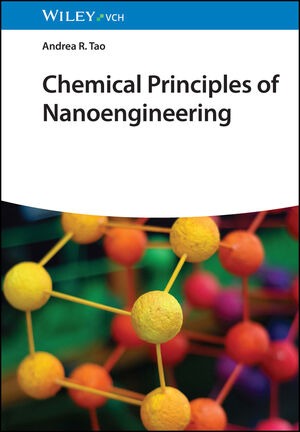
Nanomaterials, which possess at least one dimension lower than 100 nanometers, are increasingly at the forefront of technological and chemical innovation. The properties of these uniquely minute materials give them distinctive applications across a huge range of industries and research fields. It is therefore critical that the next generation of engineers and materials scientists understand these materials, their chemical properties, and how they form bonds
More than 90 papers give a summary of clinical and basic studies on cerebral vasospasm, including reviews by leading researchers in this field. Several new frontiers are proposed for future research directions that will not only promote research from neurosurgery and neurology but also from other interconnecting fields of emergency medicine, electrophysiology, molecular biology, and vascular biology.
This volume serves as a succinct and well-organized reference volume focused on inflammatory CNS disease to a wide audience. The text is comprised of four sections revolving around current areas of interest in the fields of neuroimmunology, virology, pharmacology and disease. Sections of this text focus on a specific category of diseases as well as the pharmacological, virological, and immunological effects of and on the disease.Although many have covered this topic, few have provided a volume as concise and efficient. Each disease is broken down on a variety of scientific levels without getting into the history of the disease. This approach provides a succinct overview of a specific subject encompassing interrelated topics pertaining to neurology, immunology and disease. The information provided in Central Nervous System Diseases and Inflammation will be useful for researchers, clinicians, as well as a valuable resource for students interested in the fascinating arena of neuroinflammation.
This comprehensive volume, written by experts in the field, provides a current understanding of the molecular properties of the heat shock proteins and their roles in health and disease. Cell Stress Proteins includes advances in several aspects of stress protein research, with chapters ranging from basic studies of the role of heat shock proteins in protein folding to reviews examining the breakdown of stress protein regulation during disease. It also provides analysis of the biochemical and molecular properties of heat shock proteins which can be utilized in evaluating their role in human physiology and pathology. Cell Stress Proteins is an ideal book for researchers, clinicians, physicians, and graduate students in the fields of biochemistry, cell biology, microbiology, immunology, and genetics.
The molecular mechanisms controlling cell cycle progression are highly conserved in eukaryotes. In addition to the basic protein machinery involved in cell cycle regulation, higher plants have also evolved unique molecular mechanisms that allow integration of environmental, physiological, and developmental signals into networks to control proper cell division and expansion. Rapid and exciting research progress in these fields has been achieved from experimental observations on plants over the past decade. The scope of this volume is focused on the molecular basis of all aspects of cell division and cytokinesis in plants. It is an essential reference book for instructors and scientists working in the areas of molecular, cell, and developmental biology of plants. The editors of this book are veterans in the field of plant molecular biology and highly respected worldwide.
This volume contains the main proceedings of the fourth international conference on "Cancer Prevention 2006," which was held during February 16–18, 2006, in St. Gallen, Switzerland. Written by international experts in the field, the book comprises a comprehensive update on the most recent developments in the upsurging fields of molecular biology and cancer genetics and their interactions with clinical epidemiology and cancer prevention at various levels: genetic/biologic predisposition and definition of high-risk groups; preclinical models and tumor prevention; prospects of surrogate endpoints and biomarkers; progress in imaging and detection of neoplastic precursor lesions.

New findings in brain research are being revealed on an almost daily basis, and the focus of this book is the fields of breathing, neuroprotection, and higher brain functions. An unresolved issue within respiration research and hence a topic of much interest is Where and how respiratory rhythm is generated in the brainstem, detailed analysis of which is presented herein. Chapters on neuroprotection examine the functional significance of the blood – brain barrier as an interface of blood and the central nervous system; other chapters look at health and disease in relation to the hypothalamic and limbic systems. In addition to animal experiments, research on the human brain is included, with a focus on the recently developed EEG/dipole tracing method. This book will be an invaluable reference for researchers in neuroscience and related fields.

Since Bailey and Cushing (1926), all brain tumor classifications have been called histogenetic. The nosographic position that the tumor types progressively acquired in the classification systems derived from the resemblance of tumor cells to those of the cytogenesis, modified whenever new information became available from different biological research fields and especially from molecular genetics. Classically, on the basis of the rough correspondence between the mature/immature aspect of tumor cells and the benign/malignant biological behavior of the tumors, the histological labels contained a prognostic significance. The supposed origin of the tumors was thus a factor for prognosis. Later on, with the concept of anaplasia (Cox, 1933; Kernohan et al., 1949) new criteria were introduced for establishing the malignancy grades of tumors. Immunohistochemistry and later molecular genetics further refined the prognostic diagnoses, substantially increasing the opportunities to recognize the cell origin of tumors, beside revealing the pathogenetic mechanisms. Prognoses became more accurate, as required by the greater and more targeted possibilities of therapy.

The book covers notions by scientists of various branches on the evolutionary relationship between the biosphere and geosphere, evolution features at various levels of living matter organization, and problems of prebiotic evolution and life origin. The data were collected in the course of the RAS program "Biosphere origin and evolution" (subprogram II) in 2003–2006. The objectives of this subprogram were (1) generalization of data related to problems of biosphere origin and evolution accumulated by geneticists, molecular biologists, zoologists, botanists, paleontologists, microbiologists, geologists, chemists, and archaeologists; (2) search for new interdisciplinary approaches to biosphere origin and evolution; (3) development of a "lingua franca" understandable by experts in various fields, which would allow apprehension of results concerning the topic obtained in allied sciences
Biopharmaceutical Processing: Development, Design, and Implementation of Manufacturing Processes covers bioprocessing from cell line development to bulk drug substances. The methods and strategies described are essential learning for every scientist, engineer or manager in the biopharmaceutical and vaccines industry. The integrity of the bioprocess ultimately determines the quality of the product in the biotherapeutics arena, and this book covers every stage including all technologies related to downstream purification and upstream processing fields. Economic considerations are included throughout, with recommendations for lowering costs and improving efficiencies.
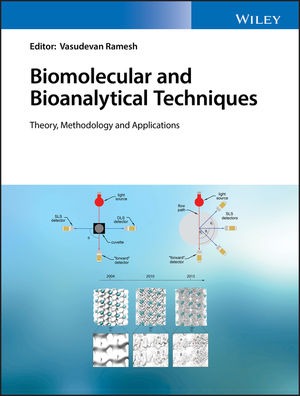
Offers an introduction to, and a basic understanding of, a wide range of biophysical techniques. The text takes an interdisciplinary approach with contributions from a panel of distinguished experts. With a focus on research, the text comprehensively covers a broad selection of topics drawn from contemporary research in the fields of chemistry and biology. Each of the internationally reputed authors has contributed a single chapter on a specific technique. The chapters cover the specific technique’s background, theory, principles, technique, methodology, protocol and applications.
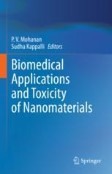
Covers the recent trends on the biological applications of nanomaterials, methods for their preparation, and techniques for their characterization. Further, the book examines the fundamentals of nanotoxicity, methods to assess the toxicity of engineered nanomaterials, approaches to reduce toxicity during synthesis. It also provides an overview of the state of the art in the application of Artificial intelligence-based methodologies for evaluation of toxicity of drugs and nanoparticles. The book further discusses nanocarrier design, routes of various nanoparticle administration, nano based drug delivery systems, and the toxicity challenges associated with each drug delivery method. It presents the latest advances in the interaction of nanoparticles with the cellular environment and assess nanotoxicity of these engineered nanoparticles. The book also explores the comparative and mechanistic genotoxicity assessment of the nanomaterials. This book is useful source of information for industrial practitioners, policy makers, and other professionals in the fields of toxicology, medicine, pharmacology, food, and drugs.

This book follows "Bio-mechanisms of Animals in Swimming and Flying" published in 2004 including 11 chapters. This time, the book includes 31 chapters on the latest researches into natural autonomous systems and locomotion in both flying and swimming organisms. The area of sports science such as analysis and simulation of human swimming is newly added. The computational frameworks for the modeling, simulation and optimization of animals in swimming and flying demonstrate an important role in the progress of interdisciplinary work in the fields of biology and engineering. An innovative technology is exhibited for the flight of an insect size micro air vehicle. Neuronal science is not only unveiling the locomotion mechanisms of swimming in fish from the aspect of the neuronal activities, but also applied to underwater biomimetic robots. The interdisciplinary works are exhibited in the fields of biology and engineering, yielding real-world benefits in innovative technologies.
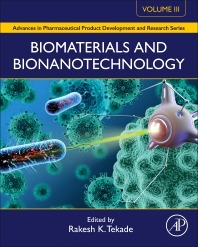
Examines the current state of the field within pharmaceutical sciences and concisely explains the history of biomaterials including key developments. Written by experts in the field, this volume within the Advances in Pharmaceutical Product Development and Research series deepens understanding of biomaterials and bionanotechnology within drug discovery and drug development. Each chapter delves into a particular aspect of this fast-moving field to cover the fundamental principles, advanced methodologies and technologies employed by pharmaceutical scientists, researchers and pharmaceutical industries to transform a drug candidate or new chemical entity into a final administrable dosage form, with particular focus on biomaterials and bionanomaterials. This book provides a comprehensive examination suitable for researchers working in the pharmaceutical, cosmetics, biotechnology, food and related industries as well as advanced students in these fields.
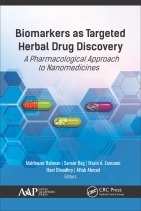
Looks at the applications of biomarkers as important tools for herbal drug discovery, presenting research on phytoconstituents with advanced nanotechnological applications for healthcare benefits. Herbal drug discovery based on biomarkers is an emerging area in complementary and alternative medicine that has tremendous potential in healthcare. Conventional medications have limited efficacy and high toxicity, whereas herbal drugs are said to provide wide structural diversity that is not usually seen with conventional/synthetic drug molecules. Recognition of various herbal constituents, such as terpenoids, fatty acids, flavonoids and steroids, are well explored in the management and treatment of various disorders in this volume. These agents target various biomarkers such as nitric oxide (NO), cytokines, chemokines, adhesion molecules, NF- kβ, lipoxygenase (LOX), and arachidonic acid. Reviews the literature on inflammatory biomarkers in the treatment of diseases Looks at the development of herbal drug discovery based on biomarkers Explores emerging concepts of nanomedicines for herbal drug delivery Takes an interdisciplinary approach, with application to disciplines related to medical, pharmaceutical, biotechnological, Ayurvedic, Unani and biomedical engineering fields
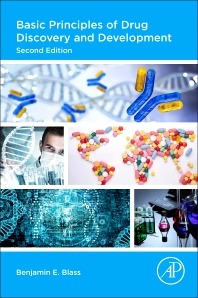
Presents the multifaceted process of identifying a new drug in the modern era, which requires a multidisciplinary team approach with input from medicinal chemists, biologists, pharmacologists, drug metabolism experts, toxicologists, clinicians, and a host of experts from numerous additional fields. Enabling technologies such as high throughput screening, structure-based drug design, molecular modeling, pharmaceutical profiling, and translational medicine are critical to the successful development of marketable therapeutics. Given the wide range of disciplines and techniques that are required for cutting edge drug discovery and development, a scientist must master their own fields as well as have a fundamental understanding of their collaborator’s fields.
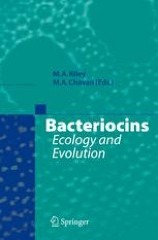
Microbes produce an extraordinary array of defense systems. These include bacteriocins, a class of antimicrobial molecules with narrow killing spectra, produced by bacteria. The book describes the diversity and ecological role of bacteriocins of Gram-positive and Gram-negative bacteria, presenting a new classification scheme for the former and a state-of-the-art look at the role of bacteriocins in bacterial communication. It discusses the molecular evolution of colicins and colicin-like bacteriocins, and provides a contemporary overview of archaeocins, bacteriocin-like antimicrobials produced by archaebacteria. Furthermore, various modeling (in silico) studies elucidate the role of bacteriocins in microbial community dynamics and fitness, delving into rock-paper-scissors competition and the counter-intuitive survival of the weakest. The book makes compelling reading for a multi-faceted scientific audience, including those working in the fields of biodiversity and biotechnology, notably in the human and animal health domain.
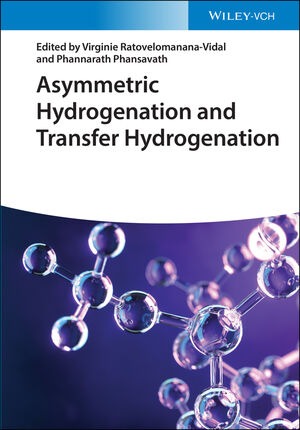
Details its complex subject matter clearly and plainly and covers everything from catalyst development and reactions to mechanisms and applications in academia and industry. The papers included within come from many of the leading voices in their respective fields and represent the newest and best research available today.
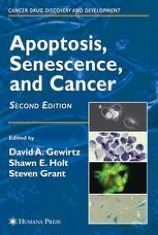
Apoptosis, Senescence and Cancer provides insight into established practices and research into apoptosis and senescence by thoroughly examining novel and emerging techniques and research in the fields of cell death pathways, senescence growth arrest, drugs and resistance, DNA damage response, and other topics which still hold mysteries for researchers.this volume provides basic scientists and clinicians with a deeper and more complete understanding of the cellular responses of malignancies which may determine the effectiveness of treatment.
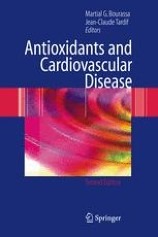
Antioxidants and Cardiovascular Disease, Second Edition addresses a complex but very timely and fascinating problem in cardiovascular medicine. It is written by recognized experts in the fields of atherosclerosis and antioxidants. It should be of interest not only to academicians but also to practicing physicians.

سوريا - اتستراد درعا - غباغب
+963-15 2050 - 15 860 380 /1/2/3 - 11 662 3900