



الصفحة 2
الصفحة 2
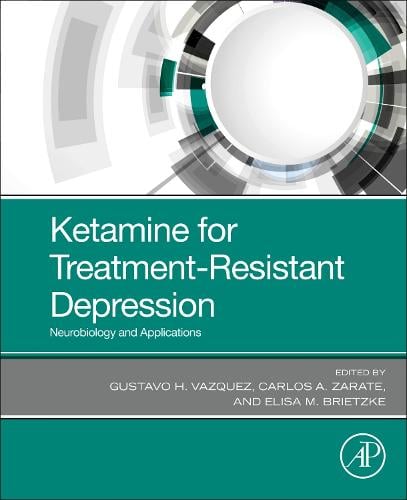
Ketamine for Treatment-Resistant Depression : Neurobiology and Applications
Ketamine for Treatment-Resistant Depression: Neurobiology and Applications provides a simple, evidence-based overview for neuropsychiatrists and translational researchers on this medication, its mechanisms of actions, eligibility of patients for treatment, and the preparation and implementation of ketamine clinics.

Clinical dental pharmacology
Quick reference for drugs relevant to clinical dentistry. It delivers an essential reference for dental practitioners seeking quick, easy access to current and accurate information about drugs used by dentists in clinical practice. The book covers common drugs prescribed by dental practitioners as well as systemic medications which may impact on provision of clinical dental care. A separate section on recognition and management common medical emergencies in dental practice is also included.
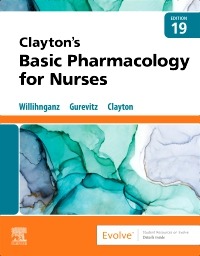
Claytons basic pharmacology for nurses
Helps you understand the principles of pharmacology and apply them to nursing practice. Known for its practical application of the nursing process to drugs and disorders, this book explains how to make informed decisions about drug therapy, educate patients, and administer medications. This edition adds new Next Generation NCLEX® (NGN)-style case studies and questions to prepare you for the critical thinking questions on the NGN exam. Concise and easy to use, this text teaches the basics of medication administration and drug actions.

Challenge In biologic drug delivery
Biologics are currently one of the most promising avenues for therapeutic interventions in conditions such as metabolic disease, ageing and inflammatory disorders, and for chronic ailments, oral delivery of such medicines has for years been recognised as an important goal. Despite decades of intensive research, oral delivery of biologics is only just starting to prove feasible. There has been much talk about the barriers to uptake of biologics, and indeed, one function of the intestine is to prevent, in one way or another, passage of unwanted materials across the gut, and yet, grams of biological agents both large and small pass across the intestinal cell wall every day. This review first describes the functioning of the gut under normal circumstances, then identifies the principle biological mechanisms, which have been harnessed successfully, to date, to achieve oral uptake, outlining the pros and cons of each approach.
Cardiac drug therapy
Cardiac Drug Therapy, 7th ed., addresses the pharmacology and therapeutic application of drugs used to treat heart diseases and hypertension. Additions and updates to the sixth edition include six new chapters on current controversies in cardiac drug therapy such as the beta blocker issue many cardiologists are presently grappling with. The book provides practical advice on how to manage cardiac diseases and addresses the choice of one particular cardiac agent vs. another. In addition to providing core knowledge in cardiovascular therapeutics, the text assists in resolving some of the issues surrounding cardiac drugs. Cardiac Drug Therapy provides practical information including properties, dosage, side effects, potential salutary benefits, and drawbacks on virtually all commercially available cardiac drugs.

Bigel : An innovative drug delivery system
Bigel is a promising drug delivery system that modifies the pharmacotherapeutic characteristics of knowing active pharmaceutical ingredient (API).It is a mix between hydrogel and organogel (oleogel). The objective of the present work demonstrates the ability of bigel to overcome the disadvan- tages of both types of gels, including the limited ability to cross lipophilic barriers of the skin for hydrogels and the low patient compliance for organogels due to their stickiness and oily residues. Materials andmethods : Carbomer934, PolyvinylpyrrolidoneK 90 and Castor oil where mixed in a high shear mixer using diferent weight percentages of each. Hence,13 for mulations (BG1 to BG13) prepared by simplex mixture design modelis used to study the inuenceofafore- mentioned ingredients on appearance, dynamicviscosity, pH, stability, microscopicstructure of bigel and to understand the chemical interactions between bigel components, Fouriertrans- form infrared (FTIR) analysis will bereported.

Aspirin tablet film coated with famotidine
Focuses on enhancing the gastrointestinal tolerance of aspirin tablets by coating them with famotidine, a histamine-2 receptor antagonist known for its ability to reduce stomach acid production. The project aims to investigate the potential of famotidine coating in mitigating the gastric side effects commonly associated with aspirin usage, such as gastric irritation and ulcers. Through a series of in vitro studies, the project will evaluate the effectiveness of famotidine-coated aspirin tablets in reducing gastric mucosal damage and improving overall gastrointestinal safety.
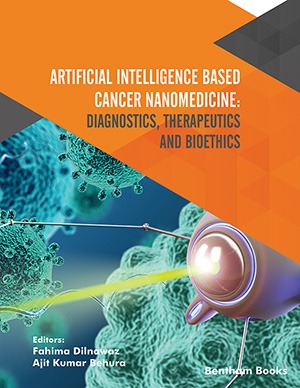
Artificial intelligence based cancer nanomedicine : Diagnostics, therapeutics and bioethics
Nanomedicine is evolving with novel drug formulations devised for multifunctional approaches towards diagnostics ad therapeutics. Nanomedicine-based drug therapy is normally explored at a fixed dose. The drug action is time-dependent, dose-dependent and patient-specific. To overcome challenges of nanomedicine testing, artificial intelligence (AI) serves as a helping tool for optimizing the drug and dose parameters. Real time conversions between these two features enables upgradation of patient data acquisition and improved design of nanomaterials. In this scenario, AI-based pattern analysis and algorithms models can greatly improve accuracy of diagnostics and therapeutics.
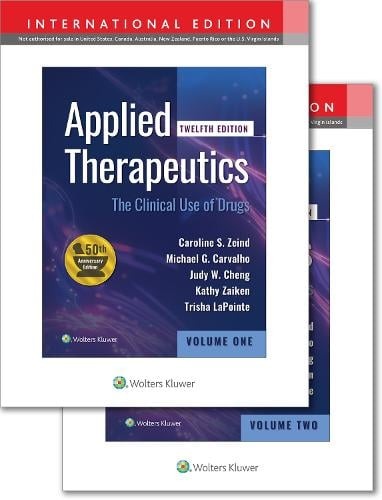
Applied therapeutics : The clinical use of drugs
"Continually revised and updated for 50 years, Applied Therapeutics: The Clinical Use of Drugs is the gold standard for patient centered drug therapeutics. With its acclaimed case-based approach, it promotes mastery and application of the fundamentals of drug therapeutics. Featuring contributions from more than 200 experienced clinicians, every chapter reflects our ever-changing knowledge of drugs and the application of this knowledge to the individualized therapy of patients. As students progress from the General Principles section to chapters on specific diseases, they will benefit from practical problem-solving techniques that help devise effective evidence-based drug treatment plans"

Anti-phospholipid Syndrome
APS is an autoimmune disorder characterized by an increased tendency to form abnormal blood clots and Obstetrical morbidity wish cause to multi- miscarriages for women having this syndrome. Patients with Anti-Phospholipid Syndrome usually treated with multidrug regime depending mainly on Anticoagulant drugs, Anti Platelet Drugs and Immunomodulators Drugs. We aim in this project to talk about the Anti-Phospholipid Syndrome, what is patients’ symptoms, how is this disease diagnosed, and what drugs used in treatment and some information about the drug used in the treatment.

Anti-Obesity drugs
As a chronic and relapsing disease, obesity impairs metabolism and causes diabetes, cardiovascular diseases and cancer. Although behavioral modification is important for the treatment of obesity, it is difficult to achieve an ideal weight or sustain the process of long-term weight loss. Therefore, the obesity control guidelines strongly recommend lifestyle interventions along with medical treatment for patients who are overweight. There is sufficient evidence supporting that pharmacotherapy in combination with behavior-based interventions can result in significant weight loss and improvement of the health.
