



الصفحة 19
الصفحة 19

Cognitive Behavioral Therapy for Chronic Illness and Disability
Severe pain, debilitating fatigue, sleep disruption, severe gastrointestinal distress – these hallmarks of chronic illness complicate treatment as surely as they disrupt patients’ lives, in no small part because of the overlap between biological pathology and resulting psychological distress. Cognitive Behavioral Therapy for Chronic Illness and Disability cuts across formal diagnostic categories to apply proven therapeutic techniques to potentially devastating conditions, from first assessment to end of treatment. Four extended clinical case examples of patients with chronic fatigue, rheumatoid arthritis, inoperable cancer, and Crohn’s disease are used throughout the book to demonstrate how cognitive-behavioral interventions can be used to effectively address ongoing medical stressors and their attendant depression, anxiety, and quality-of-life concerns. At the same time, they highlight specific patient and therapist challenges commonly associated with chronic conditions.

Cloud Native Architecture and Design : A Handbook for Modern Day Architecture and Design with Enterprise-Grade Examples
Explains the fundamentals of cloud-native architecture and services, what cloud principles and patterns to use, and details of designing a cloud-native element. And Progresses to cover the details of how IT systems can modernize to embrace cloud-native architecture, and also provides details of various enterprise assessment techniques to decide what systems can move and cannot move into the cloud. Architecting and designing a cloud-native system isn’t possible without modernized software engineering principles, the culture of automation, and the culture of innovation. As such, this book covers the details of cloud-native software engineering methodologies, and process, and how to adopt an automated governance approach across enterprises with the adoption of artificial intelligence. You will: Discover cloud-native principles and patterns, and how you can leverage them to solve your business problems ; Gain the techniques and concepts you need to adapt to design a cloud-native application ; Use assessment techniques and tools for IT modernization ; Apply cloud-native engineering principles to the culture of automation and culture of innovation ; Harness the techniques and tools to run your cloud-native applications and automate infrastructure ; Operate your cloud-native applications by using AI techniques and zero operation techniques

Clinicopathological Correlation of Oral Diseases
Represents an innovative approach to the assessment and diagnosis of both common and relatively uncommon oral diseases. It introduces the reader to adopt a systematic, analytical approach to gather clinical information and understand the underlying pathological processes to arrive at an accurate diagnosis to help efficient management of diseases in the oral and maxillofacial region.

Clinician's Handbook of Oral and Maxillofacial Surgery
Provides a single place to quickly find information on a diverse range of clinical topics, including dentoalveolar surgery, maxillofacial trauma, craniofacial anomalies, and oral pathology. All of the previous chapters have been updated, and new chapters on implantology, cleft lip and palate, maxillofacial reconstruction, oral squamous cell carcinoma, and cosmetic surgery have been added. Moreover, increasing the size of the book has allowed for the inclusion of many summary charts, tables, clinical photographs, and radiographs, which was not possible in the previous version. As a result, this new edition provides expanded information in an improved format.

Clinical Research Methods for Surgeons
The text addresses the clinical research questions facing 21st century surgeons, and provides clear direction on how to incorporate sophisticated research techniques into practice. In addition to the surgical generalist, this practical volume is specifically oriented to surgeons who treat unique diseases, yet have no single resource to facilitate clinical research in these specific areas. This comprehensive and easy-to-use guide encompasses the entire process of clinical study design, application, and assessment. Part One is aimed at the young surgeon about to engage in new studies, and gives a general overview of the infrastructure of clinical research. Parts Two and Three are geared towards experienced investigators interested in pursuing clinical research and surgeons reviewing the literature for practical application. Part Two focuses on study design and related statistical issues, while Part Three is concerned with measuring and assessing the outcome of clinical studies. Part Four presents topics of interest to the active investigator, such as quality of care and cost-effectiveness analyses. Clinical Research Methods for Surgeons is relevant to both beginning investigators and established researchers, and addresses the unique concerns of surgical diseases and acknowledges that they require special approaches to deal with clinical questions.

Clinical psychology and heart disease
The publication offers a thorough and up-to-date review of scientific research supporting evidence of the relationship between cardiac disease and psychological condition, and offers practical suggestions for developing a clinical practice, and directions for future research in the new field of "cardiac psychology". Every chapter is authored by world-renowned researchers in the field.

Clinical Pharmacology of Sleep
This volume covers the clinical and pharmacological treatment of several important sleep disorders such as insomnia, sleep apnea, narcolepsy, restless legs syndrome, and periodic limb movement syndrome. It further addresses the use of sleep medications in children, adolescents, and in the elderly. It offers a comprehensive overview of the currently available hypnotic medications and covers aspects of chronopharmacology and its implications for the pharmacology of sleep. It also reviews the basic science of sleep and sleep disorders, and thus the potential development of new pharmacological approaches. The book will be useful for physicians, psychopharmacologists, psychiatrists, sleep disorder specialists and other healthcare professionals such as nurses, social workers and graduate medical students.
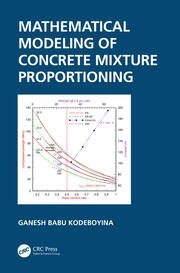
Mathematical Modeling of Concrete Mixture Proportioning
It puts together an understanding of the appropriate principles of ensuring performance and sustainability of concrete. Broadly subdivided into three parts, first part contains the fundamental aspects introducing the constituent materials, the concepts of concrete mixture designs and the mathematical formulations of the various parameters involved in these designs. The second part is dedicated to discussing approaches and recommendations of American, British and European bodies related to mathematical modelling. Lastly, it discusses perceptions and prescriptions towards both the performance assessment and insurance of the resulting concrete compositions.

Masterpieces of Swiss Entrepreneurship : Swiss SMEs Competing in Global Markets
This book focuses on Switzerland-based medium-sized companies with a longstanding export tradition and a proven dominance in global niche markets. Based upon in-depth documentation and analysis of 36 Swiss companies over their entire history, an expert team of authors presents several parallels in the pathways and success factors which allowed these firms to become dominant and operate from a high-cost location such as Switzerland.
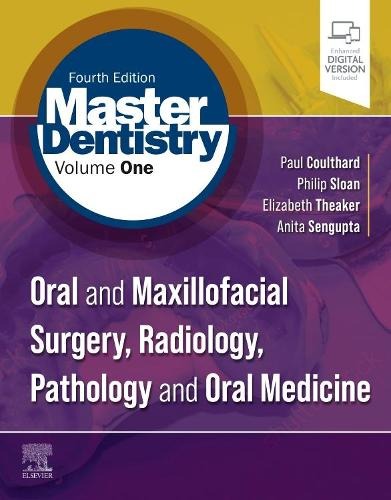
Master Dentistry ; Vol.1 : Oral and Maxillofacial Surgery, Radiology, Pathology and Oral Medicine
Provides a comprehensive overview of the oral and maxillofacial subjects in dentistry that students will need in order to pass their final exams. This invaluable adjunct to exam preparation provides a practical synthesis of core information, reflecting real-life case scenarios. Information is structured to enhance understanding and clinical decision making, and a variety of self-assessment methods prepare students for success. Comprehensively updated, the book covers a range of essential topics in the field of contemporary oral and maxillofacial subjects, including surgical flap design, state-of-the-art surgical techniques, zygomatic implants, molecular pathology, current imaging applications and pain management. The text is integrated and evidence based throughout. Covers oral and maxillofacial surgery, radiology, pathology and oral medicine subjects Brand new chapter on facial skin broadens diagnostic ability Range of self-assessment tasks to support learning Aligns to dental school curricula globally Concise and easy to follow Designed to support recall for examination purposes Practical guidance on examination preparation and skills Perfect for BDS exam preparation and candidates taking the MFDS, MJDF, ORE or other post-graduate exams
Marketing effectiveness and accountability in SMEs : A multimethodological approach
Sheds light on marketing effectiveness and accountability marketing in small and medium-sized enterprises (SMEs). Using a multi-method investigation, it includes a knowledge inquiry of marketing knowledge and customer knowledge, a qualitative inquiry utilizing semi structured interviews and thematic data analysis, a quantitative analysis utilizing survey and structural equations modelling, and a case study that employs both narrative (storytelling) data analysis and an accountability audit with a techno marketing SME.

Marine resource damage assessment : Liability and compensation for environmental damage
MARE-DASM research focused on: (i) the estimation and distribution of marine contaminants in order to assess their long term effects (ecotoxicology); (ii) the integration of these result into a Biological Effects SubModel and a mathematical model assessing the risks associated with accidental spillage of oil at sea and the damage this can cause (modelling); (iii) the assessment of the willingness to pay for ecological damage, based on the Contingent Valuation Method (economics); (iv) the development and evaluation of measures to be taken in order to guarantee a sustainable use of the Belgian part of the North Sea, taking into account the economic and social interests and values (social economics); (v) the potential to develop technical and legal procedures that allow ecological damage to the marine environment to be evaluated and compensated, taking into account constraints in national and international liability legislation (legal).
Marine Biodiversity : Patterns and Processes, Assessment, Threats, Management and Conservation
Understanding the functioning of Marine Ecosystems is the first step to measure and predict the influence of Man, and to find solutions for the enormous array of problems we face today. This volume is organised according to the four subthemes of the symposium and to issues commonly perceived as relevant by scientists concerned with the study, protection and management of Marine Biodiversity: patterns and processes, assessment, threats and management and conservation.

MARE-WINT : New Materials and Reliability in Offshore Wind Turbine Technology
This book provides a holistic, interdisciplinary overview of offshore wind energy, and is a must-read for advanced researchers. Topics, from the design and analysis of future turbines, to the decommissioning of wind farms, are covered. The scope of the work ranges from analytical, numerical and experimental advancements in structural and fluid mechanics, to novel developments in risk, safety & reliability engineering for offshore wind. The core objective of the current work is to make offshore wind energy more competitive, by improving the reliability, and operations and maintenance (O&M) strategies of wind turbines.
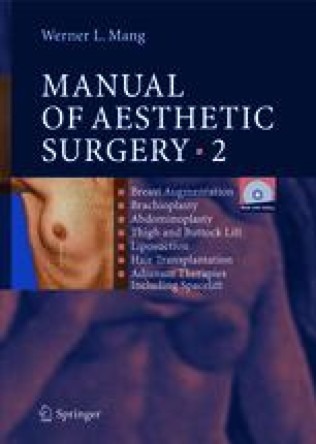
Manual of Aesthetic Surgery 2 : Breast Augmentation ; Brachioplasty ; Abdominoplasty ; Thigh and Buttock Lift ; Liposuction ; Hair Transplantation ; Adjuvant Therapies including Space Lift
Focuses on operative procedures in aesthetic plastic surgery. This manual displays techniques with instructive drawings and pre- and post-operative photographs.
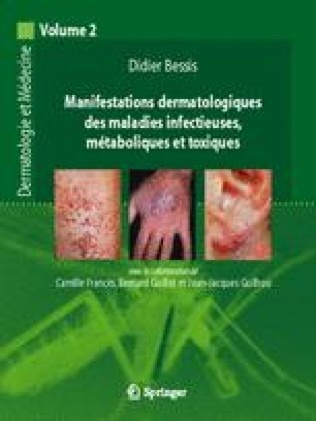
Manifestations dermatologiques des maladies infectieuses, métaboliques et toxiques: Dermatologie et médecine ; Vol.2 = Dermatological manifestations of infectious, metabolic and toxic diseases : Dermatology and medicine ; Vol.2
Deals with the skin and mucous membrane manifestations observed during infectious, metabolic and toxic diseases. It is intended not only for dermatologists and internists, but also for healthcare professionals concerned with infectious, metabolic and toxic diseases.
Mandibular Implant Prostheses
Combines up-to-date clinical and research information that will help clinicians to advance their theoretical and clinical knowledge on mandibular implant overdentures. Furthermore, it describes treatment considerations for geriatric populations, covering all relevant aspects from physiology to treatment planning and patient management in the surgical and prosthetic phases.
Managing Risk and Information Security : Protect to Enable
Examine the evolving enterprise security landscape and discover how to manage and survive risk. While based primarily on the author’s experience and insights at major companies where he has served as CISO and CSPO, the book also includes many examples from other well-known companies and provides guidance for a management-level audience. Managing Risk and Information Security provides thought leadership in the increasingly important area of enterprise information risk and security. It describes the changing risk environment and why a fresh approach to information security is needed. Because almost every aspect of an enterprise is now dependent on technology not only for internal operations but increasing as a part of product or service creation, the focus of IT security must shift from locking down assets to enabling the business while managing and surviving risk. This edition discusses business risk from a broader perspective, including privacy and regulatory considerations. It describes the increasing number of threats and vulnerabilities and offers strategies for developing solutions. These include discussions of how enterprises can take advantage of new and emerging technologies—such as social media and the huge proliferation of Internet-enabled devices—while minimizing risk.
Management of the Addicted Patient in Primary Care
لThe text is logically organized and key information is easily accessible. The introductory section offers the reader important background and rationale for evaluating and treating addiction in primary care. Following a useful presentation of addiction "basics" (i.e., definitions, neurobiology, genetics, and the disease model), the majority of the book focuses on helping the physician gain insight and develop practical skills that can be readily implemented. A wealth of clinical assessment tools is provided, and the underlying psychosocial processes common to all forms of addiction are discussed. Both pharmacologic interventions and nonpharmalogic modalities are clearly outlined. Of particular note are specific cognitive-behavioral and motivational strategies that can be administered in an office-based setting. The role of community-based recovery support systems is considered as well. Since a complete understanding of why and when to refer is critical to the management of this often life-threatening condition, criteria for referral are detailed. Bulleted clinical "pearls" further aid the reader in gaining insight into treating this difficult patient population.

Management of Intentional and Accidental Water Pollution
The goals of the workshop included a discussion of the state of the science in identification of new research and approaches for water pollution events and communication of the management of water pollution and sustainability of water resources. Critical to management of accidental and intentional pollution events is the assessment of the risk, an understanding of the hazards and lessons learned from events which may lead to preventative management and control strategies. Public health protection will ultimately be improved by the ability to develop management frameworks which are flexible and adaptable to the specific region, country or watershed problems and concerns and allow for prioritization in the decision making. The integration of scientific information regarding the types of hazards the environmental fate of the chemical/biological, exposure pathways and human and ecosystem impacts may be implemented from both a qualitative or descriptive approach or using a more classical quantitative risk assessment paradigm. Thus the frameworks for assessing the risk and managing the risk may be seen as preventive, early warning and responsive.
